How to Choose the Best Mini Excavator in 2025: A Complete Buyer's Guide
The global demand for compact construction equipment continues to grow as contractors, landscapers, farmers, and property owners seek machines that offer efficiency, versatility, and affordability. Among the most searched equipment categories today, mini excavators remain one of the most popular choices due to their ability to perform a wide range of tasks while operating in confined spaces.
However, with so many options available on the market, choosing the right machine can be challenging. Whether you're purchasing your first compact excavator or upgrading your existing fleet, understanding the key specifications and features is essential.
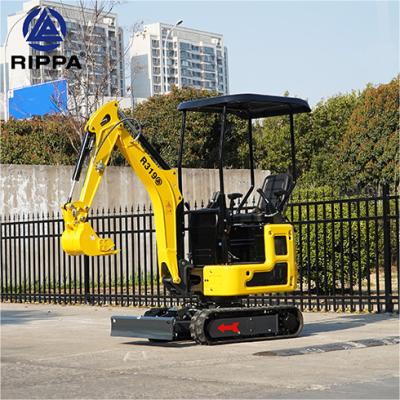
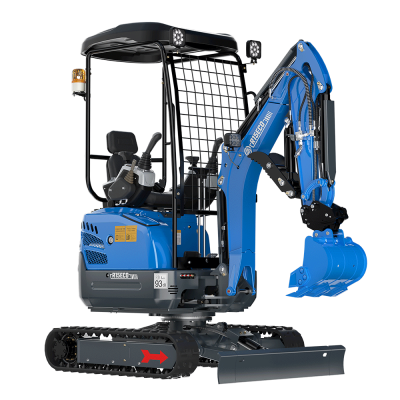
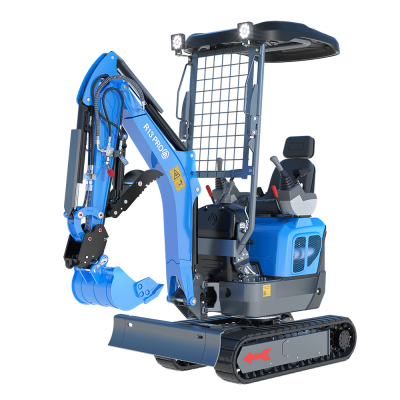
In this guide, we'll explain what to look for when buying a mini excavator and why the Rippa Mini Excavator has become a trusted choice for customers worldwide.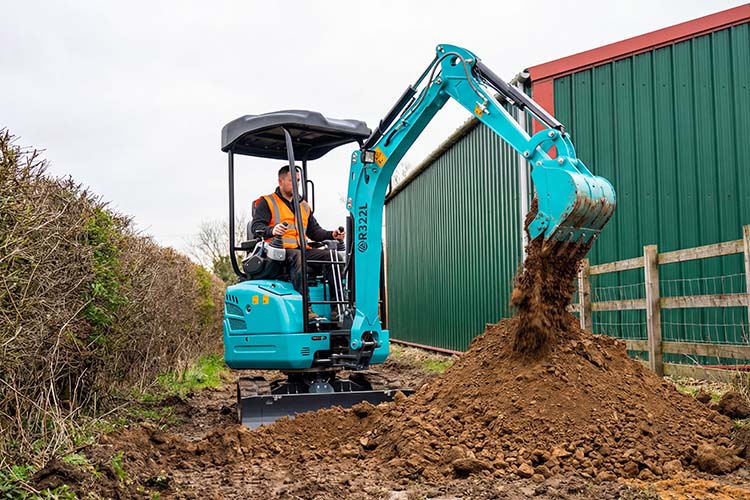
Why Mini Excavators Are More Popular Than Ever
Mini excavators have transformed the construction and agricultural industries by providing professional digging performance in a compact package.
Unlike larger excavators, mini excavators offer:
Lower purchase costs
Reduced fuel consumption
Easier transportation
Better maneuverability
Lower maintenance expenses
Greater flexibility for multiple job types
These advantages make them ideal for homeowners, landscaping companies, utility contractors, municipalities, farms, and small construction businesses.
As labor costs continue to rise globally, investing in a reliable Rippa Mini Excavator can significantly improve productivity while reducing dependence on manual labor.
Step 1: Choose the Right Operating Weight
The first factor buyers should consider is machine size and operating weight.
Mini excavators are generally categorized as:
1-Ton Class
Ideal for:
Backyard projects
Small landscaping jobs
Residential trenching
Narrow access areas
Typical operating weight:
Approximately 1,115.5 kg (2,459 lb)
2-Ton Class
Suitable for:
Farm maintenance
Utility installation
Light construction
Property development
Typical operating weight:
Approximately 1,711 kg (3,772 lb)
2–3 Ton Class
Best for:
Commercial landscaping
Infrastructure projects
Land clearing
Heavy-duty excavation
Typical operating weight:
Up to 2,017.5 kg (4,448 lb)
A Rippa Mini Excavator lineup offers options across these categories, allowing buyers to select the right machine for their workload and budget.
Step 2: Evaluate Digging Performance
Many buyers focus only on machine size, but digging performance is equally important.
Before purchasing, compare:
Maximum digging depth
Maximum digging radius
Maximum dumping height
Maximum digging height
For example, some Rippa models provide:
Digging depth up to 2,525 mm (99.4 in)
Digging radius up to 4,143 mm (163.1 in)
Digging height up to 3,635 mm (143.1 in)
These specifications determine how efficiently the excavator can handle trenching, foundation work, drainage installation, and land development projects.
If your projects require deeper excavation, selecting a machine with greater digging capacity can significantly improve productivity.
Step 3: Consider Engine Reliability
The engine is the heart of every excavator.
Many experienced contractors prioritize machines powered by Kubota diesel engines, which are widely recognized for:
Fuel efficiency
Durability
Global parts availability
Low maintenance requirements
Long service life
Several Rippa Mini Excavator models feature Kubota D722 and D902 engines, delivering output ranging from 13.7 HP to 33.5 HP.
For buyers planning to use their machine regularly, engine quality should never be compromised.
Step 4: Examine the Hydraulic System
A mini excavator's hydraulic system directly affects operating performance.
High-quality hydraulic components provide:
Faster cycle times
More precise control
Improved attachment performance
Greater operator comfort
Premium Rippa excavators incorporate:
Multi-way hydraulic control valves
Pilot control systems
Imported hydraulic cylinders
Advanced hydraulic pumps
Responsive control functions
These features help operators achieve greater efficiency in both excavation and attachment-based applications.
Step 5: Check Attachment Compatibility
One of the greatest advantages of owning a mini excavator is versatility.
The best machines support a variety of attachments, allowing operators to perform multiple tasks with one investment.
Common attachments include:
Hydraulic Breaker
Perfect for:
Concrete demolition
Rock breaking
Renovation projects
Auger
Ideal for:
Fence installation
Tree planting
Utility pole placement
Wood Grapple
Excellent for:
Forestry work
Storm cleanup
Material handling
Tilt Bucket
Useful for:
Grading
Ditch shaping
Drainage projects
A versatile Rippa Mini Excavator can quickly switch between attachments, increasing jobsite productivity and maximizing return on investment.
Step 6: Consider Transport and Access Requirements
Not every jobsite offers easy access.
Residential projects, orchards, and urban construction areas often have narrow gates and restricted workspaces.
Compact dimensions are therefore extremely important.
Selected Rippa excavators feature:
Transport widths as narrow as 903 mm (35.6 in)
Compact transport lengths beginning at 2,291 mm (90.3 in)
Easy trailer transportation
These dimensions allow operators to access areas that larger equipment simply cannot reach.
Step 7: Focus on Operator Comfort
A productive operator is a comfortable operator.
Modern buyers increasingly prioritize features that improve daily usability.
Popular comfort features include:
Adjustable seating
Pilot controls
Electronic throttle systems
Storage compartments
Air-conditioned cabins
Low-vibration operation
These features help reduce fatigue during long working hours and contribute to higher jobsite productivity.
Why More Buyers Are Choosing Rippa Mini Excavator
The mini excavator market has become increasingly competitive, yet many customers continue to choose the Rippa Mini Excavator because of its combination of performance, reliability, and value.
Key advantages include:
Trusted Kubota engine options
Tier 4 Final and Stage V compliance
Advanced hydraulic technology
Compact and versatile design
Excellent attachment compatibility
Competitive ownership costs
Strong global dealer support
For both first-time buyers and experienced contractors, these benefits make Rippa a compelling option in today's compact equipment market.
Common Questions Before Buying a Mini Excavator
What size mini excavator do I need?
The answer depends on your primary applications. Residential landscaping projects may only require a 1-ton machine, while farm operations and commercial construction often benefit from a larger 2–3 ton excavator.
Is a mini excavator worth the investment?
For businesses that regularly perform digging, trenching, grading, or land clearing, a mini excavator can significantly reduce labor costs and increase productivity.
Which engine brand is best?
Kubota remains one of the most respected diesel engine manufacturers in the compact equipment industry due to its reliability and fuel efficiency.
Final Thoughts
Choosing the best compact excavator requires careful evaluation of machine size, digging performance, engine quality, hydraulic efficiency, attachment compatibility, and operating comfort.
The Rippa Mini Excavator lineup offers solutions for a wide range of industries, including construction, landscaping, agriculture, utility installation, and property maintenance. With operating weights ranging from approximately 1.1 to 2 tons, digging depths up to 2,525 mm, and trusted Kubota engine options, Rippa machines provide the performance modern operators demand.
Whether you're looking for a mini excavator for sale, comparing compact equipment brands, or planning your next equipment investment, a Rippa Mini Excavator delivers the versatility, reliability, and long-term value needed to help your business succeed in 2025 and beyond.