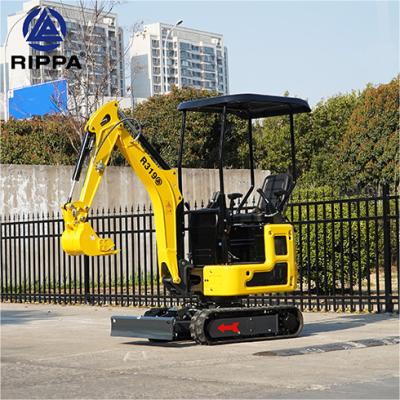
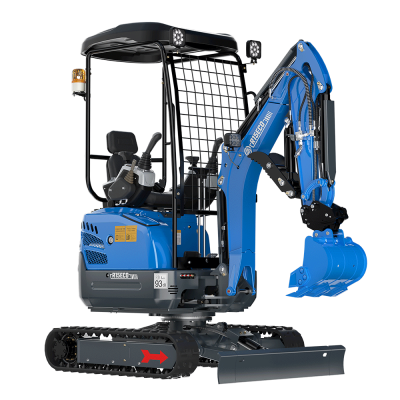
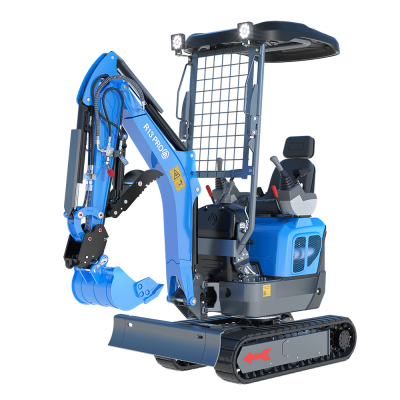
How to Choose Between a 2 Ton, 3 Ton and 4 Ton RIPPA Excavator
Choosing the right mini excavator is one of the most important decisions for contractors, landscapers, farmers, and equipment buyers. The machine size you select directly affects productivity, transportation, operating costs, and the types of projects you can complete.
Among compact construction equipment, 2 ton, 3 ton, and 4 ton excavators are some of the most popular choices because they provide an excellent balance between mobility and working capability.
For businesses comparing different options such as a RIPPA 2 ton mini excavator, RIPPA 3 ton excavator, or RIPPA 4 ton excavator, understanding the differences between these categories can help you make a better investment decision.
This guide explains how to choose the right RIPPA excavator size based on applications, working environments, and business requirements.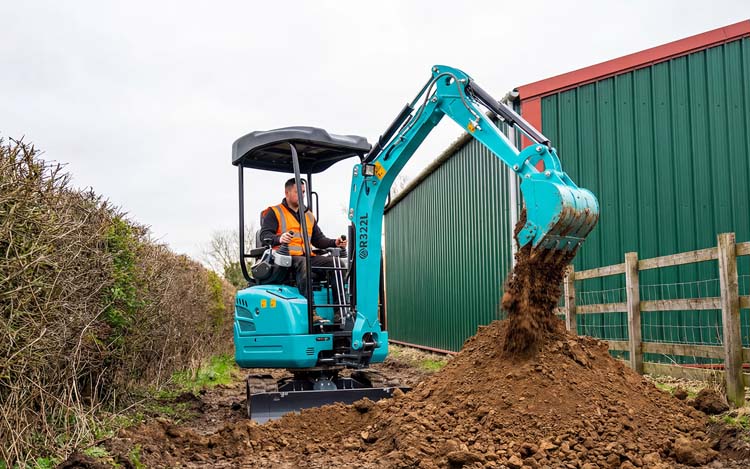
Why Excavator Size Matters
Mini excavators are available in different weight classes because every project has unique requirements.
A smaller machine may provide better access and easier transportation, while a larger excavator can deliver higher productivity for demanding applications.
When choosing between different RIPPA excavator models, consider:
Type of work
Job site size
Digging requirements
Transportation methods
Attachment needs
Future business expansion
The goal is not simply choosing the largest machine, but selecting the excavator that delivers the best efficiency for your typical projects.
2 Ton RIPPA Mini Excavator: Compact and Versatile
A RIPPA 2 ton mini excavator is an excellent choice for contractors who need a flexible machine for everyday tasks.
Its compact design makes it suitable for projects where access and transportation are important.
Common Applications
A 2 ton excavator is commonly used for:
Residential landscaping
Small construction projects
Utility installation
Garden renovation
Drainage work
Farm maintenance
For contractors working in residential areas or narrow spaces, this size offers excellent maneuverability.
Advantages of a 2 Ton Excavator
The main benefits include:
Easy Transportation
Compact excavators are easier to move between job sites, reducing transportation challenges.
Excellent Maneuverability
A smaller footprint allows operators to work efficiently around buildings, fences, trees, and existing structures.
Lower Operating Requirements
Smaller machines are often suitable for businesses entering the construction equipment market because they provide versatility without requiring large-scale operations.
2.5 Ton RIPPA Excavator: Balanced Performance
A RIPPA 2.5 ton excavator provides a middle ground between compact mobility and increased working capability.
This category is popular among users who need more performance than a small excavator while maintaining transportation flexibility.
Suitable Applications
Typical projects include:
Commercial landscaping
Property development
Pipeline installation
Agricultural improvement
Roadside maintenance
The 2.5 ton class is ideal for businesses that handle different types of projects throughout the year.
3 Ton RIPPA Excavator: A Popular Contractor Choice
The RIPPA 3 ton excavator is one of the most versatile options for professional contractors.
It provides additional stability and productivity while remaining compact enough for many job sites.
Common Uses
A 3 ton mini excavator is frequently used for:
Construction preparation
Foundation work
Trenching
Utility projects
Commercial landscaping
Earthmoving tasks
Many contractors choose this size because it offers a strong balance between transportation convenience and job site performance.
Why Choose a 3 Ton Excavator?
A 3 ton excavator is suitable for businesses that:
Complete projects regularly
Need more productivity than smaller machines
Work across different industries
Require attachment flexibility
It can serve as a reliable primary machine for small and medium contractors.
3.5 Ton RIPPA Excavator: More Capability for Growing Businesses
A RIPPA 3.5 ton excavator is designed for users who require stronger performance while still preferring compact equipment.
It is commonly selected by:
Construction companies
Landscaping contractors
Rental companies
Agricultural businesses
Typical Applications
Projects include:
Larger excavation work
Site preparation
Infrastructure support
Commercial construction
Material handling
For growing businesses, this size offers additional capability without moving into larger equipment categories.
4 Ton RIPPA Excavator: Maximum Productivity in Compact Class
A RIPPA 4 ton excavator is designed for customers who need increased working capability while maintaining the advantages of compact machinery.
Ideal Applications
A 4 ton excavator is suitable for:
Professional construction projects
Heavy landscaping
Utility infrastructure
Commercial development
Earthmoving operations
Compared with smaller models, larger compact excavators provide additional stability and productivity for demanding tasks.
2 Ton vs 3 Ton vs 4 Ton Excavator Comparison
Choose a 2 Ton Excavator If You Need:
Maximum flexibility
Easy transportation
Residential project capability
Landscaping performance
Operation in limited spaces
Choose a 3 Ton Excavator If You Need:
A balance between size and productivity
Regular contractor work
More digging capability
Multi-industry applications
Choose a 4 Ton Excavator If You Need:
Higher productivity
Larger construction applications
Increased stability
More demanding excavation tasks
How Attachments Affect Your Choice
The right attachment can significantly expand excavator capability.
Common attachments include:
Buckets
Used for digging, loading, and general excavation.
Hydraulic Breakers
Suitable for concrete, rock, and demolition-related work.
Augers
Useful for drilling holes in landscaping, agriculture, and construction.
Grapples
Helpful for handling logs, stones, and materials.
Grading Attachments
Used for leveling and finishing surfaces.
Before purchasing, consider which attachments your business will use most frequently.
Factors to Consider Before Buying a RIPPA Excavator
Working Environment
A residential project may require a smaller machine, while commercial construction may benefit from a larger model.
Transportation
Consider how frequently the machine needs to move between locations.
Job Frequency
Businesses with daily excavation requirements may benefit from investing in a larger and more versatile machine.
Future Expansion
Choosing equipment that supports future projects can improve long-term value.
Why Choose RIPPA Mini Excavators?
RIPPA offers a wide range of compact excavators designed for different industries and applications.
Customers choose RIPPA because of:
Wide model selection
Flexible equipment options
Practical design
Multiple attachment compatibility
Global market experience
Support for dealers and contractors
From compact machines for small projects to larger models for professional applications, RIPPA provides solutions for different customer needs.
Conclusion
Selecting between a RIPPA 2 ton mini excavator, 3 ton excavator, or 4 ton excavator depends on your specific workload, working environment, and business goals.
A 2 ton machine offers excellent flexibility, a 3 ton excavator provides a balanced solution for professional contractors, and a 4 ton excavator delivers higher productivity for more demanding projects.
By understanding your typical applications and future requirements, you can choose the excavator size that provides the best return on investment.
FAQ
Is a 2 ton excavator enough for construction work?
Yes. A 2 ton excavator can handle many residential, landscaping, utility, and small construction projects.
What is the most popular mini excavator size?
The 2 ton to 3 ton class is widely preferred because it provides a good balance between mobility and performance.
Should I buy a 3 ton or 4 ton excavator?
A 3 ton excavator is suitable for general contractor work, while a 4 ton excavator is better for users requiring higher productivity and larger applications.
Are RIPPA excavators suitable for farming?
Yes. RIPPA mini excavators are commonly used for drainage, land preparation, fencing, and general farm maintenance.
How do I choose the best RIPPA excavator?
Evaluate your project types, job site conditions, transportation needs, attachment requirements, and future business plans before selecting a model.