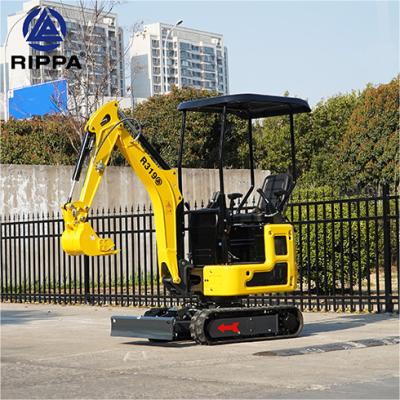
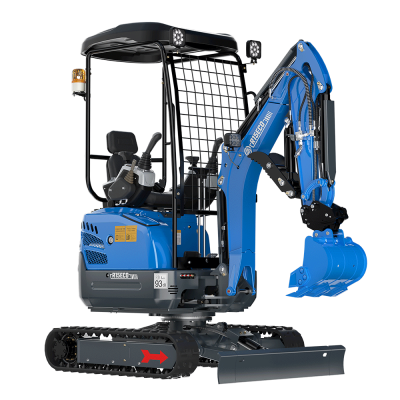
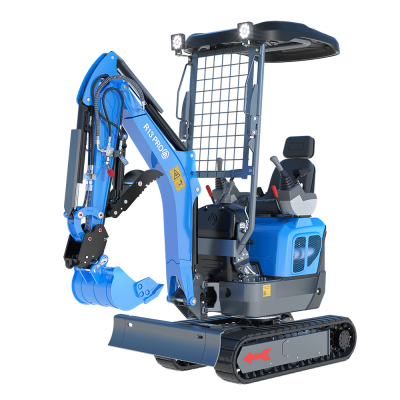
RIPPA R319 Mini Excavator: Best Applications and Buying Guide
As demand for compact construction equipment continues to grow, one model has attracted increasing attention among contractors, landscapers, farmers, and equipment dealers—the RIPPA R319 Mini Excavator. Designed for versatility and ease of operation, the R319 is suitable for a wide range of light- to medium-duty tasks while maintaining the maneuverability expected from a compact excavator.
Whether you are purchasing your first compact excavator or expanding an existing fleet, understanding where the R319 performs best can help you choose equipment that matches your business needs. This guide explains the applications, advantages, and buying considerations of the RIPPA R319, along with practical tips for maximizing productivity.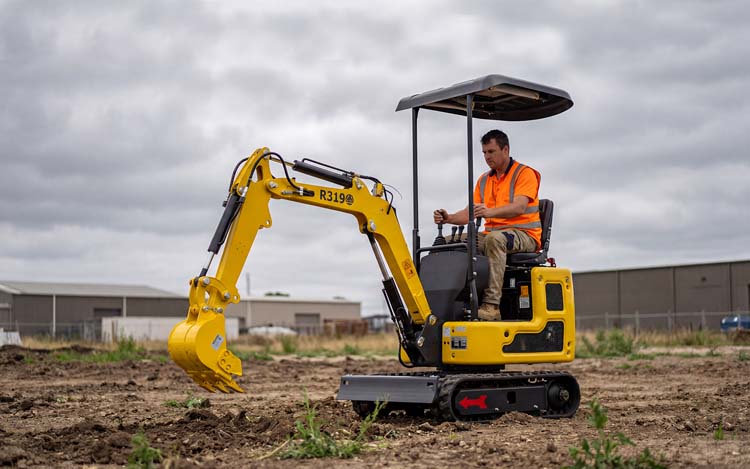
Why the RIPPA R319 Stands Out
Compact excavators have become indispensable on modern job sites where limited space and transportation flexibility are important. The RIPPA R319 has earned recognition because it combines compact dimensions with dependable performance, making it suitable for both experienced operators and first-time buyers.
Unlike larger construction machines that require more space and specialized transportation, the R319 is designed to access narrow work areas while remaining easy to move between job sites. This flexibility allows contractors to complete more projects with fewer logistical challenges.
Key advantages include:
Compact design for confined workspaces
Easy transportation between locations
Excellent maneuverability
Compatibility with various attachments
Suitable for residential and commercial applications
Reliable performance for daily operation
These characteristics make the R319 a practical solution for businesses seeking productivity without sacrificing flexibility.
Best Applications for the RIPPA R319
One of the greatest strengths of the RIPPA R319 is its ability to handle a wide variety of projects. Rather than being limited to a single industry, it adapts well to multiple working environments.
Residential Construction
Residential building projects often require excavation in areas where larger machines cannot operate efficiently. The R319 is commonly used for:
Foundation preparation
Utility trenching
Drainage installation
Small demolition projects
Property renovation
Its compact footprint allows operators to work around existing buildings with minimal disruption.
Landscaping Projects
Professional landscapers frequently use compact excavators because they reduce manual labor while improving productivity.
Typical landscaping tasks include:
Tree planting
Garden redesign
Rock placement
Pond excavation
Retaining wall preparation
Irrigation system installation
The machine's maneuverability helps protect surrounding lawns and finished landscapes.
Agricultural Operations
Modern farms increasingly depend on compact equipment for year-round maintenance.
The R319 can assist with:
Ditch cleaning
Fence installation
Drainage improvements
Land preparation
Material movement
Small excavation work
Its versatility makes it a valuable addition to farms of different sizes.
Municipal and Utility Work
Municipal contractors often operate in busy urban environments where compact machinery provides significant advantages.
Common applications include:
Sidewalk repairs
Water line maintenance
Cable installation
Sewer projects
Public park improvements
Working efficiently in confined areas helps reduce project interruptions and improve safety.
Choosing the Right Attachments
The versatility of the RIPPA R319 can be expanded through compatible attachments. Selecting the proper attachment allows one machine to complete multiple tasks throughout the year.
Popular attachment options include:
Hydraulic Breakers
Ideal for breaking concrete, asphalt, and other hard materials during renovation or utility projects.
Augers
Suitable for drilling holes used in fencing, landscaping, and foundation work.
Grading Buckets
Designed for finishing work, leveling surfaces, and site preparation.
Grapples
Useful for handling logs, rocks, construction debris, and other irregular materials.
Rippers
Effective for loosening compacted soil before excavation begins.
Using appropriate attachments improves efficiency while reducing the need for additional equipment.
Benefits for Equipment Dealers
The RIPPA R319 is also attractive to equipment dealers because it addresses the needs of multiple customer groups.
Potential buyers include:
Construction contractors
Landscape companies
Farmers
Equipment rental businesses
Municipal contractors
Property maintenance companies
Its broad application range allows dealers to market the machine across several industries rather than relying on a single customer segment.
Maintenance Tips for Long-Term Performance
Regular maintenance helps ensure consistent operation and extends equipment life.
Operators should establish a routine that includes:
Inspecting hydraulic hoses and fittings
Checking engine fluids before operation
Cleaning the machine after demanding jobs
Lubricating moving components
Monitoring bucket teeth and wear parts
Replacing filters according to maintenance schedules
Preventive maintenance minimizes downtime and helps maintain productivity throughout the year.
Buying Tips Before Choosing the R319
Before investing in a compact excavator, buyers should evaluate several practical considerations.
Consider Your Primary Work
Think about the projects you complete most often. Residential work, landscaping, agriculture, and municipal maintenance may require different attachments and configurations.
Plan for Future Growth
Choose equipment that supports both your current workload and expected business expansion.
Evaluate Attachment Requirements
A machine compatible with multiple attachments provides greater flexibility and improves return on investment.
Compare Dealer Support
Reliable parts availability, technical assistance, and after-sales service are important factors when selecting construction equipment.
Why Businesses Continue Choosing RIPPA
Businesses invest in equipment that helps them complete projects efficiently while maintaining dependable operation over time.
RIPPA continues expanding its presence in international markets by offering equipment designed for practical applications across construction, agriculture, landscaping, and municipal maintenance.
For contractors seeking a compact excavator capable of handling diverse workloads, the R319 represents a versatile option suitable for both established companies and growing businesses.
Conclusion
The RIPPA R319 Mini Excavator combines compact size, versatility, and practical functionality to meet the needs of today's construction professionals. From residential building projects to landscaping, agriculture, and municipal maintenance, it delivers the flexibility required for a wide variety of tasks.
When paired with the right attachments and supported by regular maintenance, the R319 can become an essential machine for businesses looking to improve productivity and adapt to changing project requirements.
Exploring the RIPPA product range and consulting with an authorized dealer can help ensure you select the right compact excavator for your specific applications.
Frequently Asked Questions
What types of projects is the RIPPA R319 suitable for?
The RIPPA R319 is commonly used for residential construction, landscaping, agriculture, municipal maintenance, utility installation, and property development.
Can the R319 operate in confined spaces?
Yes. Its compact design allows operators to work efficiently in areas where larger excavators may not have sufficient access.
What attachments can be used with the RIPPA R319?
Depending on the application, operators may use hydraulic breakers, augers, grading buckets, grapples, rippers, and other compatible attachments.
Is the RIPPA R319 suitable for equipment rental businesses?
Yes. Because of its versatility and ease of operation, the R319 is a practical choice for equipment rental fleets serving a wide variety of customers.
How can I choose the right RIPPA mini excavator?
Consider your project requirements, job site conditions, transportation needs, attachment compatibility, and long-term business plans before making a purchasing decision.