How to Choose the Right Construction Equipment Dealer for Your Business
Choosing a construction equipment dealer is an important decision for contractors, agricultural businesses, landscaping companies, and equipment buyers. A dealer is not simply a place to purchase machinery. The right business partner can help buyers compare equipment, understand product applications, obtain replacement parts, and manage future service requirements.
However, not every dealer offers the same product range, manufacturer relationships, or level of support. Before placing an order, business buyers should evaluate several factors to determine whether a dealer can meet both their immediate purchasing needs and long-term equipment requirements.
1. Check the Dealer's Product Range
A professional construction equipment dealer should have a clear understanding of the machinery categories it supplies.
Depending on the dealer's business focus, its product range may include:
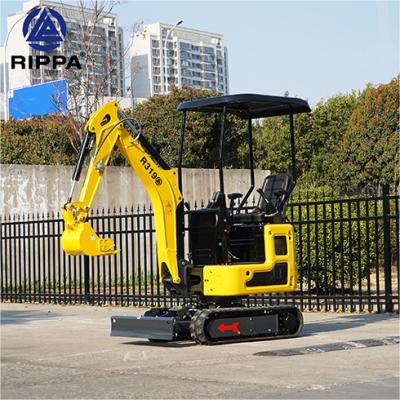
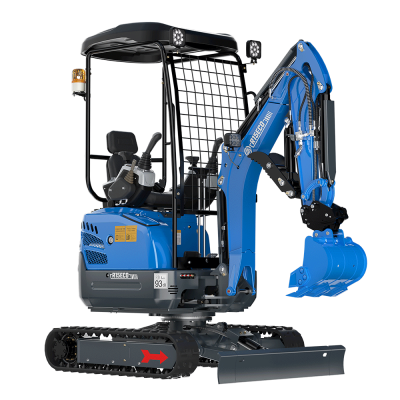
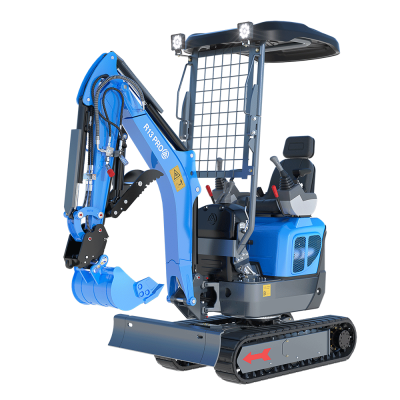
Mini and compact excavators
Medium and large excavators
Skid steer loaders
Wheel loaders
Backhoe loaders
Forklifts and material-handling equipment
A broader product portfolio can help buyers source different equipment categories through one business relationship. However, product variety alone does not prove that a dealer is reliable. Buyers should also check whether the dealer understands the applications, configurations, and operating requirements of the equipment it sells.
For example, a landscaping contractor may need compact machinery for restricted work areas, while a construction company may require equipment for excavation, loading, and site preparation.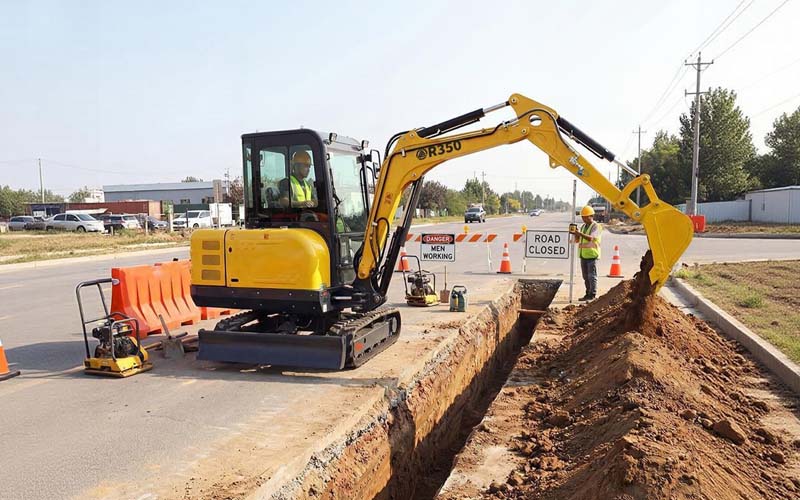
2. Understand the Dealer's Manufacturer Relationships
The relationship between a dealer and its equipment manufacturer can influence product information, purchasing arrangements, and communication.
Before choosing a dealer, ask:
Which manufacturers does the company work with?
Can it provide official product information?
Are product configurations confirmed with the manufacturer?
Can it explain the purchasing and delivery process?
Is the dealer authorized to represent the relevant brand?
A direct and transparent manufacturer relationship can make it easier to confirm product details and resolve questions before an order is placed.
Buyers should avoid relying only on promotional claims. Request official documentation and confirm important cooperation details directly when necessary.
3. Evaluate Parts Availability and Service Capability
Equipment ownership involves more than the initial purchase. Maintenance, replacement parts, and technical assistance can affect how effectively a machine is used over time.
A dealer should be able to explain its parts-ordering process and how customers can request technical assistance.
Consider the following questions:
Does the dealer have a clear parts inquiry process?
Can it identify the correct replacement parts?
Does it provide maintenance information?
Can it coordinate technical questions with the manufacturer?
Does it have access to qualified service personnel?
These questions are particularly important for businesses that depend on machinery for daily operations.
4. Review the Dealer's Business Background
Before making a large purchase, take time to verify the dealer's business identity.
Useful checks include:
Company registration and business address
Official website and contact information
History in the machinery industry
Customer references or documented projects
Physical showroom, warehouse, or service facilities, where applicable
A professional website is helpful, but it should not be the only factor in your decision. Buyers should compare information across multiple sources and confirm the company's actual business activities.
5. Compare Quotations Beyond the Purchase Price
A low quotation does not automatically represent the best purchasing decision.
When comparing equipment dealers, review the full quotation and confirm whether it clearly explains:
Machine model and configuration
Included attachments and accessories
Shipping and delivery arrangements
Payment terms
Warranty conditions
Spare parts and service arrangements
Make sure quotations are based on comparable machine configurations. Otherwise, differences in included equipment or commercial terms may make price comparisons misleading.
6. Ask About Communication Before Ordering
Communication quality is an important part of an equipment purchasing relationship.
A reliable dealer should respond clearly to questions about products, quotations, documentation, and delivery arrangements. Buyers should also know who will handle their inquiries after an order is confirmed.
Before purchasing, test the communication process by requesting product information or a quotation. Pay attention to whether the response addresses your actual requirements rather than relying on generic sales language.
7. Choose a Dealer That Fits Your Business Needs
The right dealer depends on the buyer's business model.
A contractor may prioritize machine availability and service coordination. An agricultural business may focus on equipment suitability for farm work. A machinery importer may place greater importance on wholesale purchasing, export documentation, and long-term manufacturer cooperation.
There is no single dealer structure that fits every buyer. The best approach is to define your purchasing requirements first and then compare dealers against those requirements.
Why Manufacturer Cooperation Matters
For businesses purchasing construction machinery in international markets, the dealer's relationship with the manufacturer deserves particular attention.
RIPPA Group is a construction machinery manufacturer based in Jining, Shandong, China. Its product categories include excavators, loaders, skid steer loaders, and other equipment. Businesses interested in dealership or distribution cooperation can contact RIPPA to discuss product categories, target markets, and applicable cooperation arrangements.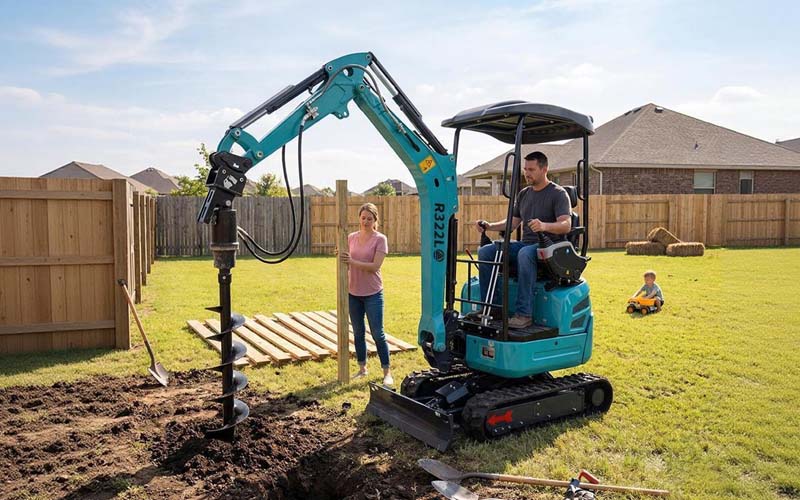
Frequently Asked Questions
What should I look for in a construction equipment dealer?
Check its product range, manufacturer relationships, business background, parts support, service capability, quotation details, and communication process.
Is an authorized equipment dealer better than an independent dealer?
An authorized dealer may have a formal relationship with a manufacturer. Buyers should still verify the authorization and evaluate the dealer's actual service and business capabilities.
Why is parts support important when choosing a dealer?
Replacement parts and maintenance support can influence equipment uptime and long-term ownership costs. Buyers should understand the parts inquiry and supply process before purchasing.
Should I compare multiple equipment dealers?
Yes. Comparing several dealers can help you understand differences in product configurations, commercial terms, delivery arrangements, and support services.
Contact RIPPA for Equipment and Dealer Cooperation
If your company is looking for a construction machinery manufacturer or exploring a new equipment supply relationship, contact RIPPA to discuss product information and potential business cooperation. Share your company background, target market, and equipment interests so the appropriate team can understand your requirements.