How to Evaluate a Construction Equipment Distributor Before Starting a Partnership
Choosing a construction equipment distributor is an important decision for manufacturers that want to develop new markets and for businesses seeking a long-term machinery supply partner.
A distributor may be responsible for introducing products to local customers, developing dealer relationships, coordinating orders, and supporting equipment sales within a defined market. The quality of this partnership can influence brand development and customer experience.
However, a large company or an attractive sales proposal does not automatically make a suitable distribution partner. Both sides should evaluate business capabilities, market knowledge, operational resources, and cooperation expectations before signing an agreement.
1. Verify the Distributor's Business Background
The first step is to understand who the potential distributor actually is.
Manufacturers and suppliers should review:
Registered company name
Business registration information
Official website and contact details
Years of relevant industry experience
Main product categories
Existing customer groups
Current business locations
It is useful to distinguish between a company that actively sells machinery and one that mainly operates as a trading intermediary.
Neither business model is automatically unsuitable, but each may have different strengths and responsibilities. The manufacturer should understand the partner's actual role in the supply chain.
2. Evaluate Local Market Knowledge
A distributor should understand the market in which it plans to operate.
Important questions include:
Which customer groups purchase construction machinery locally?
What equipment categories are in demand?
Which brands are already established?
What are the common purchasing concerns?
Are there regional differences in applications and customer expectations?
What local regulations or import requirements may apply?
A distributor with practical market knowledge can help a manufacturer understand customer expectations and identify realistic opportunities.
Market development should be based on research and actual customer feedback rather than unsupported sales forecasts.
3. Review Sales Channels and Customer Resources
A distributor's sales network can affect how effectively products reach the market.
Potential channels may include:
Independent machinery dealers
Construction equipment retailers
Agricultural machinery businesses
Machinery importers
Direct business-to-business sales
Industry exhibitions and trade events
Online product inquiries
Manufacturers should ask potential distributors to explain how they plan to introduce products and reach customers.
If a distributor already serves contractors, farmers, landscaping companies, or industrial businesses, it may have relevant customer relationships. However, these relationships should be evaluated based on real business activities and not simply on a customer list.
4. Check Storage, Logistics, and Order Management
Construction machinery distribution involves more than marketing and sales.
Depending on the business model, a distributor may need facilities and processes for:
Receiving imported equipment
Managing inventory
Coordinating transportation
Handling customer delivery arrangements
Storing spare parts
Processing orders and documentation
The required resources will differ between a national distributor, a regional dealer, and an import-focused trading company.
Before starting cooperation, both parties should agree on who is responsible for shipping coordination, customs documentation, inventory management, and customer delivery communication.
5. Evaluate Technical and After-Sales Resources
A distributor should have a realistic plan for handling customer questions after equipment is sold.
This does not necessarily mean every distributor must operate a large service center. However, it should understand how technical inquiries, maintenance questions, and parts requests will be handled.
Review whether the potential partner has:
Technically trained personnel
Access to product manuals
A process for identifying replacement parts
Local service resources or service partners
A communication channel with the manufacturer
A method for recording and following up on customer issues
The manufacturer and distributor should clearly define their respective responsibilities before the partnership begins.
6. Discuss Commercial Terms in Detail
Commercial misunderstandings can damage an otherwise promising partnership.
Before signing an agreement, both sides should discuss:
Product Pricing
Clarify quotation methods, payment conditions, and how price updates will be communicated.
Initial Orders
Discuss the proposed first order, product selection, and the business rationale behind the purchasing plan.
Territory
If a territory arrangement is proposed, define its geographical scope and any applicable conditions in writing.
Marketing Responsibilities
Clarify who prepares product materials, manages local promotion, and handles customer inquiries.
Order and Delivery Responsibilities
Establish how orders are confirmed, how delivery arrangements are communicated, and who provides the relevant documentation.
Agreement Duration
Review the agreement period, renewal process, performance expectations, and conditions for ending cooperation.
Every important commitment should be documented. Verbal statements should not replace a written agreement.
7. Assess Financial and Operational Readiness
A distribution partnership may require investment in inventory, marketing, personnel, facilities, and customer support.
A potential distributor should evaluate whether it has the financial and operational resources to fulfill its proposed business plan.
Manufacturers may consider:
The distributor's relevant operating history
Its proposed purchasing plan
Available sales personnel
Storage and logistics arrangements
Marketing resources
Customer support capabilities
The purpose is not to require every partner to operate at the same scale. It is to determine whether the proposed cooperation is realistic for both sides.
8. Start with Clear Objectives and Review Progress
A new distribution relationship should have measurable objectives.
Both parties can agree on practical indicators such as:
Number of qualified business inquiries
Product categories introduced
Dealer or customer development activities
Training participation
Order progress
Parts and technical inquiry handling
Marketing activity
Regular communication helps identify problems early. If market response is different from expectations, both parties can review product selection, pricing, promotional activities, and customer feedback.
9. Avoid Common Distributor Selection Mistakes
Several mistakes can create problems during international cooperation.
Choosing only by proposed order volume: A large forecast does not prove that a distributor has the resources to achieve it.
Ignoring local service capability: Machinery buyers may need assistance after delivery, so support responsibilities should be clear.
Leaving territory conditions undefined: Geographic scope and any exclusivity conditions should be documented.
Using unclear product information: Both parties should rely on current, verified product documentation.
Failing to define communication responsibilities: The agreement should identify who handles orders, technical questions, and customer complaints.
A careful evaluation process helps both sides build a more stable business relationship.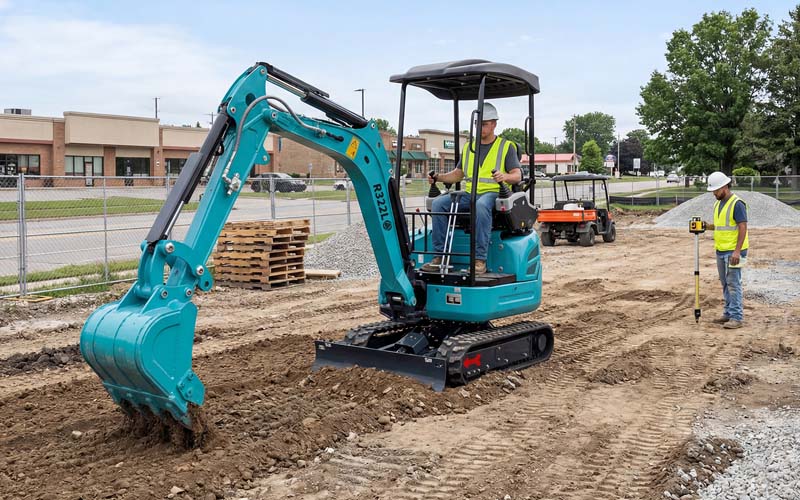
Frequently Asked Questions
What does a construction equipment distributor do?
A distributor helps bring machinery products into a market and may manage wholesale purchasing, regional sales, dealer relationships, logistics coordination, and customer support.
What should a manufacturer check before appointing a distributor?
A manufacturer should review the distributor's business background, local market knowledge, sales channels, financial readiness, operational resources, and after-sales arrangements.
Is an exclusive distribution agreement necessary?
Not every partnership requires exclusivity. If exclusivity is considered, both parties should define the territory, conditions, responsibilities, and performance expectations in a written agreement.
How can a new distributor begin working with a manufacturer?
A potential distributor can introduce its company, target market, existing sales channels, product interests, and proposed cooperation plan. The manufacturer can then evaluate whether the business requirements are compatible.
Discuss Distribution Opportunities with RIPPA
RIPPA Group is a construction machinery manufacturer based in Jining, Shandong, China. Companies interested in distributing RIPPA equipment can introduce their business background, target country or region, existing sales channels, and product interests.
Contact RIPPA to discuss potential cooperation and confirm the applicable product, order, and distribution arrangements.