What Makes a Successful Construction Equipment Dealership?
Starting a construction equipment dealership can be an opportunity for businesses already serving contractors, farmers, landscapers, and other machinery users. However, building a sustainable dealership requires more than obtaining a product catalogue and opening a sales office.
A successful dealership needs the right product portfolio, a clear target market, reliable manufacturer relationships, capable sales personnel, and a practical customer support process. These elements work together to help a business attract customers and develop repeat sales.
For companies considering entry into the construction machinery market, understanding these requirements is an important first step.
1. Start with a Clearly Defined Target Market
A dealership should understand who its potential customers are before deciding which equipment categories to sell.
Common customer groups include:
Construction contractors
Landscaping companies
Agricultural businesses
Property maintenance companies
Infrastructure contractors
Machinery importers and resellers
Industrial and material-handling businesses
Each group has different purchasing priorities. Contractors may focus on productivity and equipment suitability for job sites. Agricultural customers may need machines for land preparation and property maintenance. Importers may prioritize wholesale terms, product documentation, and supply arrangements.
A dealership that understands its local customer base can make better decisions about product selection and sales priorities.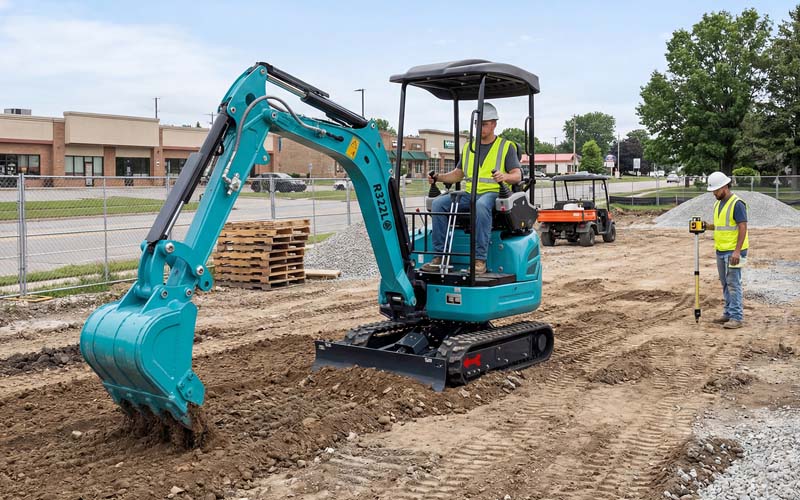
2. Build a Product Portfolio Around Real Demand
Product selection should follow market demand rather than the number of available machine categories.
A construction equipment dealership may consider several product groups:
Excavators
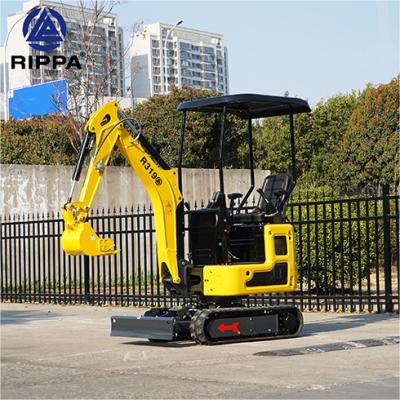
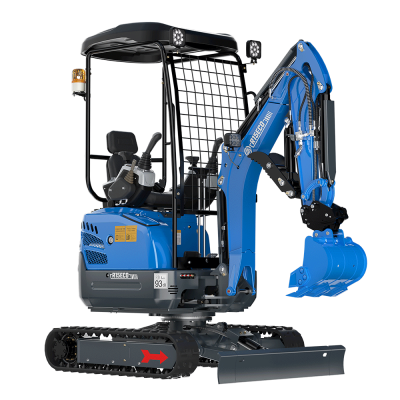
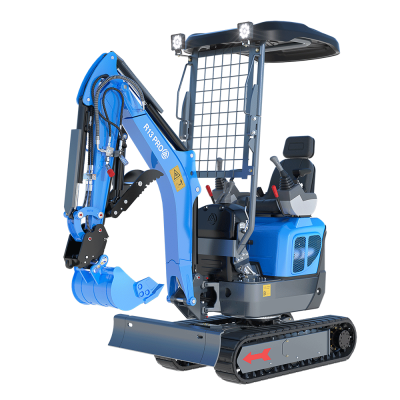
Excavators serve applications such as trenching, foundation preparation, land clearing, and general construction work. Compact excavators may appeal to landscaping businesses, small contractors, and agricultural customers.
Skid Steer Loaders
Skid steer loaders are used for material handling, site preparation, landscaping, and other tasks where maneuverability is important.
Wheel Loaders
Wheel loaders can serve businesses that handle soil, aggregates, materials, and other bulk loads.
Backhoe Loaders and Forklifts
These categories may help a dealership reach customers with different construction, agricultural, and material-handling requirements.
Dealers should evaluate local demand, customer budgets, product availability, and their own ability to support each category before expanding the portfolio.
3. Establish a Reliable Manufacturer Relationship
The manufacturer is one of the most important business relationships in a dealership operation.
Before choosing a supplier, evaluate:
Manufacturing background and product categories
Product documentation and configuration information
Quality management processes
Export and order communication experience
Parts inquiry and technical support procedures
Dealer cooperation policies
A dealership should know where product information comes from and how changes are communicated. This helps its sales team provide accurate information to customers.
It is also important to clarify commercial conditions in writing. Pricing, territory arrangements, order requirements, and support responsibilities should be confirmed rather than assumed.
4. Develop a Professional Sales Process
A structured sales process helps a dealership handle inquiries consistently.
A practical process can include:
Identify the customer's business and intended application.
Understand the required equipment category.
Confirm the operating environment and relevant requirements.
Recommend suitable products based on verified information.
Prepare a clear quotation.
Explain delivery, payment, and after-sales arrangements.
Follow up after the customer receives the quotation.
Sales staff should avoid making unsupported promises about machine performance, delivery dates, or service coverage. Accurate communication helps protect the dealership's reputation.
5. Invest in Product and Sales Knowledge
Customers often ask detailed questions before purchasing construction machinery.
Sales personnel should understand the basic applications of each product category, available configurations, attachment options, operating considerations, and maintenance requirements.
Product training can also help sales teams explain differences between equipment categories without making misleading comparisons.
For example, a customer who needs a machine for restricted access may require a different solution from a contractor working on a large construction site. The salesperson should understand the application before recommending a product.
6. Build a Practical After-Sales Support Process
After-sales support is part of the dealership's long-term business model.
Even if a dealership does not operate its own repair workshop, it should have a clear process for handling customer questions and coordinating technical assistance.
Important elements include:
A contact channel for service inquiries
A process for identifying replacement parts
Access to product manuals and maintenance information
A method for communicating technical issues
Clear responsibilities between the dealer and manufacturer
The exact service arrangement depends on the dealership's resources and its agreement with the manufacturer. These responsibilities should be established before sales begin.
7. Manage Inventory and Cash Flow Carefully
Inventory decisions can affect the financial stability of a dealership.
Instead of purchasing a large number of machines immediately, businesses should study customer demand and plan inventory according to their market position.
Useful considerations include:
Which product categories receive the most inquiries?
Which models are suitable for local customers?
How long might inventory remain unsold?
What storage and handling resources are available?
How will spare parts and accessories be managed?
What purchasing volume can the business reasonably finance?
A measured approach allows a dealership to learn from actual sales before making larger inventory commitments.
8. Build Local Brand Awareness
A dealership needs to help customers discover its products and understand its business.
Useful marketing activities include:
A professional website with clear product categories
Local search visibility
Product demonstrations
Customer project photographs
Social media updates
Industry exhibitions
Email communication with business buyers
Marketing content should answer real customer questions. Clear product information, genuine photographs, and transparent contact details are more useful than exaggerated promotional claims.
9. Measure Dealership Performance
A dealership should regularly review its business performance instead of judging success only by total sales.
Useful indicators include:
Number of qualified inquiries
Inquiry-to-quotation conversion rate
Quotation-to-order conversion rate
Sales by equipment category
Repeat customer rate
Inventory turnover
Parts and service inquiry response
These indicators help identify whether the dealership needs better lead generation, product training, inventory planning, or customer support.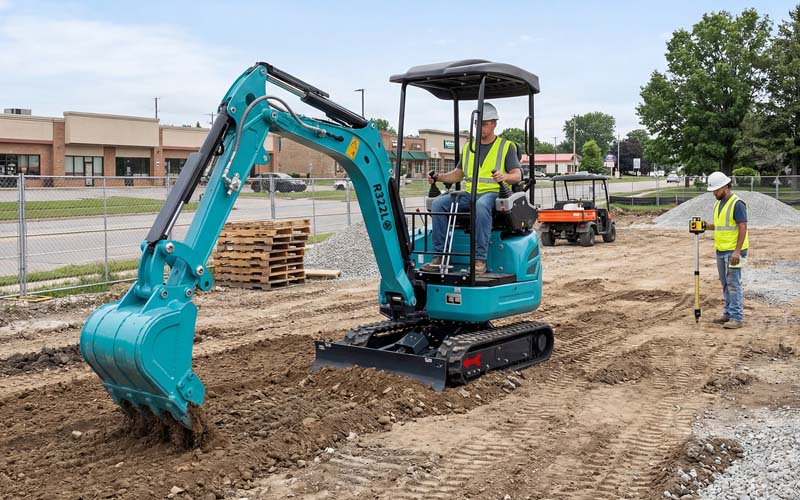
Frequently Asked Questions
Do I need previous machinery sales experience to start a dealership?
Previous experience can be helpful, but businesses should also evaluate their customer network, financial resources, sales capabilities, and ability to provide local support.
Which products should a new construction equipment dealership sell?
Start with categories that match local customer demand and the business's ability to sell and support them. Excavators, loaders, and skid steer loaders are possible categories to evaluate.
How can a dealership find a reliable equipment manufacturer?
Review the manufacturer's business background, product information, communication process, export experience, and written dealer cooperation terms.
Why is after-sales support important for equipment dealers?
Customers need a clear way to obtain maintenance information, replacement parts, and technical assistance. A reliable support process helps build long-term business relationships.
Explore Dealer Cooperation with RIPPA
RIPPA Group manufactures construction machinery in Jining, Shandong, China. Its product categories include excavators, loaders, skid steer loaders, and other equipment.
Businesses interested in expanding their machinery product portfolio can contact RIPPA to discuss their target market, product interests, and potential dealer cooperation. The appropriate commercial terms and support arrangements should be confirmed directly.