How Do I Become an Excavator Dealer?
To become an excavator dealer, select the market segment you want to serve, establish a legal equipment business and apply to manufacturers whose products match local demand. You must then build the sales, inventory, parts and technical-service capabilities required to support customers throughout the ownership cycle.
Decide What Type of Dealer You Want to Be
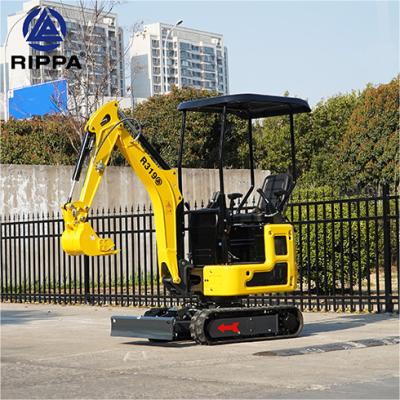
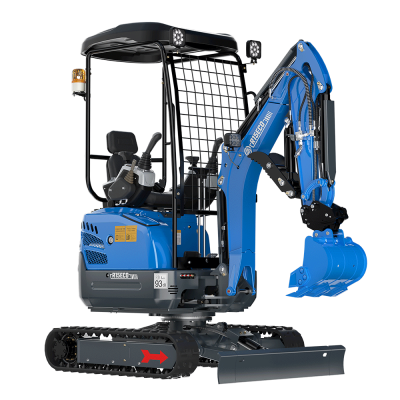
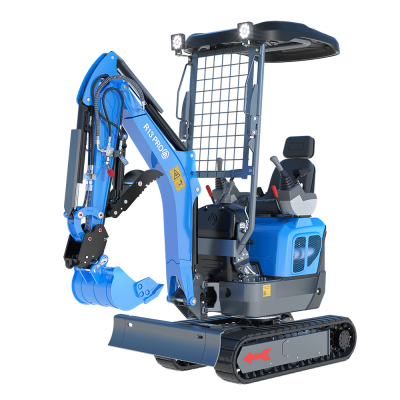
“Excavator dealer” can describe several different business models. You might sell compact machines to landscapers and farms, supply larger equipment to contractors or combine retail sales with rental and maintenance services.
Define your initial focus before contacting manufacturers. A clear proposal should identify your territory, customer types, preferred machine categories, expected sales channels and available service resources. This makes it easier for a manufacturer to evaluate whether the partnership is commercially suitable.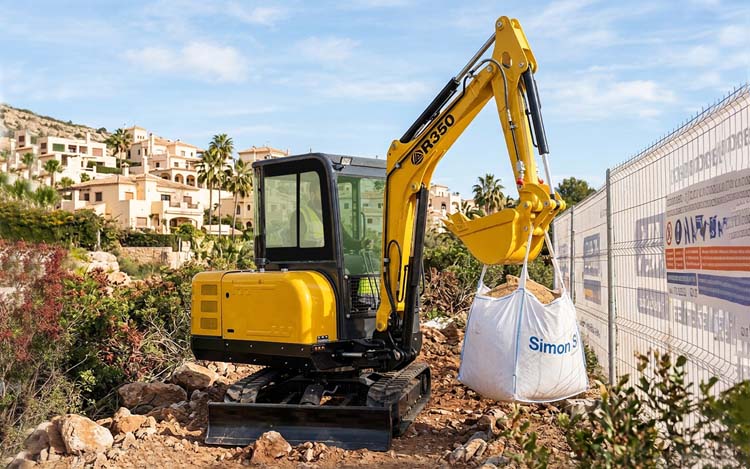
Create a Manufacturer Shortlist
Compare potential suppliers according to overall dealer value instead of factory price alone. Important areas include product consistency, model range, attachment availability, warranty handling, spare-parts supply, training and communication.
Ask each supplier for current product documentation and a written explanation of the dealer program. Discuss whether the territory is exclusive, how sales targets are set and what happens if either party ends the relationship. Any exclusivity promise should be clearly defined in the agreement.
Prepare Your Excavator Dealer Application
Manufacturers may request a company introduction, business licence, market plan and purchasing forecast. Strengthen your application by including evidence of relevant experience, existing facilities and access to construction, agricultural or rental customers.
Your plan should explain:
Which machines you expect to sell
How customers will find your business
How much inventory you can support
Who will provide technical assistance
How parts and warranty cases will be managed
What geographic area you can realistically cover
Avoid making an aggressive forecast only to secure a dealership. A credible plan based on local demand is more valuable than an unrealistic volume commitment.
Establish Operations Before Selling
Develop a landed-cost model covering the equipment price, shipping, duties, insurance, port handling, inspections and local delivery. Confirm applicable emissions, safety and import requirements with qualified local authorities or specialists before ordering.
Prepare pre-delivery inspection procedures and stock essential maintenance components. Salespeople and technicians should receive product training before machines reach customers. This reduces incorrect recommendations and helps the business respond more quickly to early service questions.
Consider a RIPPA Dealership
Businesses interested in becoming a RIPPA excavator dealer can submit their company background, target market, product interests and anticipated purchasing plan. Discussions should cover model selection, logistics, training, marketing materials, parts and after-sales responsibilities.
A dealership becomes sustainable when the supplier provides dependable support and the local partner develops real customer relationships. Start with a manageable territory and inventory plan, measure demand carefully and expand only after the sales and service processes are working reliably.