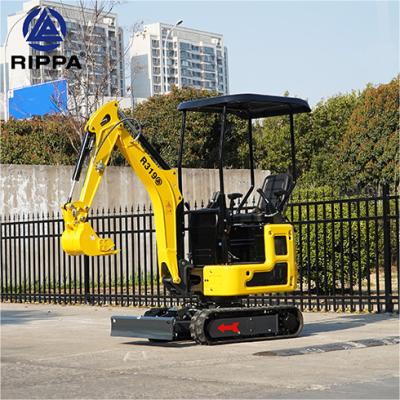
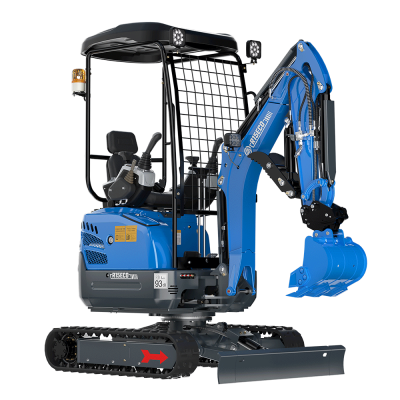
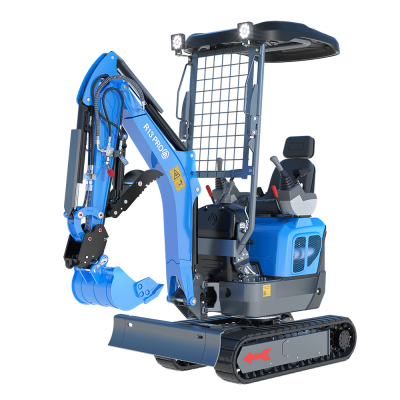
How to Evaluate a Chinese Mini Excavator Manufacturer Before Wholesale Ordering
For equipment dealers, importers, rental companies, and machinery distributors, choosing a Chinese mini excavator manufacturer is not simply a matter of comparing unit prices. A supplier that looks attractive at the quotation stage may create problems later if production capacity, parts support, documentation, communication, or dealer cooperation are not clearly established.
A more practical approach is to evaluate the manufacturer as a long-term business partner.
What Should You Check When Choosing a Chinese Mini Excavator Manufacturer?
A reliable evaluation should cover five areas: manufacturing capability, product range, quality management, export support, and cooperation with distributors.
1. Check Whether the Company Is a Real Manufacturer
The first step is to distinguish a manufacturer from a trading company.
A genuine Chinese mini excavator manufacturer should be able to provide information about its production facilities, engineering team, assembly processes, quality control procedures, and product development.
For international buyers, factory information is particularly important because it helps confirm whether the supplier can support repeat wholesale orders rather than only individual transactions.
RIPPA Group, for example, operates from Jining, Shandong, China, and focuses on engineering machinery manufacturing. Its product portfolio covers mini excavators and other construction equipment, allowing international distributors to source multiple equipment categories from one manufacturer.
2. Look Beyond the Lowest Wholesale Price
Price remains important for dealers, but it should not be the only purchasing criterion.
When comparing Chinese mini excavator manufacturers, consider:
Factory production capability
Equipment configuration
Component sourcing
Quality inspection
Spare parts availability
Export experience
Packaging and shipping support
Technical documentation
After-sales communication
Dealer support
A lower initial quotation does not necessarily mean a lower total operating cost.
For dealers, the more useful question is whether the equipment can be sold, supported, and reordered consistently in the local market.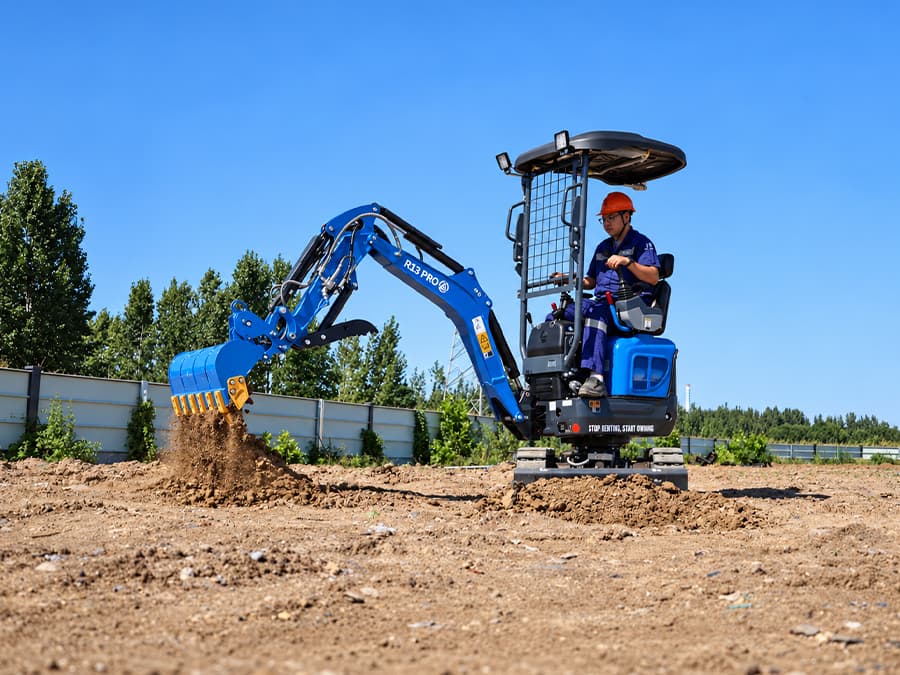
3. Evaluate the Manufacturer's Product Range
A manufacturer with a broad product range can provide advantages for dealers developing a construction equipment business.
A dealer may initially focus on compact excavators and later expand into:
Mini excavators
Larger excavators
Wheel loaders
Skid steer loaders
Backhoe loaders
Forklifts
This makes the supplier relationship more scalable.
Instead of establishing separate supply channels for every equipment category, a dealer can gradually develop a broader product portfolio with the same manufacturing partner.
4. Ask About Export Experience
International wholesale purchasing involves more than manufacturing.
The supplier should understand export documentation, international logistics, container loading, product labeling, customs requirements, and communication with overseas buyers.
For a dealer, previous export experience can also make the purchasing process easier because the manufacturer is familiar with common requirements from international markets.
Before placing a large order, buyers should ask:
Which countries does the manufacturer currently supply?
Can the factory support repeat wholesale orders?
What export documents are available?
How are spare parts handled?
Who will manage technical questions after delivery?
These questions help separate a long-term supplier from a short-term seller.
5. Examine Dealer Support
A manufacturer can produce good equipment and still be difficult for a dealer to work with.
Dealer support should therefore be evaluated before signing a distribution agreement.
Important areas include:
Territory policies
Product training
Marketing materials
Technical support
Spare parts supply
Lead support
Dealer communication
Product updates
Local market cooperation
For businesses investing in a new equipment brand, these factors can directly affect how quickly the dealer develops its local market.
Chinese Mini Excavator Manufacturer vs. Trading Company
Both manufacturers and trading companies can participate in international machinery sales, but their capabilities may be different.
A manufacturer generally has more direct control over production, product development, quality management, and factory-level technical information.
A trading company may provide access to several factories and products, but the buyer should understand who actually manufactures the equipment.
For wholesale buyers planning repeat orders, identifying the original manufacturer is particularly useful.
Questions to Ask Before Placing a Wholesale Order
A practical supplier evaluation checklist includes:
Where is the factory located?
How long has the company been manufacturing construction equipment?
What machinery categories are produced?
Does the company export internationally?
Can the factory support dealer orders?
What spare parts support is available?
Can the supplier provide technical documents?
Does the company offer dealer or distributor cooperation?
How are quality inspections performed?
Can the supplier support long-term product development?
The answers should be considered together rather than judged only by the quoted price.
Why Factory Capability Matters to Dealers
For a dealer, the relationship does not end when the container arrives.
A successful machinery business needs a repeatable supply chain.
When local customers request additional machines, attachments, replacement parts, or different equipment categories, the dealer needs a manufacturer capable of responding consistently.
That is why factory capability becomes increasingly important as the dealer's sales volume grows.
Final Considerations
Choosing a Chinese mini excavator manufacturer should be treated as a supplier evaluation process rather than a simple price comparison.
Manufacturing capability, product range, export experience, quality management, parts support, and dealer cooperation all deserve attention before a wholesale agreement is established.
For international businesses looking for a long-term equipment supplier, evaluating these areas first can create a stronger foundation for local sales and future expansion.
If you are looking for a Chinese mini excavator manufacturer for wholesale or dealer cooperation, contact RIPPA Group to discuss available equipment categories and international business opportunities.