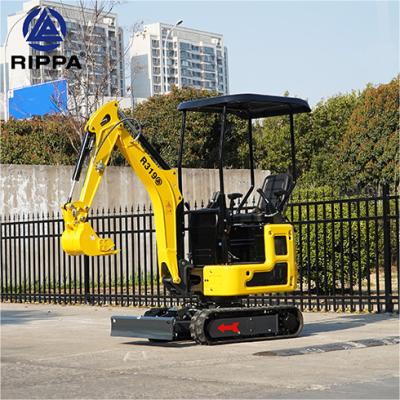
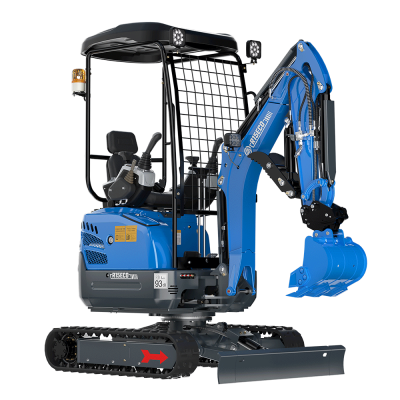
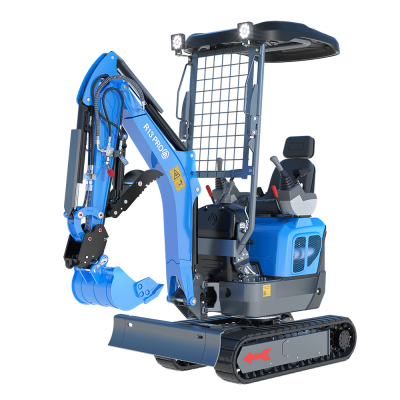
How to Import Chinese Mini Excavators for a Local Equipment Business
Businesses planning to sell Chinese mini excavators in their local market need more than a product supplier. They need to understand sourcing, international logistics, documentation, inventory, customer support, and future orders.
For dealers and distributors, importing equipment can become part of a long-term business model when the supply chain is properly organized.
What Does Importing a Chinese Mini Excavator Involve?
Importing equipment generally involves several parties and stages.
The process may include:
Finding a manufacturer
Selecting products
Requesting commercial information
Confirming an order
Preparing production
Export documentation
International shipping
Import procedures
Local delivery
Customer sales and support
The exact process varies by destination country and the transaction structure.
Step 1: Find a Chinese Manufacturer
Start by identifying manufacturers that serve international markets.
Review their company information, product range, manufacturing background, export experience, and dealer cooperation.
A direct manufacturer relationship can be useful for businesses planning repeat purchases.
Step 2: Understand Your Local Market
Before importing inventory, determine who will buy the equipment.
Potential customer groups include:
Construction companies
Landscaping contractors
Agricultural businesses
Rental companies
Groundworks businesses
Property maintenance companies
Local customer requirements should influence product selection.
Step 3: Discuss the Order With the Supplier
Tell the manufacturer your destination market and business model.
A wholesale dealer should explain that the equipment will be sold or distributed locally.
The supplier can then discuss product selection, purchasing procedures, shipping, and related support.
Step 4: Understand Export Documentation
International equipment transactions require appropriate commercial and shipping documentation.
Before ordering, clarify which documents are provided by the supplier and which responsibilities belong to the buyer or logistics provider.
Clear documentation helps reduce confusion during transportation and import procedures.
Step 5: Plan Shipping
Shipping is an important part of international equipment sourcing.
The buyer and supplier should establish clear responsibilities for transportation arrangements, documentation, and delivery.
Businesses should also consider how imported equipment will move from the destination port or entry point to the local warehouse or customer.
Step 6: Prepare Local Sales
Importing equipment is only one part of the business.
Dealers need a local sales strategy.
Useful channels may include:
Company websites
Search engine marketing
Local SEO
Equipment listings
Social media
Contractor relationships
Rental partnerships
Parts and Customer Support
Before importing equipment for resale, understand the supplier's parts support process.
A local dealer may need to order replacement components, communicate technical questions, or obtain product information from the manufacturer.
This should be planned before the first customer purchase.
Is Direct Importing Suitable for Every Business?
Not necessarily.
A small buyer may prefer purchasing from a local dealer.
A distributor or equipment company with established sales channels may find direct import sourcing more relevant.
The decision depends on purchase volume, market knowledge, logistics capabilities, and long-term business plans.
Work With a Chinese Mini Excavator Manufacturer
RIPPA Group supplies construction machinery to international customers and works with dealers, distributors, and resellers.
If your business is considering importing Chinese mini excavators for local resale or distribution, contact RIPPA Group to discuss factory supply, wholesale purchasing, and dealer cooperation.