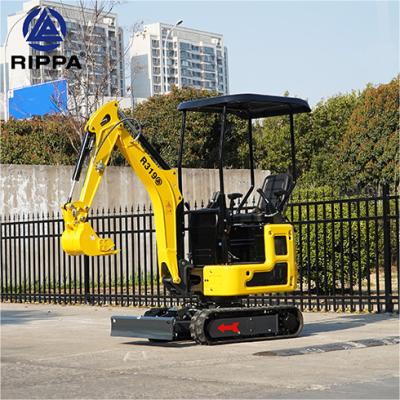
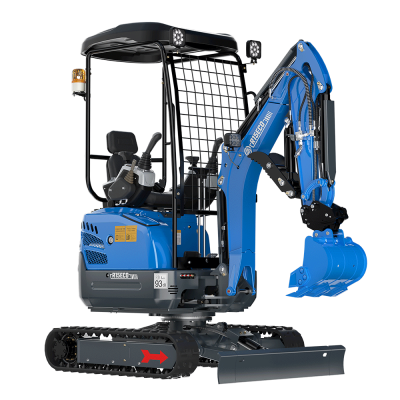
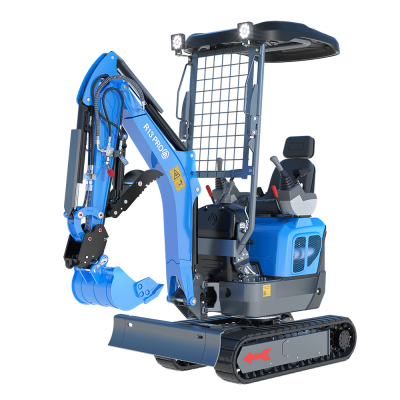
Buying a mini excavator is a major investment for contractors, landscapers, farmers, and equipment rental businesses. Choosing the right compact excavator can improve productivity, reduce operating costs, and increase project efficiency.
This mini excavator buying guide explains the most important factors to consider before purchasing a machine.
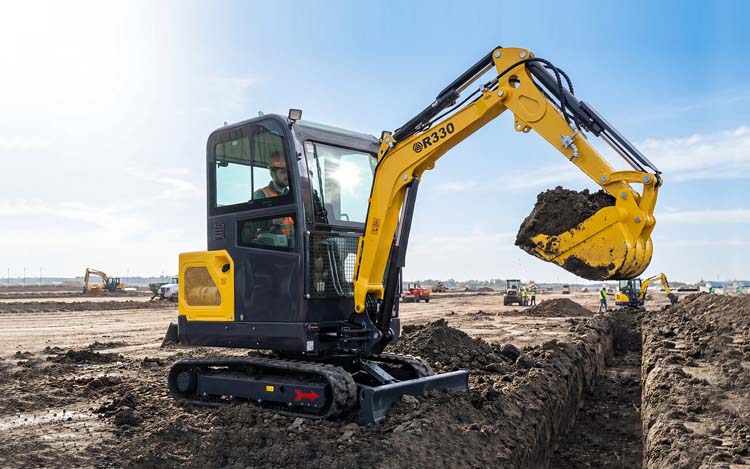
Determine Your Project Requirements
Before buying a mini excavator, clearly define your operational needs.
Questions to Ask
What type of work will the excavator perform?
How deep do you need to dig?
Will you work in confined spaces?
What attachments are required?
Choose the Correct Excavator Size
Mini excavators are available in different weight classes.
| Machine Size | Typical Applications |
|---|
| 1–2 Ton | Landscaping, residential work |
| 3–5 Ton | Construction, utility projects |
| 6–10 Ton | Heavy-duty excavation |
Smaller models are easier to transport, while larger models provide greater digging power.
Evaluate Engine Performance
Engine quality directly affects reliability and fuel efficiency.
Popular Engine Brands
Kubota
Yanmar
Perkins
Briggs & Stratton
Key Considerations
Fuel consumption
Emission compliance
Maintenance requirements
For international markets, ensure the engine meets:
EPA standards
Euro 5 regulations
Check Hydraulic System Quality
The hydraulic system is one of the most important components.
Important Hydraulic Features
Smooth operation
Fast cycle times
Attachment compatibility
Stable pressure output
High-quality hydraulic pumps improve overall excavator performance.
Consider Attachment Compatibility
Attachments increase excavator versatility.
Common Mini Excavator Attachments
Hydraulic breaker
Auger
Grapple
Tilt bucket
Ripper
A quick coupler system allows fast attachment changes.
Compare Tail Swing Types
Conventional Tail Swing
Provides better stability but requires more space.
Zero Tail Swing
Ideal for:
Urban construction
Tight spaces
Residential projects
Evaluate Cab Comfort and Safety
Operator comfort improves efficiency during long work hours.
Important Cab Features
Adjustable seat
Air conditioning
Joystick controls
Visibility
Safety alarms
ROPS and FOPS certifications improve operator protection.
Check Maintenance Accessibility
Easy maintenance reduces downtime.
Maintenance Areas to Inspect
Machines with simple maintenance designs are more cost-effective over time.
Compare New vs Used Mini Excavators
Buying New
Advantages:
Warranty coverage
Latest technology
Better reliability
Buying Used
Advantages:
Lower upfront cost
Faster ROI
Always inspect used machines carefully for:
Hydraulic leaks
Excessive wear
Engine condition
Understand Total Ownership Cost
Do not focus only on purchase price.
Additional Costs
Shipping
Maintenance
Spare parts
Fuel
Insurance
A cheaper excavator may become expensive if parts are difficult to obtain.
Select a Reliable Supplier
Choose suppliers with:
Strong export experience
Good customer reviews
Spare parts support
Technical assistance
Request:
Factory videos
Inspection reports
Customer references
Final Thoughts
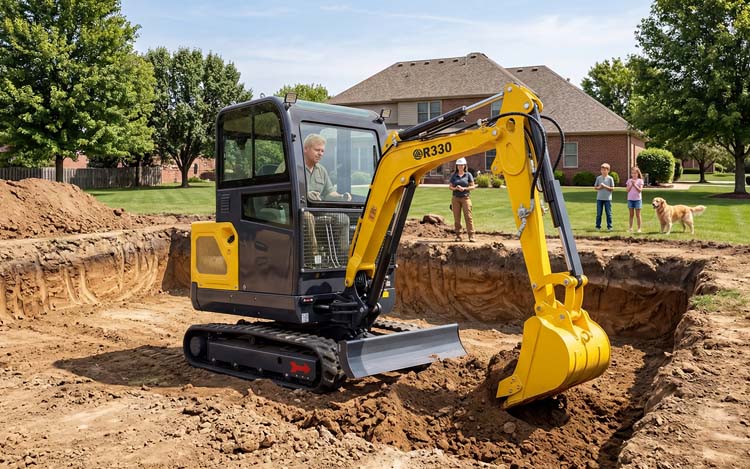
Buying the right mini excavator requires careful evaluation of machine size, engine performance, hydraulic quality, attachments, and supplier reliability. A well-selected compact excavator can provide years of efficient operation across construction, landscaping, agriculture, and utility projects.
Whether you purchase locally or import from China, investing in a quality mini excavator can significantly improve productivity and business profitability.