Mini Excavator for Sale: What Buyers Should Check Before Choosing a Supplier
Mini Excavator for Sale: What Buyers Should Check Before Choosing a Supplier
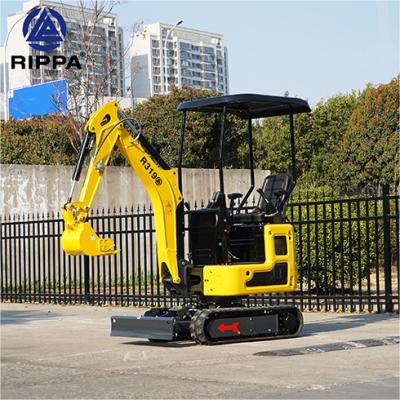
Finding a mini excavator for sale is only the first step in purchasing compact construction equipment. Buyers also need to evaluate the supplier, understand the available machine options, compare applications, and consider long-term operating requirements.
For contractors, agricultural businesses, landscaping companies, and equipment distributors, choosing the right supplier can make a significant difference to purchasing efficiency and future business operations.
This guide explains what buyers should consider before selecting a mini excavator supplier.
1. Identify the Work You Need the Mini Excavator to Perform
Before comparing machines, define the work environment and applications.
Mini excavators are commonly considered for projects such as:
Residential construction and renovation
Landscaping and garden preparation
Trenching for utility installation
Agricultural property maintenance
Small construction sites
Work in narrow access areas
Different projects require different equipment configurations. Buyers should consider the available working space, ground conditions, transportation arrangements, and the type of attachments required.
A machine selected for landscaping may have different priorities from one intended for regular construction work.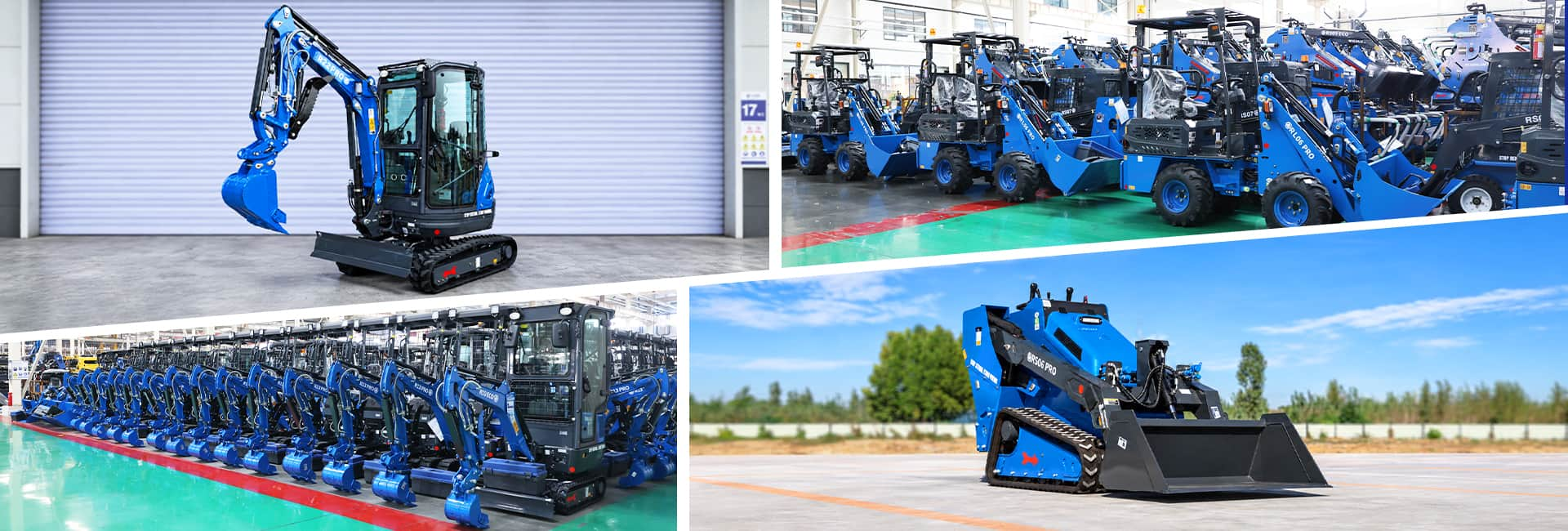
2. Compare Mini Excavator Manufacturers and Suppliers
Not every supplier offers the same purchasing experience. When evaluating a mini excavator manufacturer, buyers should look beyond the advertised product.
Important questions include:
Does the supplier manufacture construction equipment directly?
Can it provide a clear product catalog?
Are machine configurations and available options explained?
Can it support bulk or repeat purchasing?
Does it have experience serving overseas markets?
Can it communicate clearly about order arrangements and delivery?
For equipment dealers and distributors, supplier consistency is particularly important. A reliable manufacturer should be able to explain its product range and discuss the requirements of different markets.
3. Understand the Available Machine Configurations
Mini excavators are available in different configurations to meet different working requirements.
When comparing products, buyers should review:
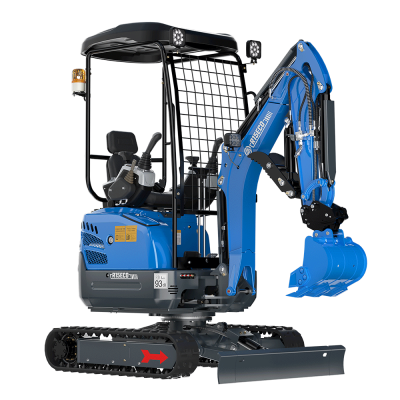
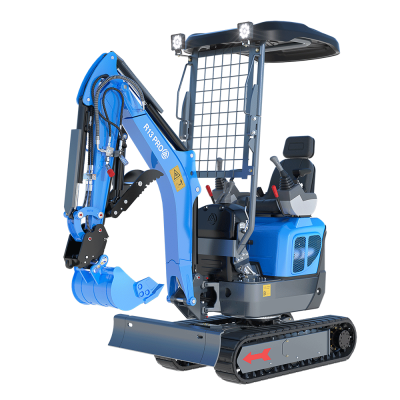
Open canopy and enclosed cab options, where available
Engine and powertrain choices
Track configuration
Hydraulic system compatibility
Available attachment options
Operator access and working visibility
Do not select a machine based only on its product name or appearance. Request the official product information and confirm that the configuration meets the intended application.
4. Check Attachment Compatibility
Attachments can influence how a mini excavator is used across different projects.
Depending on the machine configuration, buyers may consider:
Buckets for digging and material handling
Augers for drilling applications
Hydraulic breakers for suitable demolition work
Grapples for handling materials
Other application-specific attachments
Before placing an order, confirm whether the attachment is compatible with the selected machine and whether it is included in the quotation or supplied separately.
5. Evaluate the Supplier's Export and Business Capabilities
For international buyers, purchasing a mini excavator involves more than choosing a product.
Importers and equipment dealers should clarify:
Export documentation arrangements
Shipping and delivery terms
Order quantities
Packaging and transportation arrangements
Spare parts purchasing procedures
Communication during and after the order process
These details are especially important for distributors planning to build a long-term equipment business.
6. Why Consider a Manufacturer Directly?
Working directly with a manufacturer can help buyers communicate product requirements more clearly and understand the available equipment range.
For wholesale buyers, direct manufacturer communication may also make it easier to discuss product selection, repeat orders, and market-specific requirements.
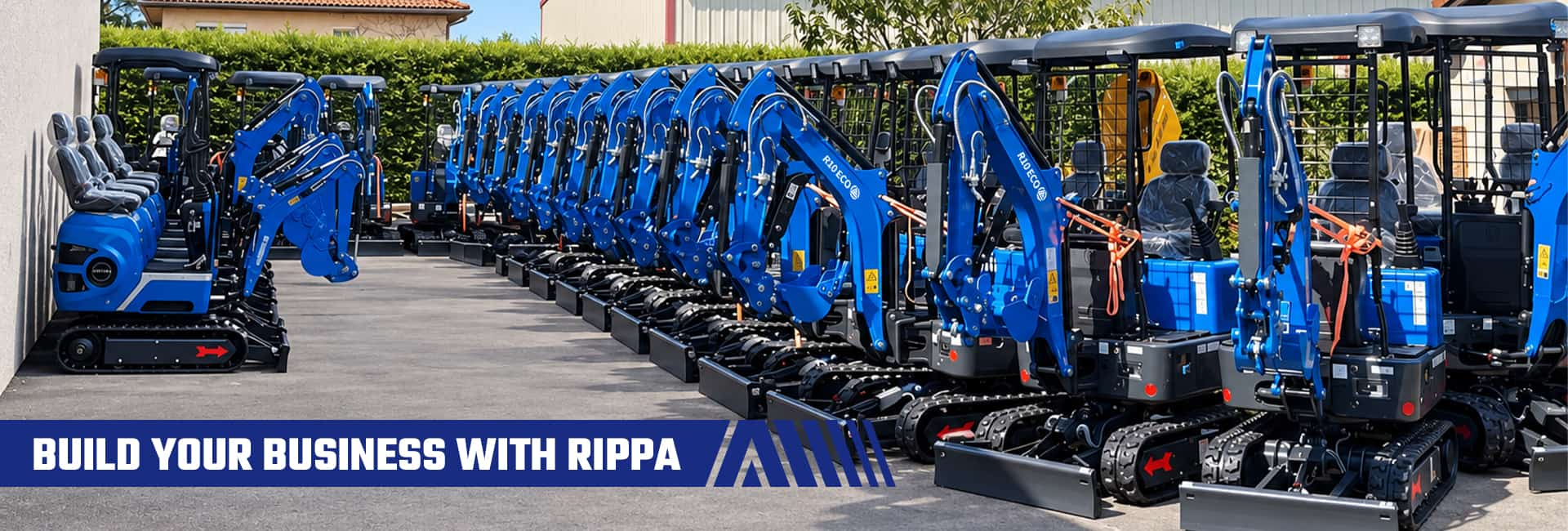
RIPPA provides construction machinery for international markets, including mini excavators and other compact equipment. Buyers can explore the available product range and contact the company to discuss their purchasing requirements.
Mini Excavator Buying Checklist
Before making a purchasing decision, review the following points:
Confirm the intended application.
Compare suitable machine configurations.
Request official product information.
Confirm attachment compatibility
Evaluate the manufacturer's business background.
Clarify quotation and order conditions.
Discuss export and transportation arrangements.
Understand spare parts purchasing procedures.
Frequently Asked Questions
Where can I find a mini excavator for sale?
Buyers can compare equipment manufacturers, authorized dealers, and construction machinery suppliers. Reviewing the manufacturer's product catalog and business information can help narrow down suitable options.
Should I buy from a manufacturer or a local dealer?
Both options can be suitable. Buying directly from a manufacturer may be useful for wholesale and repeat orders, while a local dealer may provide a convenient purchasing channel for individual buyers.
What should I compare when buying a mini excavator?
Consider the intended application, machine configuration, available attachments, supplier experience, order terms, and spare parts arrangements.
Are mini excavators suitable for landscaping?
Mini excavators are commonly used for landscaping, trenching, garden preparation, and other projects where compact construction equipment is appropriate.
Contact RIPPA About Mini Excavator Purchasing
Choosing a mini excavator requires more than comparing product listings. Buyers should evaluate the machine, manufacturer, and purchasing arrangements together.
Explore RIPPA's construction machinery range and contact the team to discuss mini excavator options for your business.