Rippa Mini Excavator: How to Choose the Right Machine for Your Business
Rippa Mini Excavator: How to Choose the Right Machine for Your Business
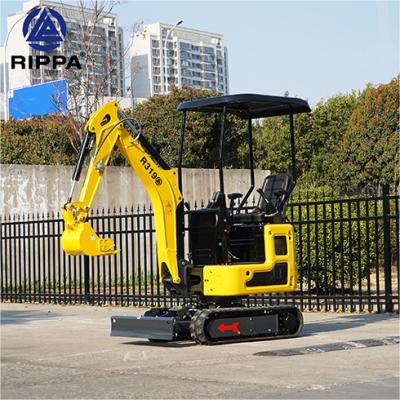
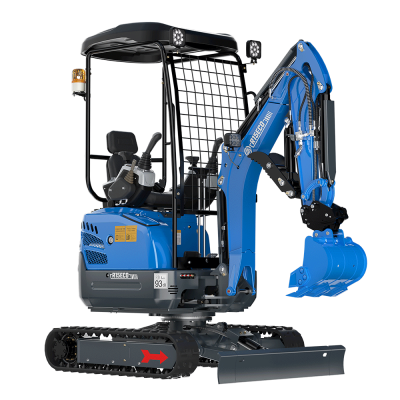
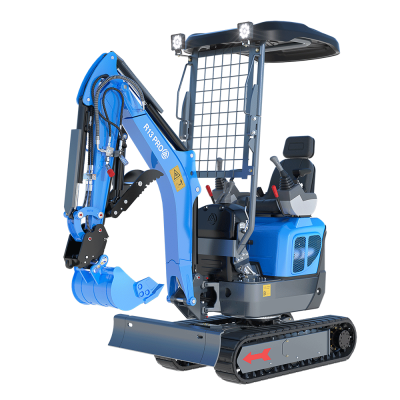
When searching for a Rippa mini excavator, buyers may encounter different models, configurations, and product options. Choosing the right equipment requires understanding how the machine will be used and which features are important for the intended application.
For construction contractors, agricultural businesses, landscaping companies, and equipment distributors, a suitable mini excavator should match the work environment and purchasing requirements.
This article explains how to evaluate the Rippa mini excavator range before making a purchasing decision.
1. Start With Your Main Application
The first step is to identify the type of work the excavator will perform.
Common applications include:
Residential construction
Compact excavators can be considered for foundation preparation, drainage work, and other small construction projects.
Landscaping
Landscaping contractors may use mini excavators for garden preparation, trenching, and moving soil.
Agricultural operations
Farm operators may consider compact excavators for property maintenance, irrigation projects, and other digging tasks.
Utility installation
Compact equipment can be useful for projects involving narrow trenches and limited working areas.
Defining the main application helps buyers narrow down the suitable product configurations.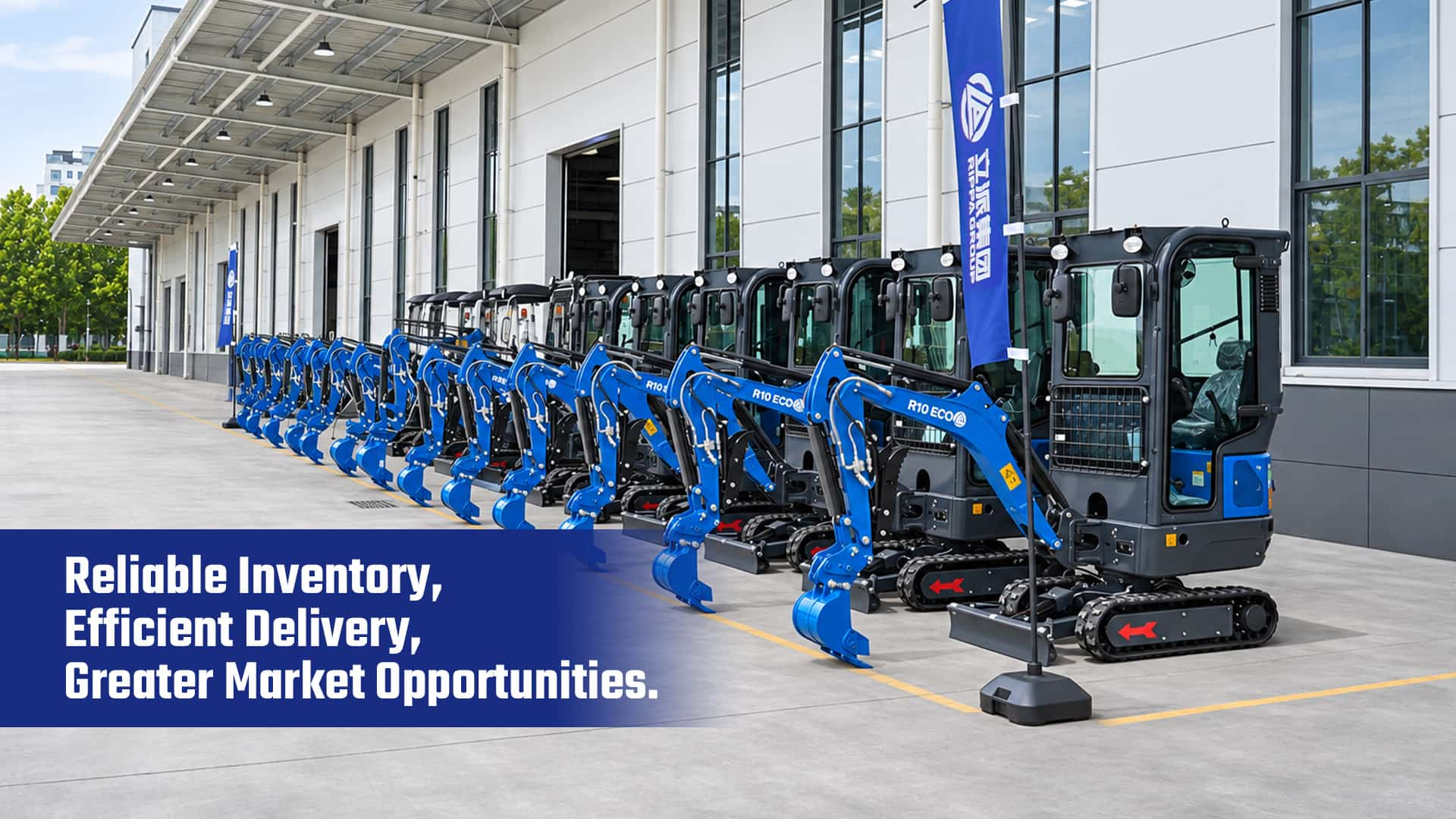
2. Compare the Available Rippa Mini Excavator Models
When comparing Rippa mini excavators, buyers should review the official product information for each model.
Rather than selecting a machine based only on its model name, compare the following:
Intended working applications
Machine configuration
Available engine options
Operator station design
Track and undercarriage configuration
Hydraulic attachment compatibility
Transportation requirements
A model that suits one contractor may not be the best choice for another business.
Buyers should request the latest product catalog and confirm the exact configuration before ordering.
3. Consider the Working Environment
The working environment affects equipment selection.
For narrow residential sites, buyers may prioritize machine dimensions and access requirements.
For agricultural properties, ground conditions and the type of maintenance work may be more important.
For contractors handling several types of projects, attachment compatibility and equipment versatility can become major purchasing considerations.
Before selecting a machine, evaluate the site conditions and confirm whether the machine can access the intended work area.
4. Review Attachment Options
Attachments can expand the applications of a mini excavator.
Depending on machine compatibility, common options may include:
General-purpose buckets
Narrow trenching buckets
Augers
Hydraulic breakers
Grapples
Buyers should confirm the attachment interface, hydraulic requirements, and availability with the manufacturer.
It is important not to assume that every attachment fits every mini excavator configuration.
5. What Should Equipment Dealers Consider?
For construction equipment dealers, purchasing decisions involve more than the suitability of an individual machine.
A dealer should evaluate:
Product range
A manufacturer with multiple equipment categories may provide opportunities to serve different customer groups.
Product information
Clear catalogs and consistent model information help dealers introduce products to potential buyers.
Order arrangements
Dealers should clarify order quantities, quotation procedures, and delivery arrangements before establishing a purchasing plan.
Spare parts communication
Understanding how spare parts are identified and ordered is important for ongoing equipment sales.
Market requirements
Different markets may have different customer expectations and regulatory requirements. Dealers should verify the applicable requirements before importing equipment.
6. Why Compare Rippa Mini Excavators?
RIPPA offers construction machinery for international markets, including mini excavators and other equipment categories.
When reviewing the Rippa product range, buyers can compare the available models and configurations based on their intended applications.
For businesses purchasing equipment for resale, it is also useful to discuss the product range, order requirements, and market needs directly with the manufacturer.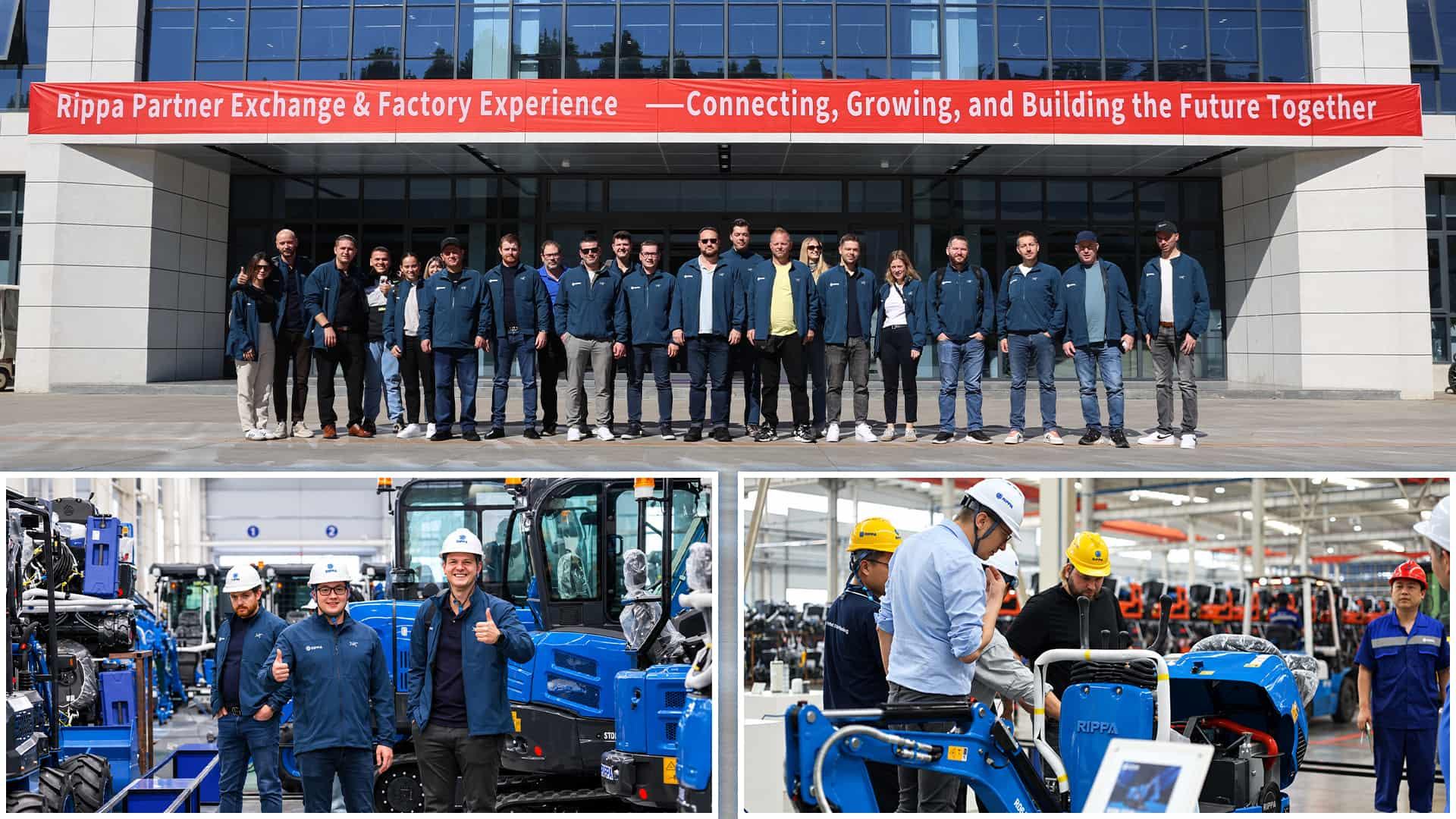
Frequently Asked Questions
How do I choose a Rippa mini excavator?
Start by identifying your main application, working environment, transportation needs, and attachment requirements. Then compare the official specifications and available configurations of suitable models.
Can a mini excavator be used for different projects?
Yes. Depending on its configuration and compatible attachments, a mini excavator may be used for landscaping, trenching, agricultural maintenance, and various construction tasks.
What should dealers check before purchasing Rippa equipment?
Dealers should review the product range, official documentation, order conditions, export arrangements, spare parts purchasing procedures, and local market requirements.
How can I compare different Rippa excavator models?
Request the latest product catalog and compare the intended applications, configurations, attachment compatibility, and purchasing requirements.
Explore the Rippa Mini Excavator Range
The right mini excavator depends on the application, working environment, and purchasing objectives.
Explore the Rippa mini excavator range to review available equipment and contact RIPPA for product information and business purchasing discussions.