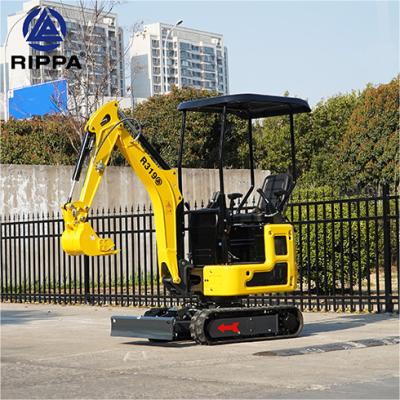
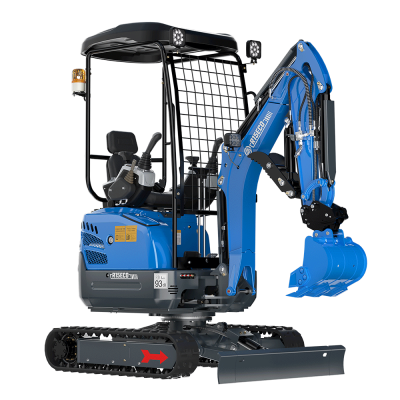
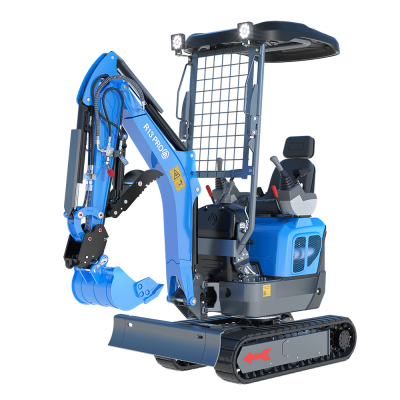
Mini Excavators For Sale or Dealer Supply: Which Option Is Right for Your Business?
People searching for mini excavators for sale do not always have the same purchasing needs. A contractor may need one machine for a specific project, while an equipment company may be looking for a long-term supplier and mini excavator dealer opportunity.
Understanding the difference between these purchasing goals can make the equipment sourcing process more efficient.
Buying One Mini Excavator
Contractors, landscapers, farmers, and property owners may simply need a machine for their own operations.
These buyers should focus on:
Machine size
Access requirements
Intended applications
Attachment compatibility
Transportation
Maintenance
Parts availability
Supplier support
The goal is to select equipment that can complete the required work efficiently without purchasing more capacity than necessary.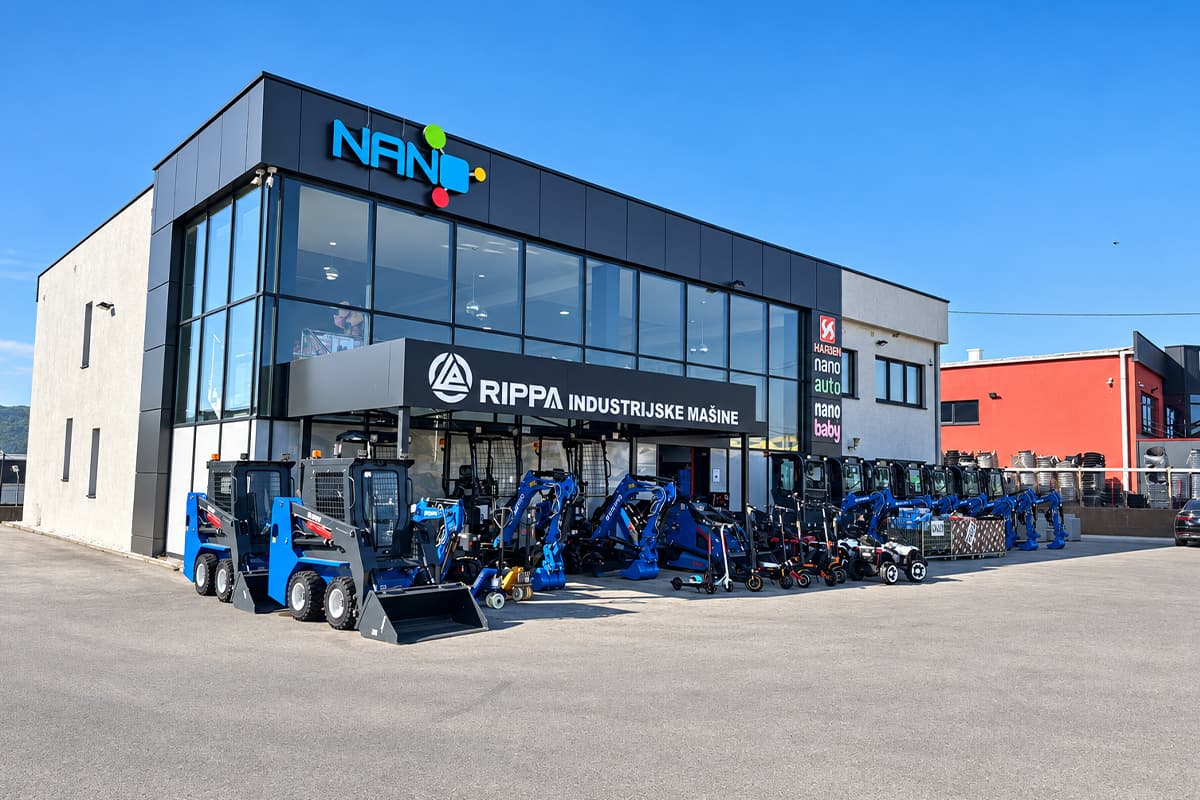
Buying Mini Excavators for a Business
Businesses purchasing several machines have different priorities.
An equipment rental company may need versatile machines that can serve different customers. A contractor may need several excavators for multiple projects. An importer may be focused on wholesale pricing and shipping.
For these customers, supplier reliability becomes increasingly important.
Becoming a Mini Excavator Dealer
A mini excavator dealer needs to think beyond individual machine sales.
A dealership normally requires a clear target market, reliable product supply, customer service capabilities, parts planning, and a marketing strategy.
Before working with a manufacturer, dealers should evaluate:
Product quality and suitability
Factory capabilities
Commercial terms
Shipping arrangements
Parts support
Marketing resources
Territory policies
Customer lead handling
A strong supplier relationship can make it easier to build repeat business.
Why Work With a Manufacturer?
For international dealers and importers, direct manufacturer communication can simplify discussions about product configurations, purchasing quantities, logistics, and future supply.
RIPPA Group is headquartered in Jining, Shandong, China, and supplies construction machinery to international markets.
Its product portfolio includes mini excavators, larger excavators, loaders, skid steer loaders, and other construction machinery.
This allows businesses to discuss both individual equipment purchases and longer-term distribution requirements with one manufacturing partner.
How to Choose the Right Purchasing Model
Choose a local dealer if you prioritize nearby inventory, local service, and direct access to equipment.
Consider factory-direct purchasing if you are an importer, distributor, rental company, contractor, or business planning repeat orders and can manage international logistics.
Consider a dealer partnership if you already have a local customer base and want to develop construction machinery sales as an ongoing business.
There is no single purchasing model suitable for every customer. The best option depends on your market, order volume, service capability, and business objectives.
Frequently Asked Questions
What is the difference between a mini excavator dealer and a manufacturer?
A dealer typically sells and supports equipment within a local or regional market, while a manufacturer produces the equipment and supplies dealers, distributors, importers, and other customers.
Can I buy mini excavators directly from RIPPA?
International buyers can contact RIPPA to discuss equipment availability and purchasing requirements. Specific commercial terms should be confirmed directly with the company.
Can I become a RIPPA mini excavator dealer?
Businesses interested in dealer cooperation can contact RIPPA with information about their market, existing business, sales channels, and purchasing plans.
Explore Mini Excavator Supply Opportunities
Whether you are looking for mini excavators for sale for your own operation or exploring a mini excavator dealer opportunity, choosing the right supplier is an important first step.
Contact RIPPA Group to discuss your equipment requirements, target market, purchasing volume, and potential cooperation.