Rippa Mini Skid Steer vs Rippa Mini Excavator: Which Compact Machine Is Right for Your Business?
Compact construction equipment has transformed the way contractors, landscapers, farmers, and rental companies complete projects. Instead of relying on large, expensive machines for every task, businesses are increasingly choosing compact equipment that delivers exceptional versatility, lower operating costs, and improved efficiency.
Among the most popular options are the Rippa mini skid steer and the Rippa mini excavator. Although both machines are designed for compact work environments, they serve different purposes and excel in different applications.
Understanding the strengths of each machine can help you make a smarter investment, improve jobsite productivity, and maximize your return on equipment ownership.
This guide compares both machines, explores their ideal applications, and explains why many contractors choose to operate both machines together.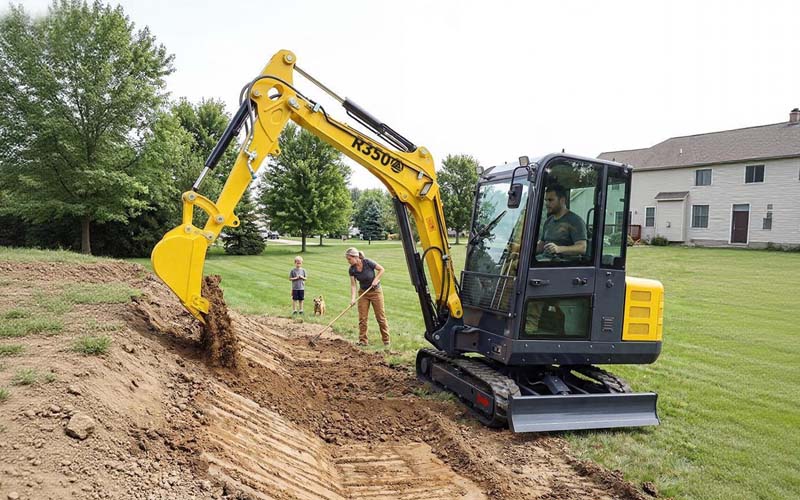
Why Compact Equipment Is Becoming the Industry Standard
Today's construction projects demand equipment that is productive, flexible, and easy to transport. Residential developments, municipal upgrades, landscaping projects, and agricultural operations often involve limited access and tight working spaces.
Compact machines offer several advantages over larger equipment:
Easy transportation between job sites
Reduced fuel consumption
Lower maintenance costs
Excellent maneuverability
Faster project completion
Improved operator efficiency
Reduced ground disturbance
Greater attachment versatility
Because of these advantages, compact equipment has become essential for businesses of every size.
What Is a Rippa Mini Excavator?
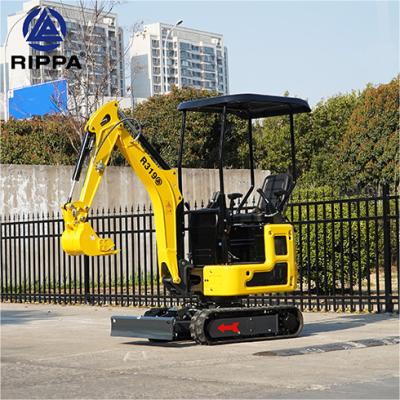
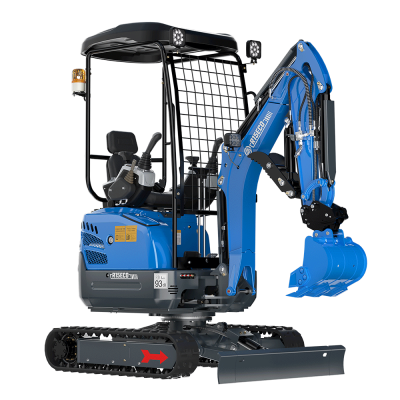
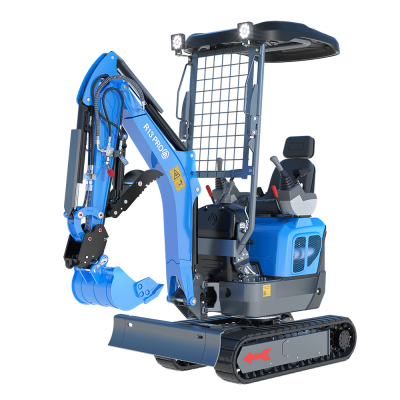
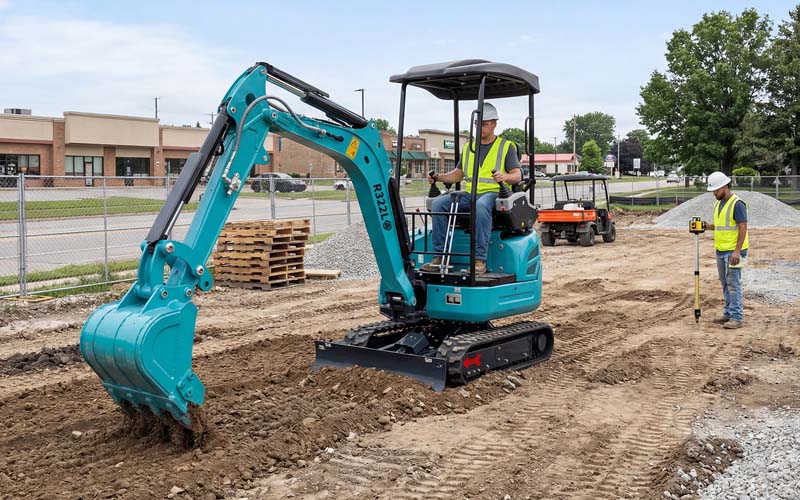
A Rippa mini excavator is designed primarily for digging, trenching, grading, and precision earthmoving.
Its boom, arm, and bucket configuration allows operators to excavate efficiently while maintaining excellent control in confined areas.
Typical applications include:
Foundation excavation
Utility trenching
Drainage installation
Landscaping
Tree planting
Farm maintenance
Pond construction
Fence installation
Demolition preparation
For contractors working below ground level or performing precision excavation, a mini excavator remains the preferred solution.
What Is a Rippa Mini Skid Steer?
A Rippa mini skid steer is an extremely versatile compact loader capable of performing material handling, grading, lifting, site cleanup, and numerous attachment-based operations.
Unlike an excavator, the skid steer focuses on moving materials efficiently rather than digging deep trenches.
It is commonly used for:
Material loading
Site cleanup
Soil grading
Snow removal
Pallet handling
Landscape preparation
Mulching
Surface leveling
Property maintenance
Its compact footprint makes it particularly valuable for residential and commercial projects with restricted access.
Key Differences Between a Rippa Mini Skid Steer and a Rippa Mini Excavator
Although both machines belong to the compact equipment category, they are designed to perform different types of work.
| Feature | Rippa Mini Excavator | Rippa Mini Skid Steer |
|---|---|---|
| Primary Function | Excavation and trenching | Loading and material handling |
| Best for Digging | Excellent | Limited |
| Material Transport | Moderate | Excellent |
| Grading | Good | Excellent |
| Landscaping | Excellent | Excellent |
| Jobsite Cleanup | Good | Excellent |
| Attachment Versatility | High | Very High |
| Confined Space Operation | Excellent | Excellent |
Choosing between the two depends largely on the nature of your daily work.
When Should You Choose a Rippa Mini Excavator?
A mini excavator Rippa is the ideal solution if your projects require precision digging or underground work.
Choose a mini excavator if your business frequently performs:
Utility Installation
Installing water, electrical, gas, or communication lines requires accurate trenching with minimal disruption.
Foundation Work
Compact excavators are commonly used for residential foundations, retaining walls, and small commercial developments.
Landscaping Projects
Professional landscapers use excavators for:
Pond excavation
Tree planting
Rock placement
Drainage systems
Garden renovation
Irrigation installation
Agricultural Improvements
Farm owners benefit from compact excavators for ditch cleaning, land clearing, drainage improvements, and fence construction.
When Is a Rippa Mini Skid Steer the Better Choice?
The Rippa mini skid steer excels in projects requiring lifting, transporting, and surface preparation.
It is particularly valuable for businesses handling:
Material Handling
Moving gravel, sand, soil, mulch, construction debris, and landscaping materials becomes faster and more efficient.
Property Maintenance
Property managers use mini skid steers for year-round maintenance, including site cleanup, grading, and material movement.
Landscaping Preparation
Preparing outdoor spaces often involves moving large quantities of soil, mulch, decorative stone, and plants.
A skid steer significantly reduces manual labor.
Equipment Rental
Rental companies appreciate mini skid steers because they are easy to operate and suitable for customers across multiple industries.
Attachment Options Expand Machine Value
One reason both machines continue to gain popularity is their ability to use a wide variety of attachments.
Common Mini Excavator Attachments
General-purpose buckets
Trenching buckets
Hydraulic breakers
Augers
Grapples
Rippers
Compaction equipment
These attachments allow one excavator to complete multiple specialized tasks.
Common Mini Skid Steer Attachments
Buckets
Pallet forks
Grapple buckets
Sweepers
Augers
Soil cultivators
Trenchers
Brush cutters
Snow blades
This versatility transforms the skid steer into a true multi-purpose machine capable of adapting to seasonal business needs.
Why Many Contractors Own Both Machines
Experienced contractors often purchase both a Rippa mini excavator and a Rippa mini skid steer because the machines complement one another.
For example:
The excavator digs the trench.
The skid steer transports excavated material.
The excavator installs utilities.
The skid steer backfills and levels the site.
The excavator places landscaping features.
The skid steer handles cleanup and material distribution.
Using both machines together improves efficiency, reduces project timelines, and minimizes labor costs.
Industries That Benefit from Both Machines
Businesses in many industries use both compact machines to maximize productivity.
Construction Contractors
Efficient excavation, loading, grading, and site preparation.
Landscaping Companies
Tree planting, soil movement, grading, irrigation, and outdoor renovations.
Agriculture
Drainage systems, fence installation, material handling, and farm maintenance.
Municipal Services
Infrastructure repairs, park development, utility installation, and road maintenance.
Equipment Rental Companies
Offering both machines allows rental businesses to serve a broader customer base and increase fleet utilization.
Why Choose Rippa Compact Equipment?
Professionals around the world choose Rippa because the brand focuses on quality manufacturing, dependable performance, and long-term customer support.
Key advantages include:
Reliable manufacturing standards
Durable machine construction
Wide range of compact equipment
Global dealer network
Professional after-sales support
Spare parts availability
Versatile attachment compatibility
Solutions for construction, landscaping, agriculture, and rental industries
Whether you need a Rippa mini excavator, a Rippa mini skid steer, or both, Rippa provides equipment designed to improve productivity and deliver long-term value.
How to Choose the Right Machine
Before making a purchase, consider the following questions:
Do you primarily dig trenches or move materials?
Will the machine operate in residential or commercial environments?
Which attachments will you use most often?
How frequently will equipment be transported?
Are you expanding your business services?
Will multiple operators use the machine?
Answering these questions will help you determine which compact machine best matches your operational needs.
Conclusion
Both the Rippa mini skid steer and the Rippa mini excavator are valuable investments for businesses seeking efficient, versatile, and compact construction equipment.
If your work centers on excavation, trenching, utility installation, or landscaping, the mini excavator Rippa is the ideal choice.
If your daily tasks involve loading, grading, transporting materials, or site cleanup, the Rippa mini skid steer offers exceptional versatility and productivity.
For contractors aiming to maximize efficiency across a wide range of projects, owning both machines creates a highly effective compact equipment fleet capable of handling nearly every stage of construction, landscaping, and agricultural work.
Frequently Asked Questions
What is the main difference between a Rippa mini skid steer and a Rippa mini excavator?
A Rippa mini excavator is designed for digging, trenching, and excavation, while a Rippa mini skid steer specializes in loading, material handling, grading, and site preparation.
Which machine is better for landscaping?
Both machines are excellent for landscaping. The excavator is better for digging and tree planting, while the skid steer is ideal for moving soil, mulch, rocks, and leveling the site.
Can both machines use attachments?
Yes. Both support a wide range of attachments, enabling contractors to complete excavation, drilling, grading, demolition, material handling, and seasonal maintenance tasks with greater efficiency.
Is a mini skid steer suitable for construction projects?
Absolutely. Mini skid steers are commonly used for site cleanup, material transport, grading, and support work on residential and commercial construction sites.
Why do many contractors buy both machines?
The two machines perform complementary tasks. A Rippa mini excavator handles excavation and trenching, while a Rippa mini skid steer manages loading, backfilling, grading, and material transport. Together, they create a highly productive and efficient workflow, reducing labor costs and improving overall jobsite performance.