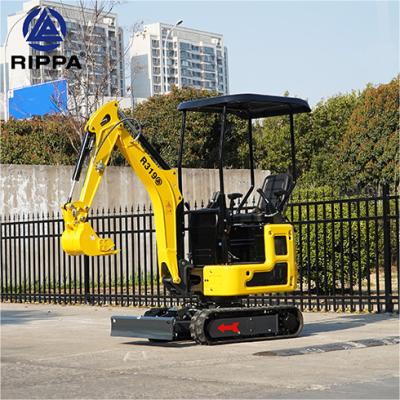
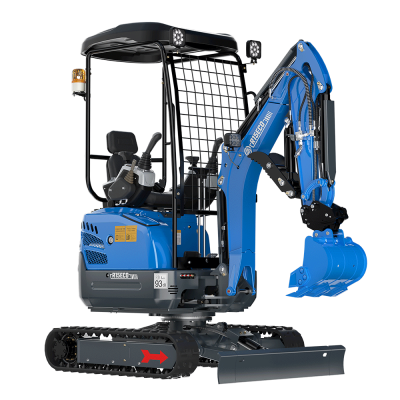
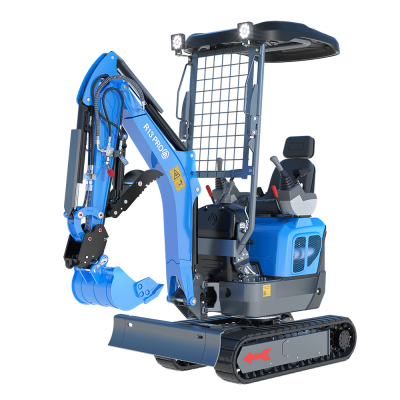
Ultimate Guide to Choosing the Best Skid Steer Loader for Your Business in 2025
What Defines a “Best-in-Class” Skid Steer Loader?
Selecting the perfect skid steer loader isn't about finding the most expensive model. The best machine is the one that seamlessly integrates into your specific workflow, offering an optimal balance of power, versatility, and value. To achieve this, you must evaluate a combination of critical performance metrics and long-term operational factors. A machine that excels in raw power but lacks reliable dealer support in your region will become a liability. Conversely, an affordable unit that cannot handle your most common attachments will fail to boost productivity. The true "best" skid steer is a strategic asset that matches your primary tasks, operator environment, and total cost of ownership goals.
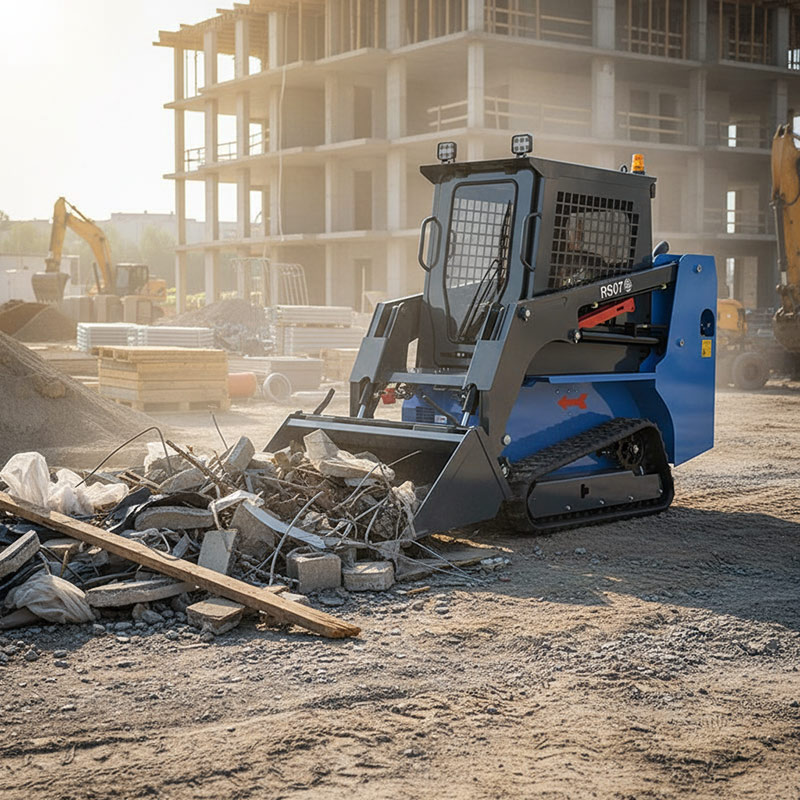
Key considerations for a top-performing skid steer start with its core performance and power. A capable machine must deliver strong lift capacity for loading and stacking, smooth hydraulic flow for precise attachment control, stable operation under full load to ensure safety, and efficient fuel consumption to manage running costs. For instance, large-scale construction or demolition projects often require models with 80 to over 100 horsepower, while landscaping, agriculture, and light industrial tasks may find a 50-70 horsepower unit to be the perfect, more economical fit.
Beyond the base machine, its versatility through attachments is what transforms a skid steer from a simple loader into a multi-tool. The best models support a wide ecosystem of quick-change attachments. This includes fundamental tools like buckets and pallet forks, as well as specialized equipment such as grapples for material handling, augers for digging, hydraulic breakers for demolition, sweepers for cleanup, and snow blades or blowers for winter work. The broader the compatible attachment range, the greater the variety of jobs your single investment can tackle.
Essential Features for Modern Business Operations
A modern skid steer must prioritize the operator's experience and safety, as these directly impact productivity and liability. Contemporary cabs are designed with spacious interiors, significantly improved all-around visibility, and intuitive hand-controlled joysticks that reduce fatigue. Businesses can choose between open and enclosed cabs depending on their climate and job site conditions. Crucially, the machine's framework should be certified with Roll-Over Protective Structures (ROPS) and Falling Object Protective Structures (FOPS) to meet stringent safety standards. Operator comfort is not a luxury; it directly influences efficiency, especially during long shifts, leading to more consistent and high-quality work output.
Equally critical to upfront features is the long-term support system behind the machine. A reliable maintenance and after-sales service network is what protects your investment. Before purchasing, investigate the manufacturer's parts availability, the proximity and reputation of service centers, the comprehensiveness of the warranty, and the quality of technical support. A skid steer with a robust dealer network ensures minimal downtime, keeping your machine productive for years. This operational reliability is a cornerstone of achieving the lowest cost per hour over the equipment's lifespan.
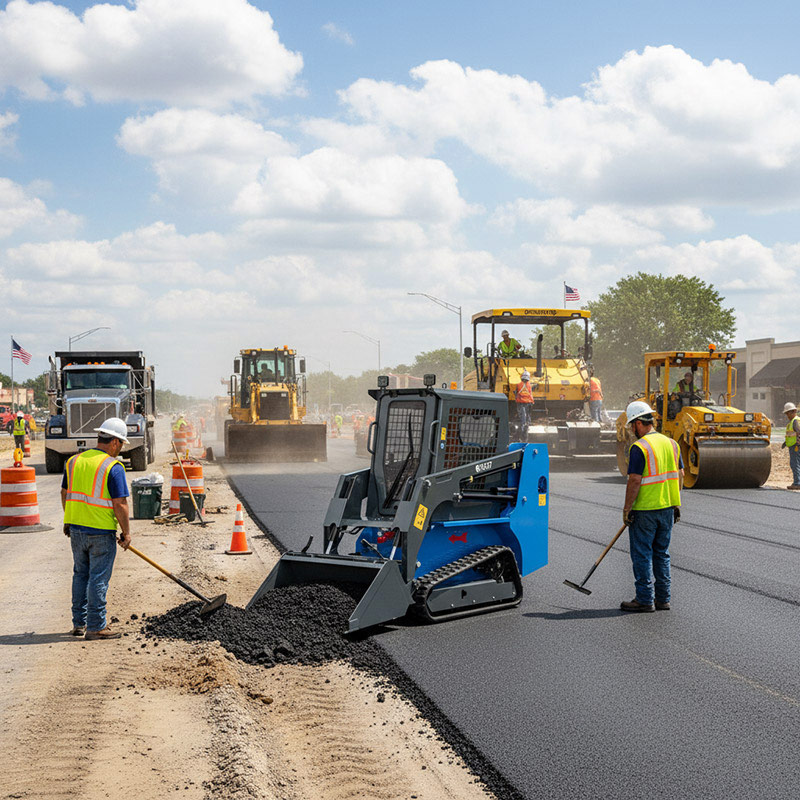
Ultimately, the decision comes down to cost and return on investment (ROI). The most profitable skid steer loader is the one that offers the lowest total operating cost, the highest efficiency in completing tasks, a long service life, and the greatest attachment compatibility. This value-oriented calculus is why many international buyers are turning to high-quality, Chinese-manufactured skid steer loaders. Brands like RIPPA have gained global traction by offering a compelling package: a robust structural frame, reliable engine performance, high-flow hydraulic systems for demanding attachments, extensive attachment options, and aggressive price competitiveness. Their proven export experience to markets like Europe, North America, and Southeast Asia makes them a viable and strategic choice for dealers, distributors, and cost-conscious fleet owners looking to maximize ROI.
Key Applications Driving Demand in 2025
The adaptability of skid steer loaders makes them indispensable across multiple industries. In construction, they are the workhorses for material handling, site clearance, and concrete preparation. For landscaping professionals, tasks like moving soil, grading land, and planting trees are handled with ease. The agricultural sector relies on them for efficient livestock feeding, barn cleaning, and bale handling. Furthermore, municipalities and contractors depend on skid steers for snow removal, utility trenching, and road maintenance. Their relatively simple operation and compact size also make them exceptionally popular within rental fleets, where a single machine must serve a diverse clientele with varying needs. This wide-ranging applicability ensures that choosing the right skid steer is a decision with significant impact on your business's capability and bottom line.