What are common problems with skid steers?
Troubleshooting Common Skid Steer Issues for Maximum Efficiency
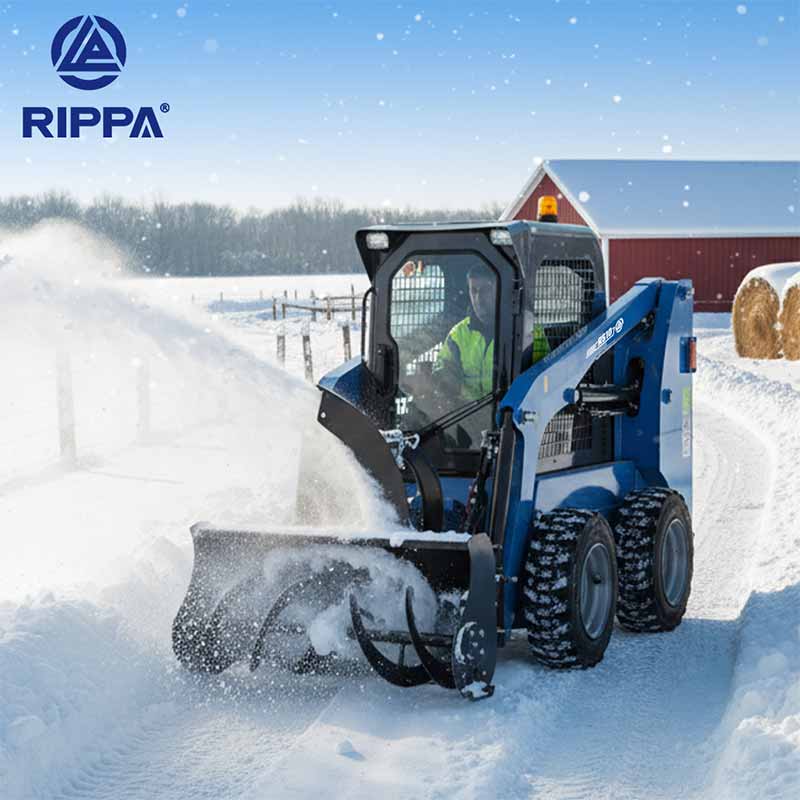
Skid steer loaders are powerhouse machines, serving as indispensable tools on construction sites, landscaping projects, and heavy-duty industrial farms. Their ability to move earth, debris, and raw materials with precision makes them a top choice for professionals. However, the demanding nature of these environments means that even the most robust equipment is susceptible to wear and tear. Over time, mechanical components can fail, leading to costly downtime if problems are not identified early.
Understanding the common mechanical hurdles and their respective solutions is the first step in maintaining a high-performance fleet. By focusing on the core systems—hydraulics, engines, and electrical components—operators can ensure their machinery remains in peak condition. Implementing a proactive diagnostic approach not only saves money on emergency repairs but also extends the operational lifespan of the loader significantly.
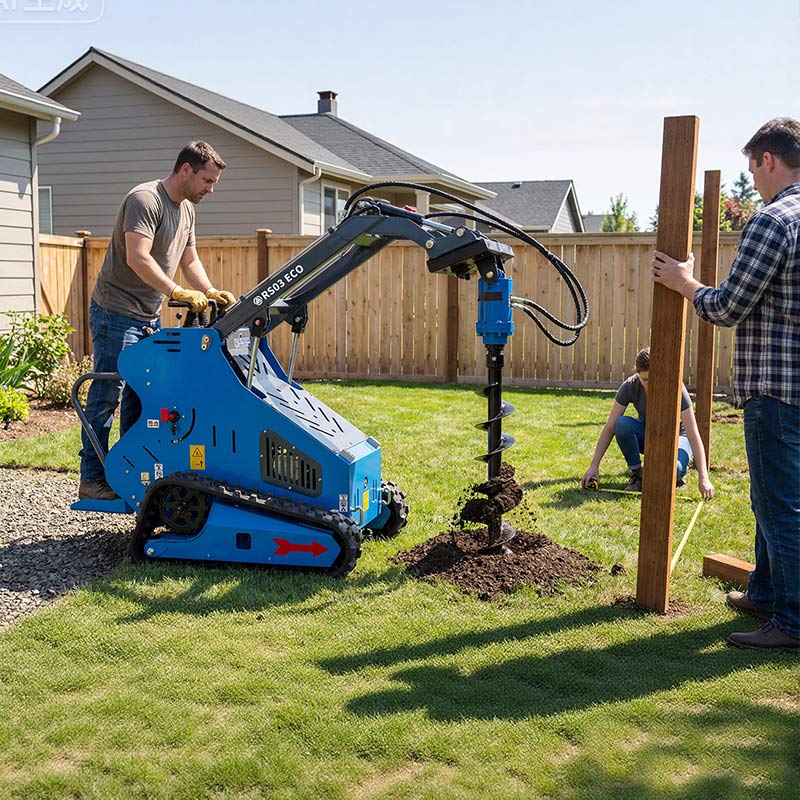
Managing Hydraulic and Engine System Failures
The hydraulic system is the lifeblood of a skid steer, providing the necessary force for lift arms, buckets, and drive motors. One of the most frequent issues is hydraulic leakage, which manifests as fluid spots or a noticeable drop in power. These leaks often occur at hoses, seals, or pump connections due to age and high-pressure stress. To fix this, operators must identify the source, tighten loose fittings, or replace damaged hoses immediately. Regular cleaning of the system prevents debris from causing abrasive wear on delicate internal seals.
Engine reliability is equally critical, with overheating being a primary concern. This is often caused by low coolant levels, a clogged radiator, or a malfunctioning thermostat. If the temperature gauge spikes or steam appears, it is vital to stop the machine, clear any debris from the radiator, and top off the coolant. Similarly, fuel system issues like clogged filters or contaminated fuel can lead to rough idling and power loss. Always utilize high-quality fuel and adhere to the manufacturer’s filter replacement schedule to prevent these disruptions.
Starting difficulties are another common frustration, often rooted in electrical or environmental factors. A dead battery, corroded terminals, or a faulty starter motor can leave a machine immobilized. In cold climates, allow for extra warm-up time to ensure the engine oil and fuel flow correctly. Regularly checking battery charges and keeping terminals free of corrosion are simple yet effective ways to ensure the machine starts reliably every morning, regardless of the weather conditions.
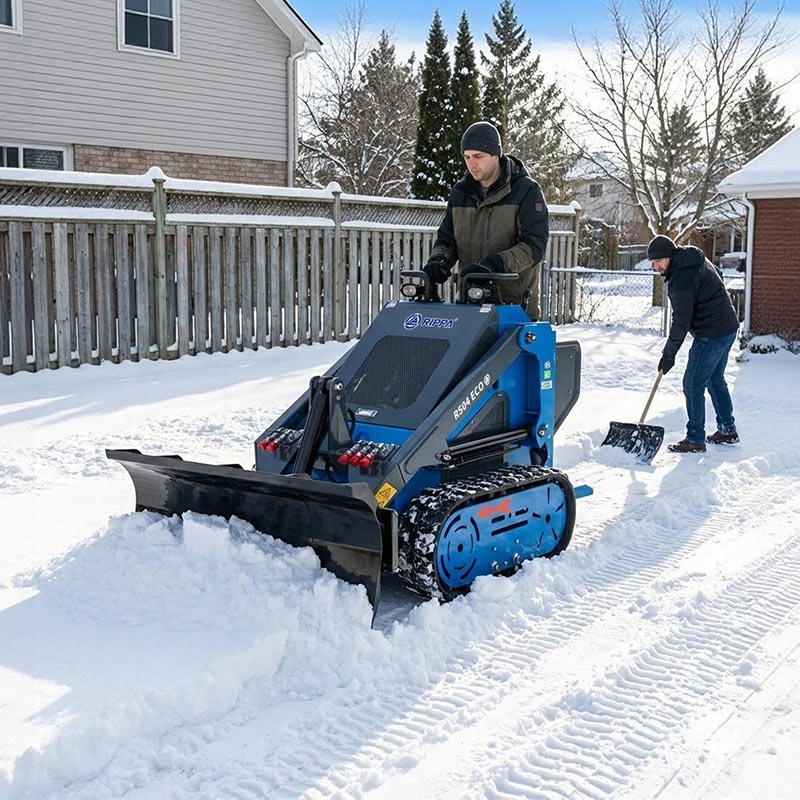
Electrical Systems, Tires, and Component Maintenance
Modern skid steers rely heavily on complex electrical systems, including sensors that monitor temperature and hydraulic pressure. Issues such as flickering lights or erratic control behavior often point to damaged wiring or a failing control module. Because these systems are sensitive, it is recommended to have a qualified technician handle repairs involving software updates or control modules. However, simple fixes like replacing a blown fuse or tightening a loose battery connection can often resolve minor electrical glitches quickly.
Tires and structural components like the bucket and drive chains also require constant vigilance. In rough terrain, tires are prone to punctures from sharp debris or uneven wear from excessive spinning on hard surfaces. Utilizing foam-filled or solid tires in high-risk areas can prevent flat-tire delays. Furthermore, the bucket's cutting edge and teeth should be inspected for cracks or bending, as worn attachments decrease digging efficiency and increase fuel consumption.
Drive chains and belts play a crucial role in transferring power to the wheels and auxiliary systems. A high-pitched squealing sound often indicates a loose or slipping belt, while grinding noises may signal that the drive chains need lubrication or tensioning. Keeping these parts clean and properly greased prevents rust and premature stretching. By following a structured maintenance schedule—including daily checks of fluid levels and weekly inspections of hoses—operators can transform their equipment from a source of stress into a reliable asset for years to come.