What Is an Excavator? How to Choose the Right Model for Your Project Needs
What Is an Excavator? Complete Guide to Types and Choosing the Right Model
Excavators are one of the most essential machines in modern construction, widely used across industries such as infrastructure, agriculture, mining, and landscaping. Whether you are a contractor or a distributor looking for reliable equipment, understanding how excavators work and how to choose the right model is critical.
This guide explains everything you need to know—from basic definitions to expert selection tips—helping you make informed decisions for your project needs.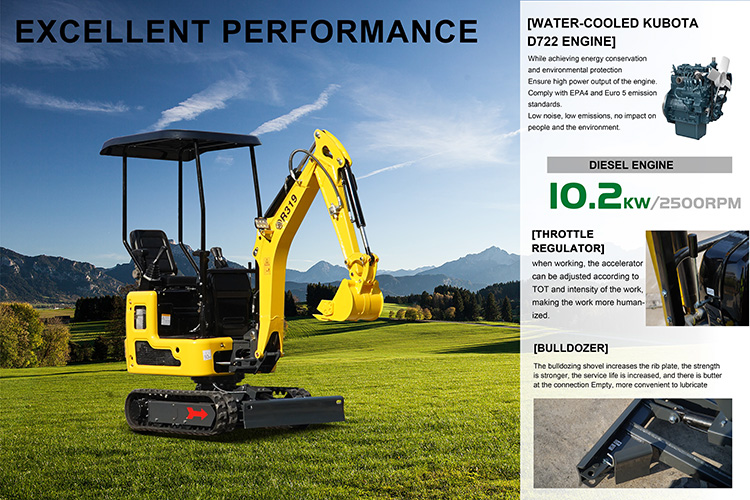
What Is an Excavator?
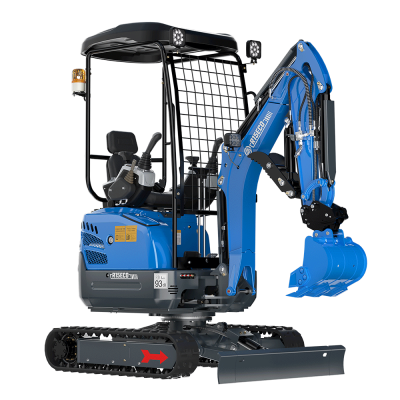
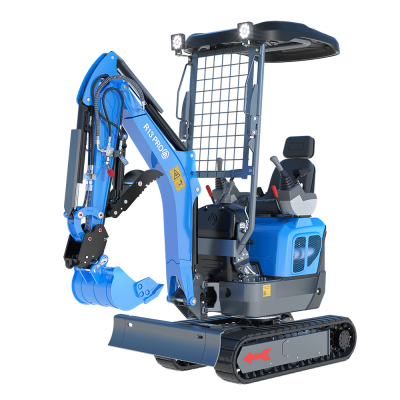
An excavator is a heavy construction machine designed primarily for digging, trenching, lifting, and material handling. It consists of several key components:
Boom
Arm (stick)
Bucket
Cab (operator cabin)
Undercarriage (tracks or wheels)
Modern excavators are powered by hydraulic systems, enabling precise and powerful movements. Thanks to their versatility, they can be equipped with attachments such as augers, breakers, and grapples.
Types of Excavators
Mini Excavators
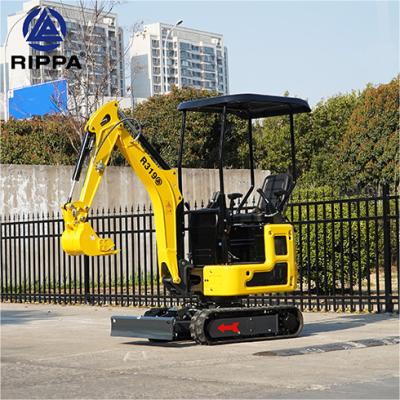
Mini excavators (typically under 6 tons) are compact, fuel-efficient, and ideal for small projects such as landscaping, urban construction, and residential work.
Crawler Excavators
These machines run on tracks and provide excellent stability for heavy-duty tasks like mining and large-scale construction.
Wheeled Excavators
Designed for urban environments, wheeled excavators offer mobility and speed on paved surfaces.
Long Reach Excavators
Used for demolition and dredging, these machines feature extended arms for hard-to-reach areas.
How to Choose the Right Excavator
Selecting the right excavator depends on multiple factors. Here’s a professional breakdown:
1. Project Size and Scope
Small residential jobs → Mini excavator
Medium construction → 3–10 ton excavator
Large infrastructure → 20+ ton excavator
2. Job Site Conditions
Narrow or confined spaces → Compact design
Rough terrain → Tracked excavator
Urban roads → Wheeled excavator
3. Attachments Compatibility
Choose a machine that supports multiple attachments to increase ROI and versatility.
4. Fuel Efficiency and Emissions
Modern buyers prioritize machines that comply with EPA and EU Stage V standards, ensuring environmental compliance and cost savings.
5. Supplier Reliability
Choosing a trusted manufacturer ensures better after-sales support, spare parts availability, and long-term value.
Why Mini Excavators Are in High Demand
Mini excavators have become increasingly popular due to:
Compact size for tight spaces
Lower fuel consumption
Easy transportation
Reduced maintenance costs
Brands like RIPPA offer a wide range of mini excavators designed for global markets, combining affordability with high performance.
Expert Tips for Buyers
Always test machine stability and hydraulic response
Evaluate operator comfort and safety features
Compare total cost of ownership—not just purchase price
Work with manufacturers offering global support and fast delivery
Conclusion
Understanding what an excavator is and how to choose the right model can significantly impact your project efficiency and profitability. Whether you need a compact mini excavator or a heavy-duty machine, selecting the right equipment ensures better performance and long-term success.