How to Operate a Mini Excavator: A Beginner’s Step-by-Step Safety Guide
How to Operate a Mini Excavator Safely: Beginner’s Step-by-Step Guide
Operating a mini excavator may seem simple, but improper use can lead to costly damage or serious accidents. This beginner-friendly guide walks you through the correct steps, ensuring safe and efficient operation.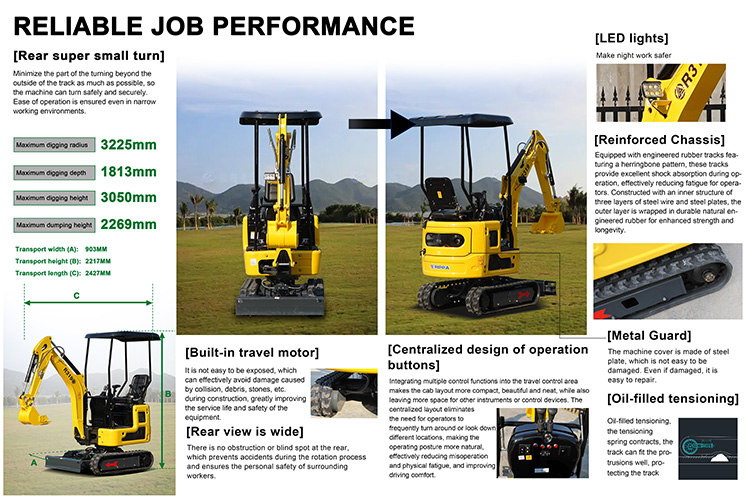
Understanding Mini Excavator Controls
Before starting, familiarize yourself with key controls:
Joysticks: Control boom, arm, and bucket
Foot pedals: Operate tracks
Throttle: Controls engine speed
Safety lock lever: Prevents accidental movement
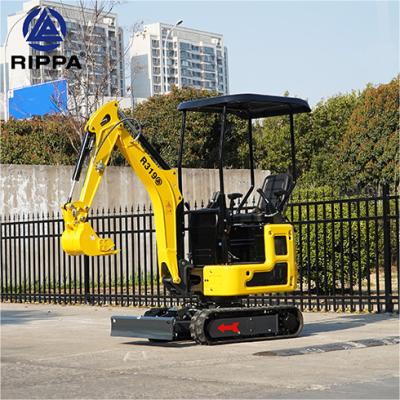
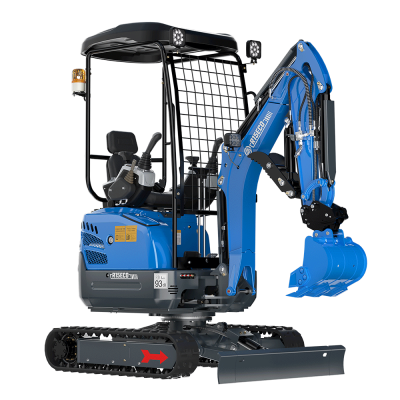
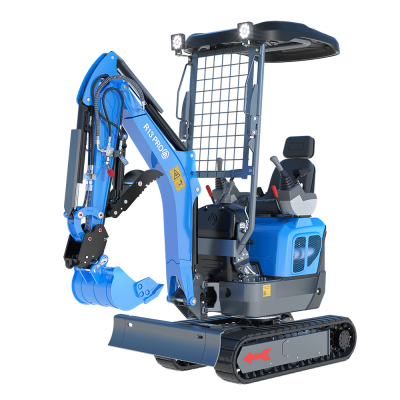
Modern mini excavators, including those from RIPPA, feature ergonomic designs that simplify operation.
Step-by-Step Guide to Operating a Mini Excavator
Step 1 – Perform a Pre-Operation Inspection
Check fuel, oil, and hydraulic fluid levels
Inspect tracks and attachments
Ensure no leaks or loose components
Step 2 – Enter the Cab Safely
Always maintain three points of contact when entering or exiting the machine.
Step 3 – Start the Machine
Insert the key and start the engine
Allow the machine to warm up
Release the safety lock
Step 4 – Learn Basic Movements
Left joystick: controls boom and swing
Right joystick: controls arm and bucket
Practice slow, controlled movements
Step 5 – Digging Operation
Position the bucket
Lower the boom
Pull the arm inward
Curl the bucket to scoop material
Step 6 – Dumping Material
Swing the boom to the desired location and release the bucket smoothly.
Essential Safety Tips
Maintain Stability
Always operate on stable ground and avoid steep slopes.
Keep a Safe Distance
Ensure no workers are within the machine’s operating radius.
Avoid Overloading
Exceeding load limits can cause tipping or mechanical damage.
Use Proper PPE
Wear helmets, gloves, and safety boots at all times.
Common Mistakes to Avoid
Operating too fast without control
Ignoring maintenance checks
Working on uneven ground without caution
Using incorrect attachments
Why Training Matters
Even though mini excavators are easier to operate than larger machines, proper training improves efficiency, reduces wear, and ensures safety. Many professional contractors prefer machines with intuitive controls and strong safety systems, such as those offered by RIPPA.
Conclusion
Learning how to operate a mini excavator safely is essential for beginners and professionals alike. By following this step-by-step guide and prioritizing safety, you can maximize productivity while minimizing risks.