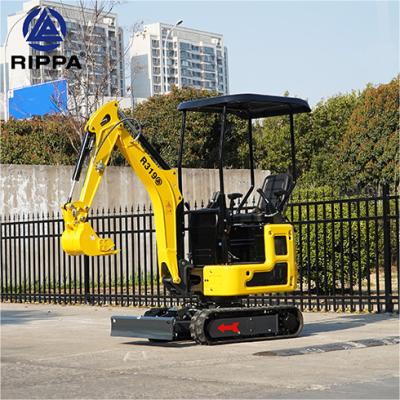
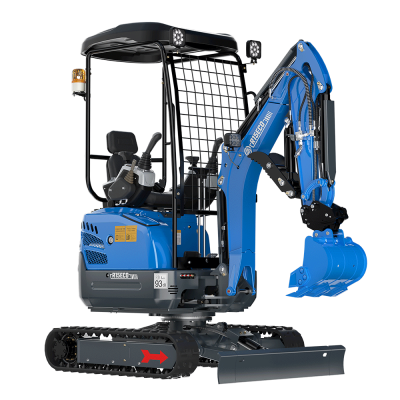
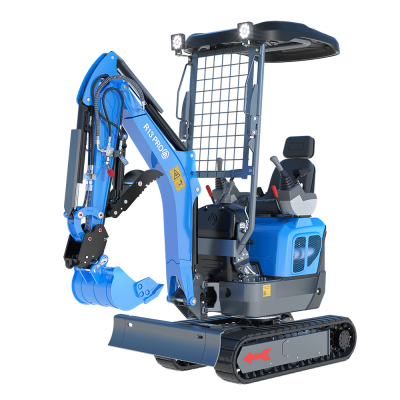
An excavator is one of the most versatile and essential machines in the construction, landscaping, agriculture, and infrastructure industries. Whether you are preparing a building site, digging trenches, clearing land, or handling heavy materials, an excavator can significantly improve productivity while reducing manual labor.
Today, excavators are available in a wide range of sizes and configurations, allowing contractors, farmers, rental companies, and property owners to choose a machine that fits their specific needs. Among them, mini excavators have become increasingly popular because they combine powerful performance with compact dimensions, making them suitable for projects where space is limited.
As a professional manufacturer of construction equipment, RIPPA offers excavators designed to meet the needs of customers around the world. This guide explains what an excavator is, how it works, its different types, common applications, and the key factors to consider before purchasing one.
What Is an Excavator?
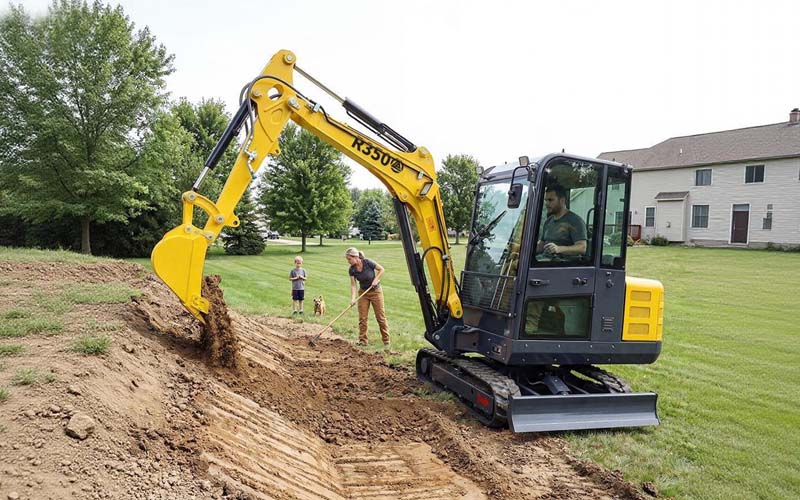
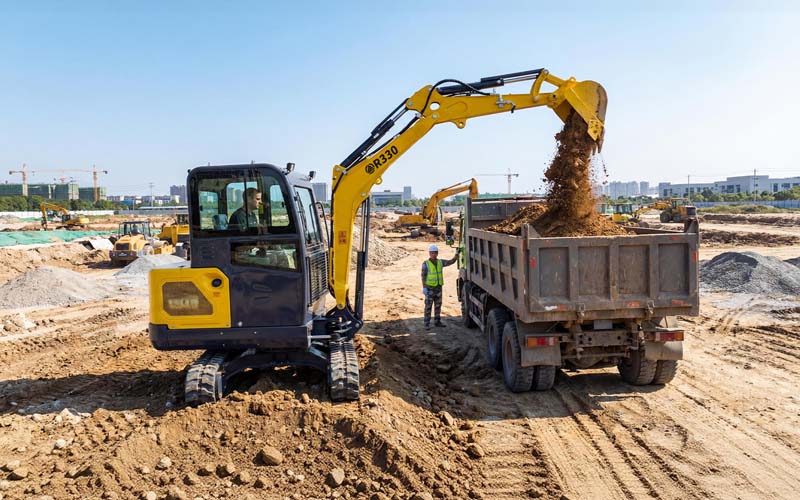
An excavator is a hydraulic construction machine primarily designed for digging earth, rocks, and other materials. Unlike traditional digging equipment, an excavator uses hydraulic power to move its boom, arm, and bucket with precision and efficiency.
Modern excavators are capable of much more than excavation. With the right attachment, they can perform demolition, grading, lifting, drilling, trenching, landscaping, forestry work, and material handling.
Their versatility makes them one of the most valuable investments for contractors across multiple industries.
How Does an Excavator Work?
An excavator operates through a hydraulic system that converts engine power into hydraulic pressure. This pressure drives cylinders and hydraulic motors, allowing the machine to perform smooth and powerful movements.
The operator controls several main functions:
Boom
The boom raises and lowers the working equipment, providing vertical reach.
Arm
The arm extends the working distance and positions the attachment accurately.
Bucket
The bucket performs digging, loading, grading, and material handling. Different bucket designs are available for various soil and job conditions.
Undercarriage
The undercarriage supports the machine and provides mobility. Most excavators use tracks for excellent stability on uneven ground, while wheeled models are suitable for paved surfaces and urban environments.
Types of Excavators
Different jobs require different excavator sizes and configurations.
Mini Excavators
Mini excavators are compact machines commonly used for:
Their compact size allows them to work in confined spaces while minimizing ground disturbance.
Medium Excavators
Medium excavators are widely used on commercial construction sites and municipal infrastructure projects. They offer an excellent balance between power and flexibility.
Large Excavators
Large excavators are designed for demanding applications such as mining, quarry operations, highway construction, and large-scale earthmoving projects.
Wheeled Excavators
Instead of tracks, wheeled excavators travel on rubber tires, making them ideal for projects that require frequent movement on paved roads.
Long Reach Excavators
Long reach excavators feature extended booms and arms for dredging, river maintenance, slope stabilization, and demolition projects where additional reach is required.
Common Applications of Excavators
One reason excavators remain indispensable is their ability to perform a wide variety of tasks.
Construction
Excavators are commonly used for:
Site preparation
Foundation excavation
Basement digging
Utility trenching
Backfilling
Material loading
Agriculture
Farmers use excavators for:
Drainage projects
Pond construction
Land clearing
Fence installation
Irrigation systems
Tree removal
Landscaping
Landscape contractors rely on excavators for:
Municipal Projects
Cities and utility companies use excavators for road maintenance, pipeline installation, drainage improvements, and public infrastructure development.
Why Mini Excavators Are Becoming More Popular
The demand for mini excavators continues to grow worldwide because they provide excellent versatility for both professionals and private users.
Their advantages include:
Easy Transportation
Compact machines are easier to transport between job sites, reducing logistical challenges.
Excellent Maneuverability
Mini excavators can access narrow pathways, residential backyards, and confined urban spaces where larger machines cannot operate efficiently.
Lower Operating Costs
Smaller machines generally consume less fuel and require fewer operating resources, making them cost-effective for everyday projects.
Multiple Attachment Options
A single mini excavator can perform many different tasks by switching between compatible attachments, increasing utilization and return on investment.
Choosing the Right Excavator
Selecting the right excavator depends on your intended applications rather than simply choosing the largest machine available.
Important considerations include:
Project Type
Think about the work you perform most often. Residential landscaping requires different capabilities than commercial earthmoving.
Working Environment
Consider site access, ground conditions, transportation requirements, and available operating space.
Attachment Compatibility
Many contractors benefit from machines that support a variety of attachments, allowing one excavator to complete multiple tasks.
Fuel Efficiency
Efficient hydraulic systems and modern engine technology can help reduce operating expenses over the machine's lifetime.
Maintenance Convenience
Machines designed with accessible service points simplify routine inspections and maintenance, helping minimize downtime.
Manufacturer Reputation
Choosing a reliable manufacturer ensures consistent product quality, dependable parts availability, and professional technical support.
Why Professionals Choose RIPPA Excavators
As the construction industry continues to evolve, buyers increasingly look for equipment that balances performance, durability, and value.
RIPPA has established itself as a trusted manufacturer by developing excavators that meet the needs of contractors, dealers, agricultural businesses, rental companies, and infrastructure professionals across global markets.
RIPPA excavators are designed with several key priorities:
Reliable Performance
Stable hydraulic systems help operators complete demanding work efficiently across a wide range of job sites.
Operator Comfort
Comfortable control layouts, clear visibility, and ergonomic working environments contribute to higher productivity throughout the workday.
Versatility
RIPPA excavators support multiple attachments, enabling one machine to perform excavation, grading, demolition, lifting, landscaping, and material handling.
Global Market Experience
With customers in many countries, RIPPA understands the diverse requirements of different industries and continuously improves its equipment to meet changing market demands.
Tips for Operating an Excavator Safely
Safe operation protects both the operator and the equipment.
Follow these best practices:
Inspect the machine before each shift.
Confirm that attachments are securely installed.
Be aware of underground utilities before digging.
Operate on stable ground whenever possible.
Avoid overloading the bucket.
Maintain a safe distance from nearby workers and obstacles.
Follow the manufacturer's operating guidelines.
Regular inspections and responsible operation help improve efficiency while reducing unnecessary wear.
Maintaining Your Excavator
Routine maintenance is essential for maximizing machine performance.
A regular maintenance program should include:
Checking hydraulic fluid levels
Inspecting hoses and fittings
Cleaning the machine after use
Lubricating moving components
Examining bucket teeth and cutting edges
Inspecting tracks or tires for wear
Replacing worn components before they affect productivity
Preventive maintenance helps reduce downtime and extends the working life of the machine.
Conclusion
An excavator is far more than a digging machine. It is a versatile piece of equipment capable of supporting construction, agriculture, landscaping, municipal projects, and many other industries. Choosing the right excavator involves evaluating your working environment, project requirements, attachment needs, and long-term operating goals.
For businesses seeking dependable, efficient, and versatile construction equipment, RIPPA provides excavators designed to deliver reliable performance across a wide range of applications. Whether you need a compact machine for residential work or equipment for larger commercial projects, selecting a trusted manufacturer is an important step toward improving productivity and achieving lasting value.
Frequently Asked Questions
What is an excavator mainly used for?
An excavator is primarily used for digging, trenching, grading, demolition, lifting, landscaping, and material handling. With different attachments, it can perform many specialized tasks across construction and agricultural projects.
Is a mini excavator suitable for homeowners?
Yes. Mini excavators are ideal for homeowners who need equipment for landscaping, drainage improvements, tree planting, fence installation, and other property maintenance projects because they are compact and easy to maneuver.
Can one excavator use different attachments?
Yes. Most modern excavators are compatible with a variety of attachments, including buckets, hydraulic breakers, augers, grapples, rippers, and grading tools, allowing one machine to handle multiple applications.
How do I choose the right excavator?
Consider your project type, available workspace, transportation requirements, attachment compatibility, maintenance needs, and the reputation of the manufacturer before making a purchasing decision.
Why choose RIPPA excavators?
RIPPA excavators combine reliable performance, versatile applications, operator-friendly design, and dependable manufacturing quality, making them a practical choice for contractors, dealers, farmers, and equipment rental businesses worldwide.
Contact RIPPA Today
Looking for a reliable excavator for your next project? Visit the RIPPA official website to explore the complete range of excavators and construction equipment. Contact our team today to request a quotation, learn more about our solutions, and find the right machine for your business needs.