Wheel Loader Bucket Types: How to Choose the Right Bucket for Your Job
Choosing the right wheel loader bucket can make a significant difference in loading efficiency, material handling, and daily jobsite productivity. A bucket designed for loose materials may not be the best option for handling dense gravel or working with different construction materials.
For contractors, equipment buyers, and machinery distributors, understanding common wheel loader bucket types is an important part of selecting suitable equipment.
This guide explains the main bucket categories, where they are commonly used, and what buyers should consider before making a purchasing decision.
1. What Are the Main Types of Wheel Loader Buckets?
Wheel loader buckets are designed for different materials and working conditions. Although designs vary between manufacturers, several common categories are widely used in construction, agriculture, landscaping, and material handling.
General-Purpose Bucket
A general-purpose bucket is commonly used for everyday loading tasks. It can handle materials such as soil, sand, and loose construction materials.
Typical applications include:
Loading loose soil and sand
Moving materials around construction sites
Loading trucks
General earthmoving operations
For contractors handling different types of projects, a general-purpose bucket offers flexibility across routine tasks.
Rock Bucket
Rock buckets are designed for applications involving rocks, coarse aggregates, and other challenging materials.
Their structure and openings are intended to help separate certain materials while retaining larger rocks. Buyers working in quarries, aggregate yards, and demanding construction environments may consider this type of bucket.
Light Material Bucket
Light material buckets are used for handling materials with relatively low density but larger volumes.
Common applications include:
Agricultural materials
Wood chips
Snow
Other loose, lightweight materials
The main consideration is whether the bucket design suits the material volume and operating conditions.
High-Dump Bucket
High-dump buckets are designed to provide additional dumping height for specific material-handling applications.
They may be considered when loading trucks, containers, or equipment where standard dumping height is insufficient. Buyers should confirm compatibility with the loader and the intended working conditions before purchasing.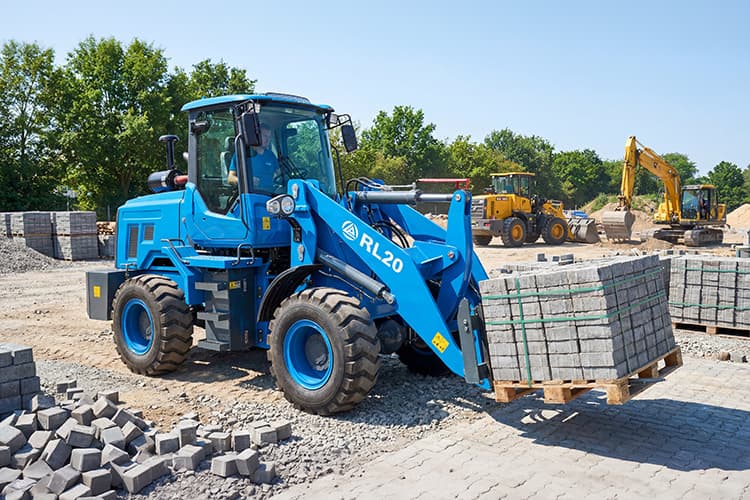
2. Which Wheel Loader Bucket Is Best for Different Materials?
There is no single bucket that is ideal for every material. The right choice depends on material density, jobsite conditions, loading frequency, and the machine's capabilities.
| Material or Task | Bucket Type to Consider |
|---|---|
| Loose soil | General-purpose bucket |
| Sand and gravel | General-purpose or suitable heavy-duty bucket |
| Large rocks | Rock bucket |
| Wood chips | Light material bucket |
| Agricultural materials | Light material bucket |
| Loading into higher-sided containers | High-dump bucket |
This table provides general guidance rather than a universal specification. Actual suitability depends on the bucket design, machine compatibility, and operating environment.
3. Five Factors to Check Before Choosing a Wheel Loader Bucket
Selecting a bucket based only on its appearance or capacity can lead to an unsuitable purchase. Buyers should evaluate several practical factors.
Material Density
Different materials place different demands on the bucket and loader. Dense materials require careful consideration of the machine's operating capacity and the bucket's suitability.
Bucket Capacity
A larger bucket does not automatically mean higher productivity. The bucket should be matched to the machine and the materials being handled.
An unsuitable combination may affect stability, operating efficiency, and machine performance.
Jobsite Conditions
Consider whether the machine will operate on paved surfaces, loose soil, gravel yards, or uneven construction sites. Ground conditions influence loading methods and equipment selection.
Attachment Compatibility
Before ordering a replacement or additional bucket, confirm the attachment interface and compatibility with the specific wheel loader.
Distributors should verify this information with the manufacturer rather than assuming that buckets from different machines are interchangeable.
Maintenance and Durability
For frequent material-handling operations, buyers should consider bucket construction, wear areas, maintenance requirements, and the availability of replacement parts.
4. Common Buying Mistakes to Avoid
Several mistakes can affect equipment purchasing decisions:
Choosing a bucket based only on maximum capacity.
Ignoring the density and characteristics of the materials.
Purchasing an attachment without checking machine compatibility.
Using a specialized bucket for applications it was not designed for.
Overlooking maintenance and wear-part considerations.
For equipment distributors, understanding the customer's actual working conditions is often more useful than recommending the largest available bucket.
5. What Should Dealers Ask Before Recommending a Wheel Loader Bucket?
Dealers and machinery suppliers can improve their recommendations by asking customers a few direct questions:
What materials will the wheel loader handle most frequently?
Will the machine operate on a construction site, farm, quarry, or material yard?
Does the customer need general loading or a specialized application?
What wheel loader model and attachment interface are involved?
How frequently will the bucket be used?
These questions help narrow down suitable options and reduce the risk of purchasing incompatible equipment.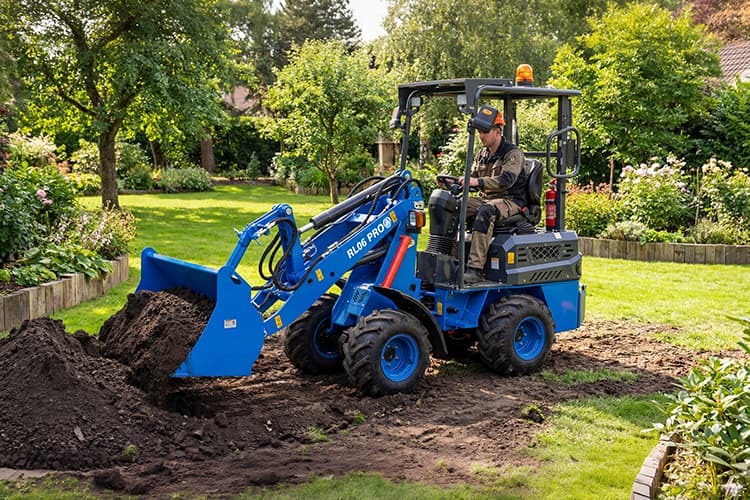
6. Frequently Asked Questions
What is the most common wheel loader bucket type?
General-purpose buckets are widely used because they can handle many routine loading and material-handling tasks. However, the best option depends on the application.
Can one wheel loader bucket handle different materials?
Yes. A general-purpose bucket can handle several types of loose materials. Specialized buckets may provide better suitability for particular applications.
How do I choose a bucket for gravel?
Consider the gravel size, material density, loading frequency, and the machine's capabilities. Confirm that the bucket is suitable for the intended operating conditions.
Are wheel loader buckets interchangeable?
Not necessarily. Attachment interfaces, machine compatibility, and operating requirements must be checked before purchasing.
Conclusion
Choosing between different wheel loader bucket types starts with understanding the material, jobsite, and intended application. General-purpose, rock, light material, and high-dump buckets each serve different operational needs.
For contractors, the goal is to select a bucket that matches daily work requirements. For distributors, understanding these differences makes it easier to recommend suitable wheel loader configurations to customers.
RIPPA Group provides construction machinery solutions for international markets. Buyers and equipment distributors can contact the team to discuss product options and their application requirements.