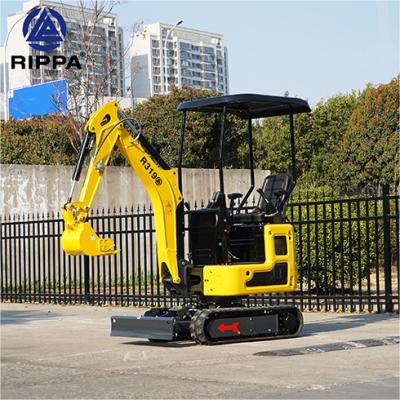
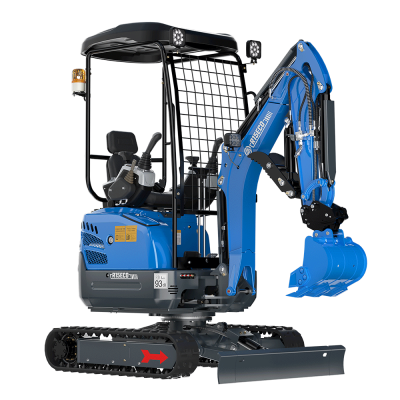
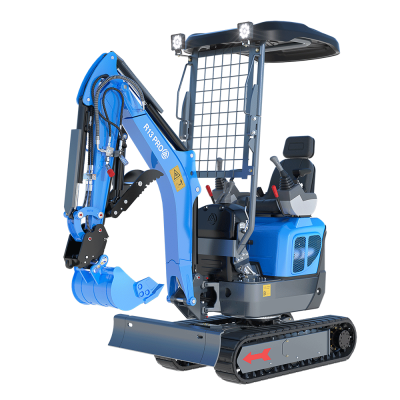
Mini Excavator for Sale: What Should Buyers Check Before Choosing a Supplier?
Finding a mini excavator for sale is only the first step in purchasing the right machine. Contractors, equipment dealers, and importers also need to consider working conditions, machine suitability, supplier reliability, and long-term parts support.
A machine that works well for one construction project may not be suitable for another. Buyers should therefore compare more than product photos or advertised prices before making a decision.
This guide explains what to look for when purchasing a mini excavator and how to evaluate manufacturers and suppliers for business or jobsite use.
1. Identify the Type of Work Before Choosing a Mini Excavator
The intended application should guide the purchasing decision. Mini excavators are used across residential construction, landscaping, agriculture, utility work, and property maintenance.
Different projects place different demands on the machine.
Residential Construction
Residential contractors often work in restricted spaces around buildings, driveways, fences, and landscaping. A compact machine can be useful where larger excavators have difficulty accessing the work area.
Buyers should consider the available operating space, access routes, digging requirements, and ground conditions.
Landscaping and Property Improvement
Landscaping projects may involve soil removal, garden preparation, drainage work, and small-scale excavation.
For these applications, buyers should consider maneuverability and whether the machine can work efficiently without causing unnecessary disturbance to the surrounding area.
Agricultural Applications
Farm operators may use mini excavators for drainage channels, irrigation-related work, small earthmoving tasks, and property maintenance.
The machine should be selected according to the terrain, frequency of use, and range of tasks it will perform.
Utility and Drainage Work
Utility contractors may need equipment for narrow trenches, drainage preparation, and work around existing structures.
Before purchasing, consider trench dimensions, underground utility locations, site access, and the machine's suitability for the intended work.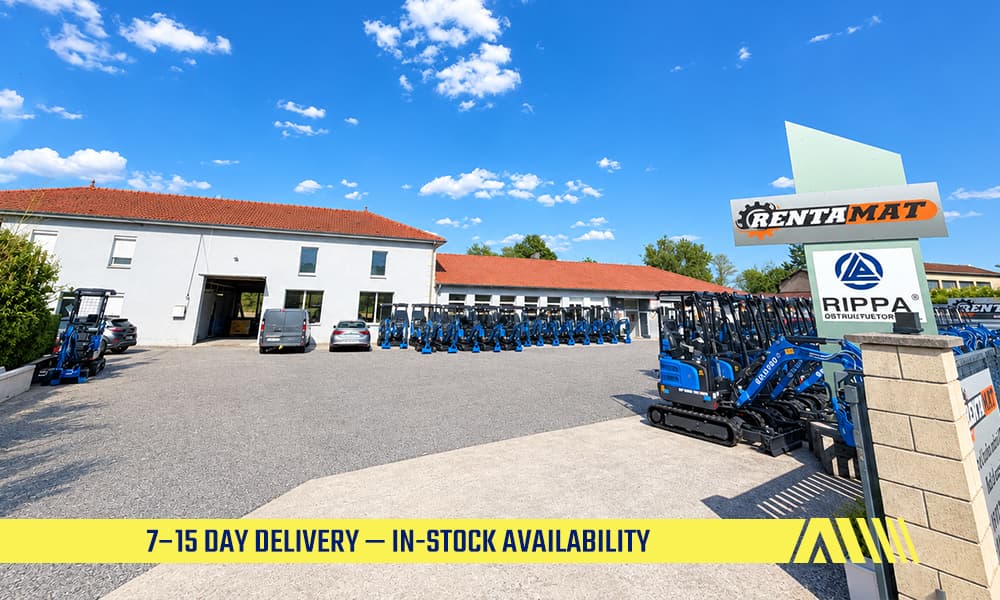
2. How to Choose the Right Mini Excavator Size
One of the most important decisions is selecting a machine size that matches the jobsite.
A smaller excavator may be easier to transport and maneuver in confined spaces, while a larger compact excavator may be more suitable for projects requiring greater working capacity.
A 2 ton mini excavator, for example, may attract buyers looking for a balance between compact dimensions and practical construction applications. However, the right choice depends on the actual machine configuration and project requirements.
Before selecting a size, evaluate:
Working space: Measure entrances, pathways, and areas where the machine needs to operate.
Digging requirements: Consider the depth, width, and frequency of excavation work.
Ground conditions: Identify whether the site involves soft soil, gravel, uneven ground, or paved surfaces.
Transportation: Check the machine's transport requirements and available trailer arrangements.
Attachment needs: Determine whether additional attachments are required for the planned applications.
Do not choose an excavator based on weight class alone. Compare the manufacturer's actual product information and confirm that the machine is appropriate for the intended work.
3. Compare Mini Excavator Manufacturers and Suppliers
When searching for a mini excavator for sale, buyers may encounter manufacturers, exporters, local dealers, and equipment distributors.
Understanding the differences helps avoid purchasing decisions based only on the lowest quotation.
Check the Manufacturer's Background
A reliable manufacturer should be able to provide identifiable company information, product documentation, and clear communication about its manufacturing operations.
Buyers can ask:
Where is the equipment manufactured?
What machine categories does the company produce?
Can the supplier provide current product documentation?
Does the manufacturer have experience serving overseas markets?
Can the supplier explain the available product configurations?
Review Product Information
Product information should be clear enough for buyers to compare machines accurately.
Request details about the machine configuration, engine options where applicable, operating capabilities, attachment compatibility, and relevant documentation.
Avoid relying on incomplete product listings or specifications that cannot be confirmed by the supplier.
Evaluate Communication and Parts Support
For distributors and contractors, communication after the initial quotation is important.
Before placing an order, clarify how the supplier handles parts inquiries, technical questions, documentation requests, and product-related support.
The available support arrangements should be confirmed directly rather than assumed.
4. What Should Dealers Consider When Buying Mini Excavators in Bulk?
For equipment dealers and importers, purchasing decisions involve more than selecting one machine.
A wholesale purchase should take into account local market demand, product positioning, customer applications, and the supplier's ability to support an ongoing business relationship.
Important considerations include:
Local demand: Identify which excavator categories are relevant to customers in the target market.
Product range: Consider whether the supplier offers machines that serve different customer requirements.
Documentation: Confirm the commercial, shipping, and product documents required for importing.
Parts availability: Discuss the process for ordering replacement parts and identifying compatible components.
Business terms: Review minimum order requirements, payment arrangements, shipping responsibilities, and other commercial conditions.
Distributors should request a detailed quotation and confirm all purchase conditions before committing to an order.
5. Common Mistakes When Buying a Mini Excavator
Even experienced equipment buyers can overlook important details when comparing suppliers.
Common mistakes include:
Choosing a machine based only on the advertised price.
Ignoring access restrictions at the intended jobsite.
Comparing machines without checking their actual configurations.
Failing to confirm attachment compatibility.
Overlooking import documentation and transportation arrangements.
Assuming that every supplier provides the same parts and technical support.
A structured comparison makes it easier to identify a machine that fits both the application and the purchasing budget.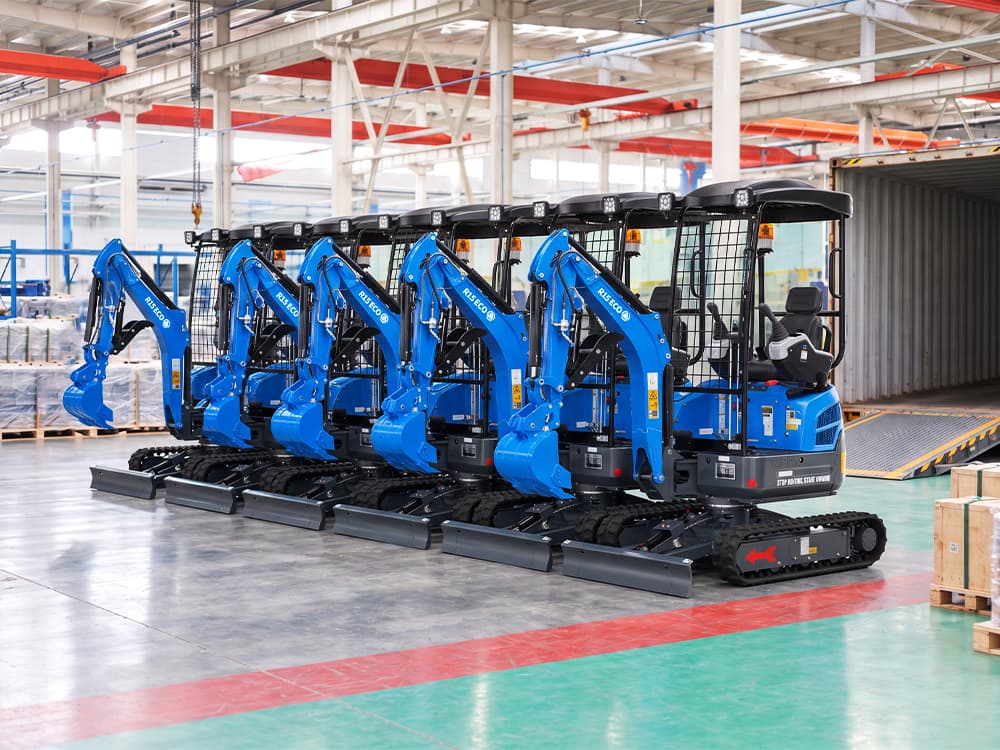
6. Frequently Asked Questions
Where can I find a mini excavator for sale?
Buyers can compare equipment manufacturers, authorized distributors, and machinery suppliers. Check company information, product documentation, and purchasing conditions before choosing a supplier.
Is a 2 ton mini excavator suitable for construction?
A 2 ton mini excavator can be considered for certain compact construction and landscaping applications. Its suitability depends on the working space, digging requirements, ground conditions, and actual machine configuration.
What should I check before buying a mini excavator?
Review the intended application, machine size, product configuration, manufacturer background, documentation, attachment compatibility, and available parts support.
Should dealers buy directly from a manufacturer?
Direct purchasing may help distributors communicate with the source of the equipment and discuss product range and commercial cooperation. Buyers should still evaluate manufacturing capability, documentation, business terms, and support arrangements.
Conclusion
Searching for a mini excavator for sale should involve more than comparing prices. Buyers need to identify their applications, select an appropriate machine size, verify product information, and evaluate the supplier's ability to support the purchase.
For contractors, the priority is finding equipment suited to daily work. For importers and dealers, the priority is establishing a dependable supply relationship and selecting products that meet local market needs.
RIPPA Group supplies construction machinery to international markets, including mini excavators and other equipment categories. Contractors, importers, and distributors can contact the company to discuss product options and potential business cooperation.