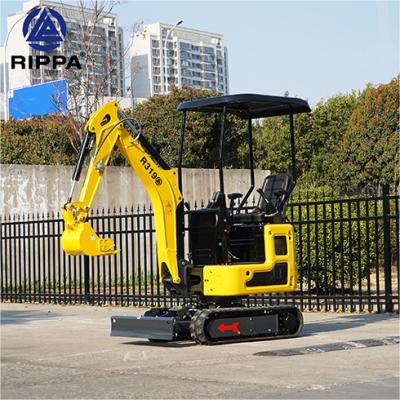
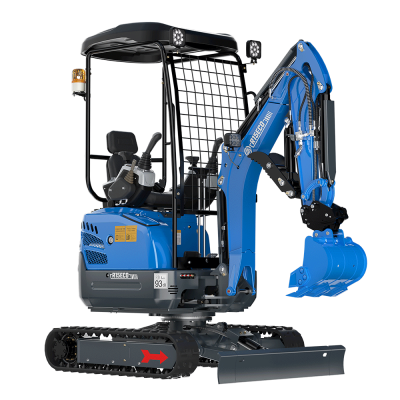
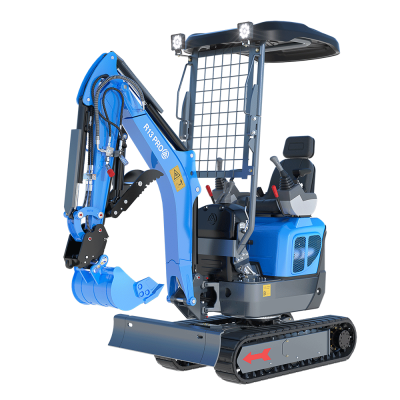
RIPPA Skid Steer: How to Choose the Right Loader for Your Business
A skid steer loader is a versatile piece of compact construction equipment used for material handling, site preparation, landscaping, and property maintenance. Its compact design and attachment options make it useful for businesses that need one machine to perform different tasks across multiple job sites.
When considering a RIPPA skid steer, buyers should look beyond the machine's appearance and purchase price. The right choice depends on the working environment, required attachments, material handling needs, and the supplier's ability to provide clear product information.
This guide explains how contractors, equipment dealers, and importers can evaluate a skid steer loader before purchasing.
1. What Is a Skid Steer Loader Used For?
A skid steer loader is designed to handle a variety of jobs with the appropriate attachments. It is commonly used in construction, landscaping, agriculture, and general property maintenance.
Construction and Site Preparation
Construction businesses use skid steer loaders for moving materials, clearing work areas, loading loose materials, and supporting general site preparation.
On smaller jobsites, compact equipment can be particularly useful when working space is limited. Buyers should still confirm that the machine's dimensions and operating capabilities match the site requirements.
Landscaping and Ground Maintenance
Landscaping contractors may use a skid steer loader for moving soil, handling mulch, clearing debris, and preparing outdoor areas.
Different attachments can support different tasks, so buyers should identify the jobs they perform most frequently before selecting a machine.
Agriculture and Farm Work
Farm operators may use skid steer loaders to move materials, maintain working areas, and handle general property tasks. Attachment compatibility and the condition of the operating surface should be considered before purchasing.
Material Handling
For businesses that regularly move loose materials or supplies, a skid steer loader can support loading and handling operations. Buyers should compare the machine's actual rated capabilities with the materials and working conditions involved.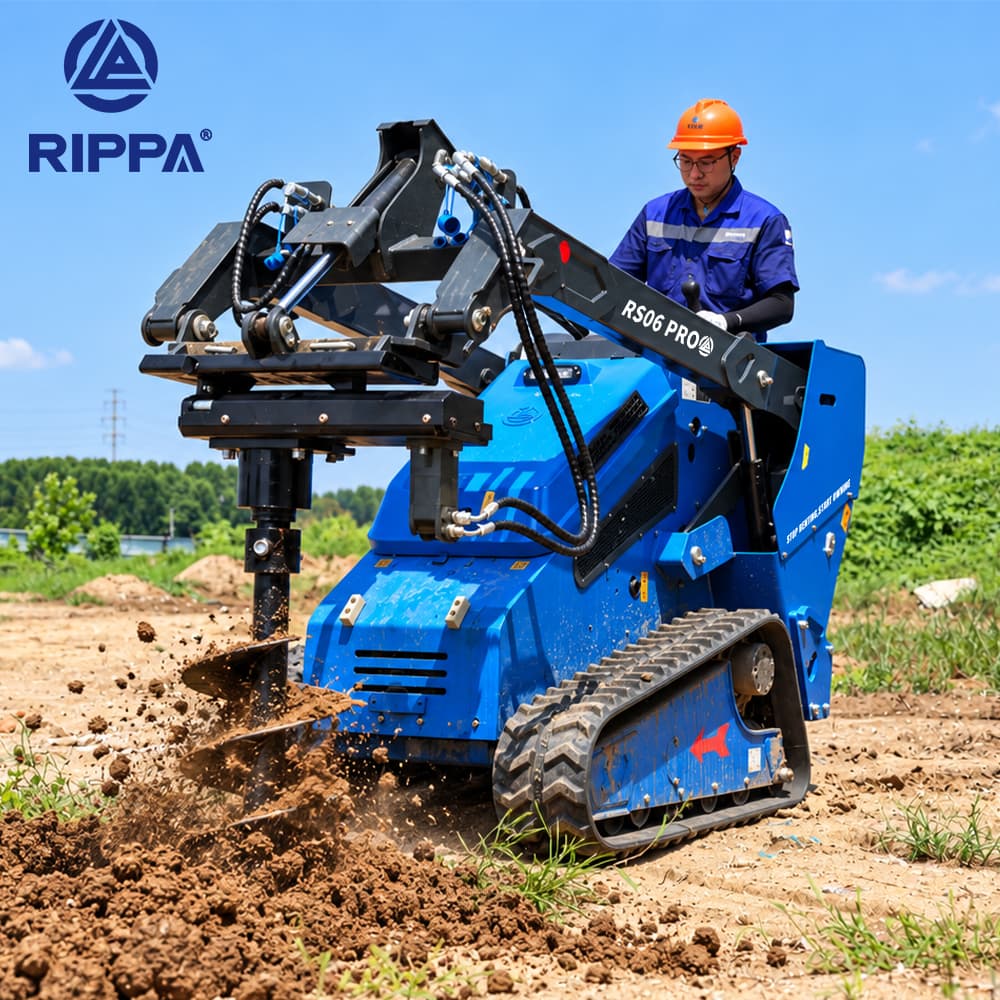
2. How to Choose a Skid Steer for Your Applications
Not every skid steer loader is suitable for every job. Before comparing products, define the main tasks the machine will perform.
Consider the following questions:
What materials will the machine handle?
Will it work mainly indoors, outdoors, or on mixed surfaces?
Are there narrow access routes or restricted working areas?
Which attachments are necessary for daily operations?
How frequently will the machine be used?
Will it be transported between different job sites?
These questions help buyers identify the equipment category and configuration that best match their requirements.
A contractor handling landscaping projects may prioritize compact dimensions and attachment options. A business focused on material handling may place greater importance on rated operating capacity and loading requirements.
3. Why Attachment Compatibility Matters
One of the main advantages of a skid steer loader is its ability to work with different attachments. However, attachment availability alone does not guarantee compatibility.
Before placing an order, confirm:
Attachment Availability
Ask which attachments can be supplied for the selected machine. Common attachment categories include buckets, forks, and equipment designed for specific ground preparation or material handling tasks.
Connection Compatibility
Confirm the attachment mounting system and hydraulic requirements where applicable. Do not assume that attachments from another manufacturer will fit without verification.
Intended Working Conditions
Choose attachments according to the materials, surfaces, and tasks involved. An attachment suitable for one application may not be appropriate for another.
For dealers, a clear understanding of attachment options also helps explain the product's potential applications to different customer groups.
4. What Should Buyers Compare When Purchasing a RIPPA Skid Steer?
When evaluating a RIPPA skid steer, compare the complete product configuration rather than relying on a general product category.
| Purchasing Factor | What to Check |
|---|---|
| Machine dimensions | Fit with access routes and working areas |
| Operating capacity | Suitability for intended material handling |
| Engine and components | Confirm the configuration offered |
| Attachment options | Availability and compatibility |
| Maintenance access | Convenience of routine inspection |
| Documentation | Product and export information |
| Parts arrangements | Ordering and identification process |
Buyers should request current product documentation and confirm that the specifications match the machine being quoted.
For international purchases, written confirmation of the configuration is especially important because different versions may be available for different markets.
5. How Equipment Dealers Can Evaluate a Skid Steer Supplier
For distributors and importers, choosing a supplier is a long-term business decision. A competitive product is important, but it is only one part of a successful equipment business.
Before working with a skid steer manufacturer, evaluate these areas:
Manufacturing background: Review the company's manufacturing experience, product range, and business information.
Product consistency: Check whether product specifications and configuration details are clearly documented.
Export experience: Understand whether the supplier has experience handling international orders and export documentation.
Parts communication: Ask how replacement parts are identified and ordered.
Dealer cooperation: Clarify ordering procedures, communication arrangements, and the information available to support local sales.
A reliable purchasing process should make it easy to confirm product details, discuss requirements, and resolve questions before an order is finalized.
6. Buying a Skid Steer Loader Directly from a Manufacturer
Buying directly from a manufacturer can be worth considering for equipment dealers, wholesalers, and businesses planning repeat purchases.
Direct communication allows buyers to discuss product configurations, attachment options, ordering requirements, and export arrangements with the manufacturer.
RIPPA Group is a construction machinery manufacturer based in Jining, Shandong, China. Its product range includes skid steer loaders, mini excavators, wheel loaders, and other construction equipment.
Businesses interested in RIPPA skid steer products can contact the company to request current product information and discuss purchasing or dealer cooperation requirements.
Frequently Asked Questions
What jobs can a skid steer loader perform?
A skid steer loader can support construction, landscaping, agriculture, site preparation, and material handling. Its actual applications depend on the machine configuration and compatible attachments.
What should I check before buying a skid steer loader?
Review machine dimensions, operating capacity, engine and component configuration, attachment compatibility, maintenance access, and supplier documentation.
Can one skid steer loader perform different tasks?
Yes, a skid steer loader can support multiple tasks when equipped with suitable compatible attachments. Buyers should verify attachment requirements before ordering.
What should equipment dealers ask a skid steer manufacturer?
Dealers should ask about available models, product configurations, attachment options, export documentation, parts ordering, and business cooperation arrangements.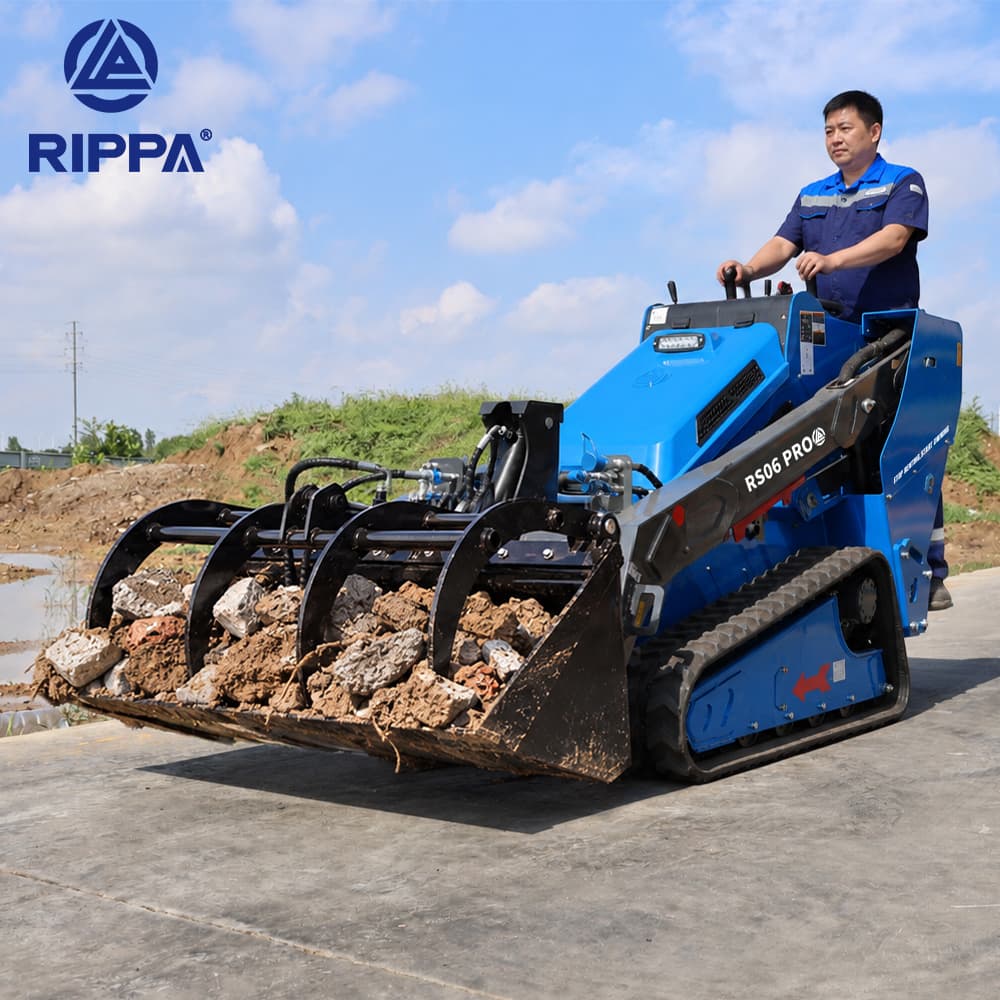
Conclusion
A RIPPA skid steer can be considered by contractors and equipment businesses looking for compact loading equipment with multiple application possibilities. The best purchasing decision depends on matching the machine to actual working requirements and confirming the complete configuration before ordering.
For equipment dealers and importers, evaluating the manufacturer's product information, export experience, and communication process is equally important. A structured comparison helps buyers make better decisions and build a more reliable equipment purchasing plan.