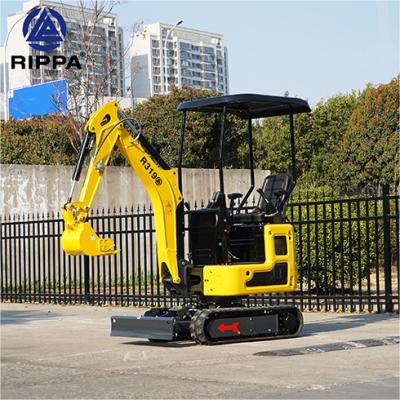
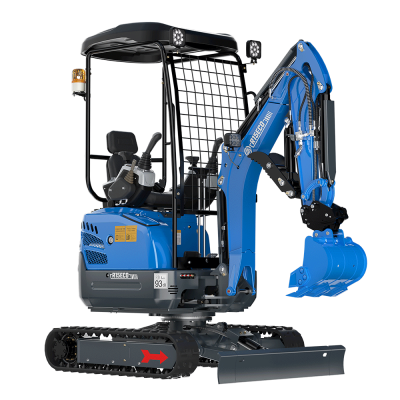
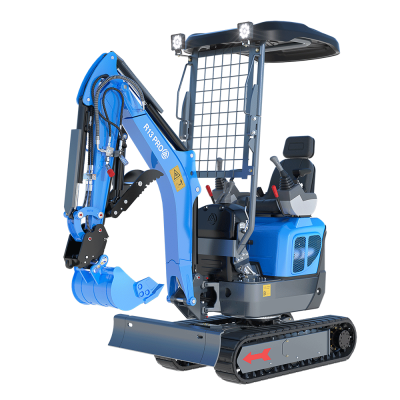
RIPPA Mini Excavator: How to Choose the Right Machine for Your Business
Choosing a RIPPA mini excavator starts with understanding the type of work you need to complete. Contractors may prioritize working capability and site access, while equipment dealers often focus on product selection, market demand, configuration options, and supplier cooperation.
A mini excavator should be evaluated as a complete piece of equipment rather than by its model name or appearance alone. Different projects require different machine configurations, and buyers should compare actual product information before making a purchasing decision.
This guide introduces the key considerations for selecting a RIPPA mini excavator and explains what contractors, dealers, and distributors should review before placing an order.
1. Why Consider a RIPPA Mini Excavator?
Mini excavators are widely used in projects where compact equipment is more practical than larger excavators. They can support a range of construction and property maintenance tasks while offering flexibility in working environments.
Common applications include:
Residential construction and renovation
Landscaping and garden preparation
Drainage and trenching projects
Agricultural property maintenance
Small-scale utility and infrastructure work
General excavation in restricted working areas
For contractors, the main consideration is whether the selected machine matches the working conditions. For dealers, it is important to understand which applications and customer groups are most relevant in their local markets.
2. How to Compare RIPPA Mini Excavator Models
Different mini excavator models may serve different customer requirements. Buyers should review the available product range and compare each model according to its intended application.
Compact Equipment for Restricted Spaces
Projects with narrow access routes or limited operating areas require particular attention to machine dimensions and maneuverability.
Before selecting a compact excavator, check:
Overall machine dimensions
Track configuration
Working reach and digging capability
Access conditions at the jobsite
Transportation arrangements
Do not assume that every compact machine will fit every restricted site. Confirm the actual dimensions and working information for the specific model.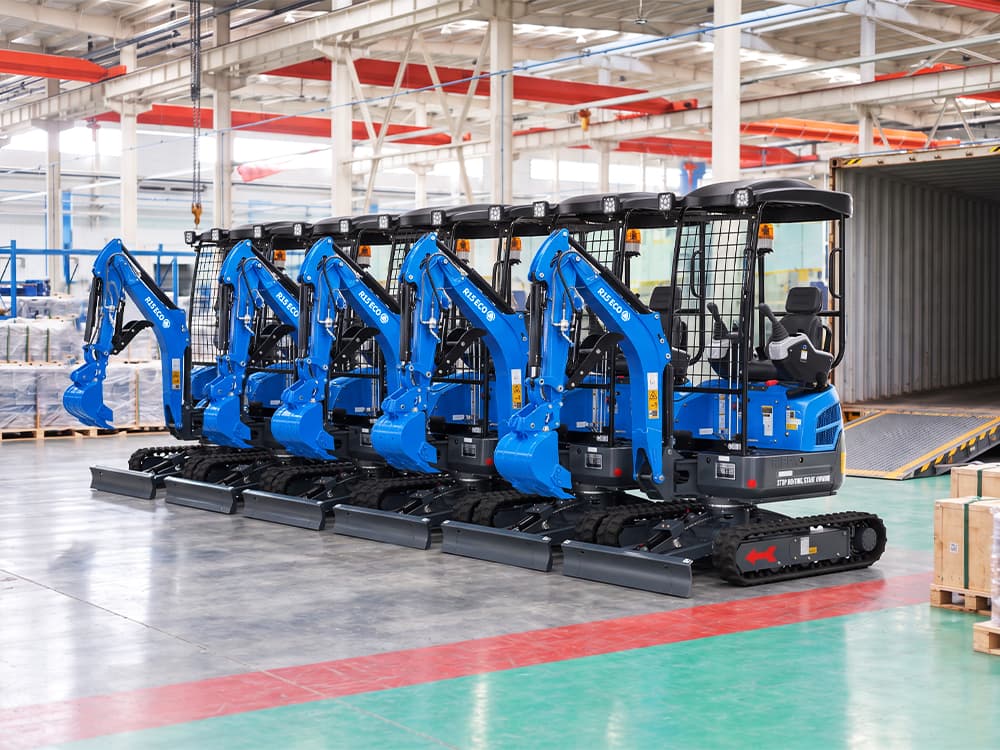
Machines for Regular Construction Work
Contractors handling frequent excavation tasks should look beyond initial purchase cost. They should consider the machine's configuration, component selection, maintenance access, and compatibility with the attachments required for their projects.
Models for Different Customer Groups
Dealers may serve landscaping companies, construction contractors, farms, and property maintenance businesses. These customers may have different expectations.
A practical product range should give dealers options to discuss with customers rather than relying on a single machine category for every application.
3. What Should Buyers Check Before Ordering?
A product page provides an introduction, but it should not replace a detailed purchasing discussion.
Before ordering a RIPPA mini excavator, review the following areas.
Engine and Component Configuration
Confirm the engine brand, major components, and configuration included in the quotation. If different configurations are available, ask the supplier to explain the differences and provide written confirmation of the selected version.
Attachments and Working Requirements
Consider whether the machine will need additional attachments for trenching, landscaping, material handling, or other tasks.
Ask which attachments are available and verify compatibility with the selected model.
Maintenance and Parts
For businesses using equipment regularly, access to maintenance information and replacement parts is an important purchasing consideration.
Ask the supplier how parts are identified, how orders are placed, and what information is needed when requesting technical assistance.
Product Documentation
Request complete product information, including specifications, operating documentation, configuration details, and relevant export documents.
Consistent documentation helps buyers compare machines and reduces misunderstandings during international transactions.
4. What Dealers Should Consider When Selecting a Mini Excavator Supplier
For equipment distributors, purchasing decisions affect more than one machine order. The supplier relationship can influence product planning, customer communication, and future business development.
Consider these factors when evaluating a manufacturer:
| Factor | What Dealers Should Review |
|---|---|
| Product range | Whether available models match local demand |
| Manufacturing background | Factory capability and production experience |
| Product consistency | Whether quoted configurations are clearly documented |
| Parts arrangements | How replacement parts are identified and ordered |
| Export experience | Familiarity with international transactions |
| Sales communication | Availability of clear product information |
| Cooperation terms | Ordering procedures and dealer support arrangements |
Dealers should also consider how they will explain the differences between models to their customers. Clear product information makes it easier to recommend suitable equipment for different applications.
5. Buying Directly from a Mini Excavator Manufacturer
Working directly with a manufacturer can help importers and distributors discuss product configurations, purchasing requirements, and future orders.
Before establishing a supplier relationship, buyers should clarify:
Which mini excavator models are currently available?
What engine and component configurations can be selected?
What are the minimum order and ordering arrangements?
Which attachments and spare parts can be supplied?
What product and export documents are available?
How are technical questions and parts requests handled?
RIPPA Group is a construction machinery manufacturer based in Jining, Shandong, China. Its product range includes mini excavators and other construction equipment for international markets.
For dealers and importers, direct communication with the manufacturer provides an opportunity to discuss product options and business requirements before making purchasing decisions.
6. How to Select the Right RIPPA Mini Excavator
A suitable machine is one that matches the buyer's actual operating requirements and purchasing plan.
Contractors should begin with their jobsite conditions, digging requirements, and expected workload. Dealers should additionally evaluate local customer demand, product positioning, and supplier cooperation.
Avoid choosing a machine based only on its advertised category or a single specification. Compare the complete configuration and request clarification whenever product information is incomplete.
Frequently Asked Questions
What is a RIPPA mini excavator used for?
RIPPA mini excavators are intended for compact excavation applications such as landscaping, residential construction, drainage work, and property maintenance. The appropriate model depends on the specific working requirements.
How do I choose between different RIPPA mini excavator models?
Compare machine dimensions, working capabilities, engine and component configurations, attachment compatibility, and the conditions in which the machine will operate.
Can equipment dealers purchase RIPPA mini excavators?
Dealers and importers can contact RIPPA to discuss available models, purchasing arrangements, and potential business cooperation.
What information should I request before importing a mini excavator?
Request product specifications, configuration details, operating documentation, export documents, attachment information, and clear purchasing terms.
Conclusion
A RIPPA mini excavator should be selected according to its intended application, configuration, and long-term purchasing requirements. Contractors need equipment that fits their jobsites, while dealers need a product range and supplier relationship that support their business.
By comparing models carefully and confirming product details before ordering, buyers can make more informed decisions when sourcing mini excavators for their markets.