Backhoe Loader vs Excavator: Which Machine Fits Your Construction Projects?
Choosing between a backhoe loader and an excavator depends on the type of work, jobsite conditions, and the number of tasks your equipment needs to perform. Both machines are widely used in construction, earthmoving, and infrastructure projects, but their designs serve different operational purposes.
A backhoe loader combines a front loading bucket with a rear digging arm, allowing operators to handle material loading and excavation with one machine. An excavator is primarily designed for digging, lifting, and earthmoving, with a rotating upper structure that provides a wider working range.
For contractors and equipment buyers, the key question is not simply which machine is more powerful. It is which configuration better matches the actual workload, project requirements, and long-term equipment investment.
What Is the Difference Between a Backhoe Loader and an Excavator?
The most noticeable difference is their working configuration.
A backhoe loader has two main working functions. The front bucket handles loose materials such as soil, gravel, and construction debris, while the rear backhoe arm performs digging operations. This combination makes it suitable for projects that require different types of work throughout the day.
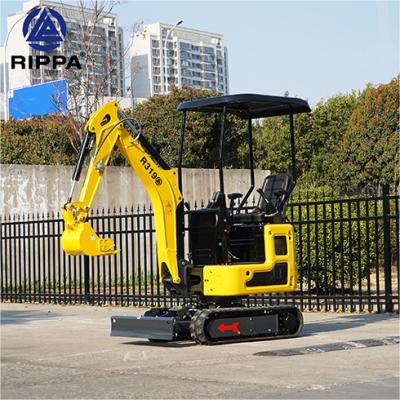
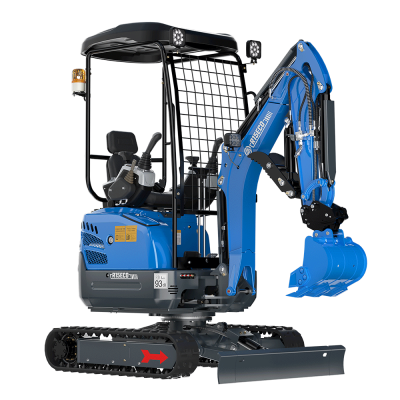
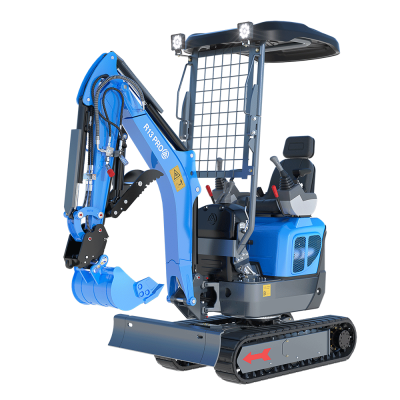
An excavator focuses more directly on excavation. Its boom, arm, and bucket work together to dig trenches, prepare foundations, move soil, and perform other earthmoving operations. Depending on the machine configuration, excavators can also use different attachments for specialized tasks.
Main Functional Differences
| Comparison | Backhoe Loader | Excavator |
|---|---|---|
| Main function | Digging and loading | Excavation and earthmoving |
| Working equipment | Front loader and rear backhoe | Boom, arm, and bucket |
| Material handling | Front bucket | Suitable bucket or attachment |
| Working flexibility | Multiple integrated functions | Excavation-focused versatility |
| Typical applications | General construction and maintenance | Excavation and infrastructure work |
Understanding these differences helps buyers avoid purchasing equipment that does not match their daily operations.
Backhoe Loader Applications in Construction
A backhoe loader is particularly useful for projects that combine excavation with material handling.
Road Maintenance and Municipal Work
Road maintenance often involves removing soil, cleaning drainage areas, moving construction materials, and preparing surfaces. A backhoe loader can perform several of these tasks without requiring separate machines for every operation.
Agricultural and Property Development
Agricultural contractors may need to dig drainage channels, move soil, clear working areas, and transport materials around a property. The combination of front and rear working equipment provides flexibility for these activities.
General Construction Projects
For smaller construction projects, a backhoe loader can support foundation preparation, trenching, material loading, and site cleanup. Its versatility can be valuable when the project involves several different tasks.
When Is an Excavator the Better Choice?
An excavator is generally more suitable when digging is the primary activity and the project requires a dedicated excavation machine.
Foundation and Large-Scale Earthmoving
Construction projects involving foundation excavation, substantial soil removal, or repeated digging operations often benefit from an excavator's dedicated working configuration.
Utility and Drainage Construction
Excavators are frequently used for water pipelines, drainage systems, and underground utility installation. Bucket selection and working reach should be matched to the actual trench dimensions and site conditions.
Projects Requiring Specialized Attachments
Depending on hydraulic compatibility and machine configuration, excavators can work with attachments such as hydraulic breakers, augers, and specialized buckets. This makes them useful for contractors handling different excavation-related projects.
Five Factors to Consider Before Buying
Choosing construction equipment requires more than comparing the machine categories. Buyers should evaluate the following factors.
1. Project workload
List the tasks your business performs most frequently. If loading and digging are equally important, a backhoe loader may be worth considering. If excavation accounts for most working hours, an excavator may be a better match.
2. Jobsite conditions
Consider ground conditions, available working space, access routes, and the distance between work areas. These factors affect machine selection and daily productivity.
3. Equipment transportation
Think about how frequently the machine needs to move between projects. Evaluate road access, transportation arrangements, and the available equipment transport resources.
4. Attachment requirements
Identify the attachments needed for your regular projects. Check compatibility, hydraulic requirements, and whether the supplier can provide clear configuration information.
5. Long-term purchasing costs
Look beyond the initial purchase price. Consider maintenance access, replacement parts, transportation, operator requirements, and expected equipment utilization.
How to Choose a Reliable Construction Equipment Supplier
For international buyers, selecting the right manufacturer is just as important as selecting the right machine.
Before placing a wholesale order, check the supplier's manufacturing background, product range, export experience, and ability to provide consistent product documentation.
Distributors should also evaluate whether the manufacturer can support their target market with product information, parts availability details, and communication throughout the purchasing process.
Request the following information before making a decision:
Product catalogs and current model information.
Available configurations and attachment options.
Technical documentation for the selected machine.
Export packaging and shipping arrangements.
Spare parts information and after-sales support procedures.
A reliable supplier should provide clear answers rather than relying on general marketing claims.
RIPPA Group focuses on construction machinery manufacturing and international equipment supply. Buyers interested in excavators, loaders, and other construction equipment can contact the company to discuss product categories and potential distribution cooperation.
Frequently Asked Questions
Is a backhoe loader the same as an excavator?
No. A backhoe loader combines a front loading bucket with a rear digging arm, while an excavator is primarily designed for excavation using a boom, arm, and bucket.
Which machine is better for digging trenches?
Both machines can dig trenches. The better choice depends on trench dimensions, working conditions, excavation frequency, and the equipment configuration required for the project.
Can an excavator replace a backhoe loader?
An excavator can perform many digging tasks and some material-handling operations with suitable attachments. However, it does not automatically provide the same integrated front-loading and rear-digging functions as a backhoe loader.
What should dealers consider when purchasing construction equipment?
Dealers should evaluate product demand in their target market, manufacturer reliability, model availability, parts support, documentation, and the supplier's ability to support long-term cooperation.
Find the Right Construction Equipment for Your Business
The choice between a backhoe loader and an excavator should be based on your actual project requirements, working conditions, and equipment utilization plans.
For contractors, the right machine can improve workflow and reduce unnecessary equipment investment. For distributors, working with an experienced manufacturer helps build a more competitive equipment portfolio.
Contact RIPPA Group to explore construction equipment options, discuss wholesale purchasing requirements, and learn more about potential dealer cooperation.