Construction Equipment Fleet Planning for Small and Mid-Sized Contractors
Managing construction equipment is an important part of running a successful contracting business. Whether a company handles residential construction, road maintenance, landscaping, or infrastructure projects, the equipment available directly affects how work is organized and completed.
For small and mid-sized contractors, building an effective equipment fleet can be challenging. Purchasing too many machines may increase financial pressure, while having too few machines can create scheduling problems and limit the types of projects a company can accept.
Construction equipment fleet planning helps businesses match their machinery investment with actual project requirements. Instead of purchasing machines based only on price or popularity, contractors can evaluate workload, equipment utilization, maintenance needs, and future business opportunities.
A well-planned fleet should support current operations while leaving enough flexibility for future growth.
What Is Construction Equipment Fleet Planning?
Construction equipment fleet planning is the process of selecting, purchasing, organizing, and managing machinery according to a company's operational requirements.
It involves more than deciding which machines to buy. Contractors also need to consider how frequently equipment will be used, how different machines work together, and whether their existing fleet can support upcoming projects.
Common equipment categories include:
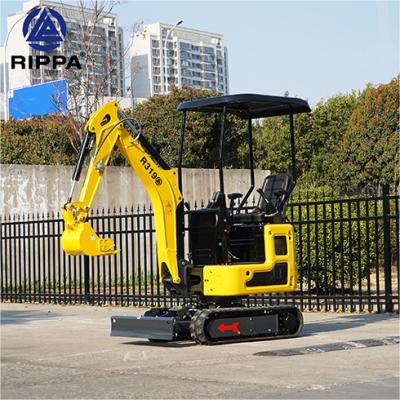
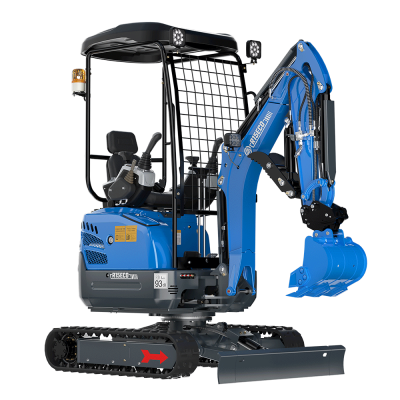
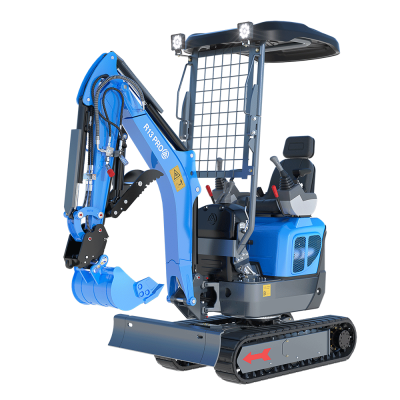
Excavators for digging, trenching, and earthmoving.
Wheel loaders for material handling and loading operations.
Skid steer loaders for compact working areas and versatile jobsite tasks.
Backhoe loaders for combined digging and loading applications.
Forklifts for material handling and transportation.
The ideal combination depends on the contractor's business model, project size, working environment, and customer requirements.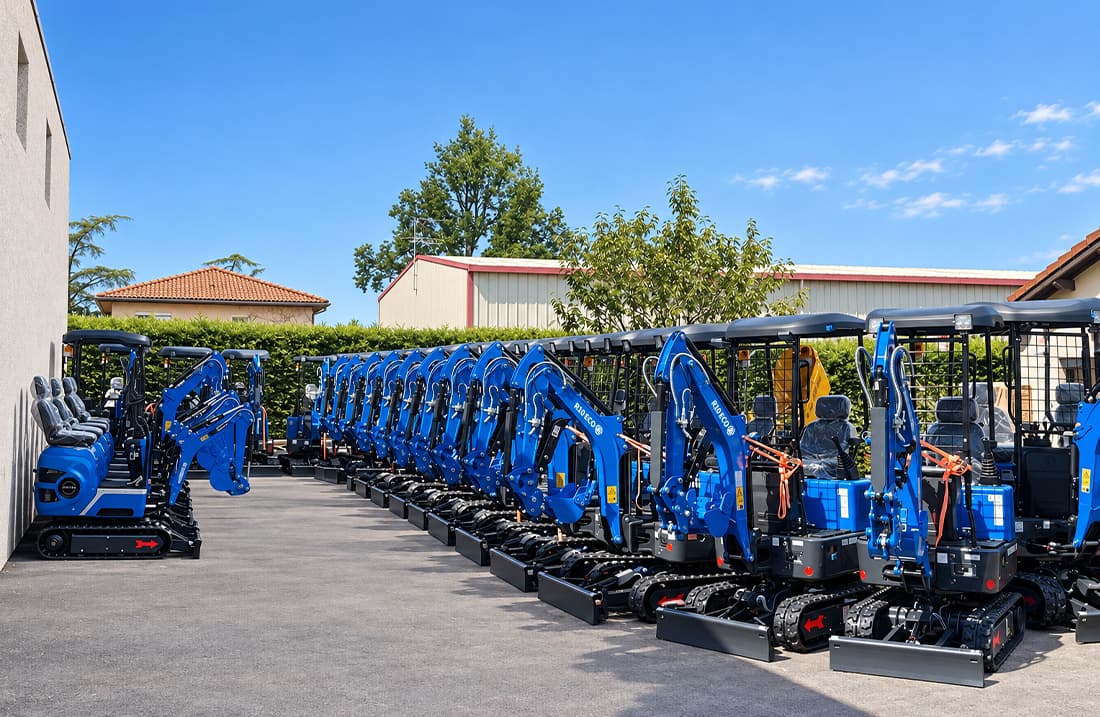
Identify Your Most Common Construction Projects
The first step in fleet planning is understanding the type of work your business performs.
Different construction projects require different equipment combinations.
Residential and Small Construction Projects
Residential construction often involves foundation preparation, landscaping, material movement, and utility installation.
Compact excavators and skid steer loaders may be useful for contractors working in residential areas where access and working space are limited.
The equipment selection should reflect the actual tasks performed rather than assuming every project requires a large machine.
Road Construction and Maintenance
Road projects may involve excavation, soil movement, surface preparation, and material transportation.
Depending on the project, contractors may need excavators, loaders, and other supporting machinery.
The sequence of work should be considered when planning the fleet. Equipment must be available at the right stage of the project to avoid unnecessary delays.
Landscaping and Agricultural Projects
Landscaping and agricultural contractors often work across different ground conditions and property layouts.
Compact machinery can be useful for moving soil, preparing land, clearing working areas, and performing excavation tasks.
Buyers should evaluate access routes, soil conditions, attachment requirements, and the types of materials handled regularly.
Choose the Right Combination of Construction Equipment
A construction fleet should be organized around the relationship between different machines.
Purchasing several machines that perform nearly identical tasks may create unnecessary overlap, while missing equipment categories can slow down daily operations.
Excavators for Digging and Earthmoving
Excavators are commonly used for foundation work, trenching, drainage construction, and soil removal.
When choosing an excavator, contractors should consider project frequency, excavation requirements, ground conditions, transportation arrangements, and attachment compatibility.
A fleet with different excavator categories may serve multiple project types, but each purchase should have a clear operational purpose.
Wheel Loaders for Material Handling
Wheel loaders support loading, stockpile management, and the movement of loose materials.
They can work alongside excavators on construction sites where soil, gravel, or other materials need to be relocated.
Before purchasing, businesses should evaluate loading requirements, material characteristics, working space, and the equipment's intended application.
Skid Steer Loaders for Flexible Jobsite Tasks
Skid steer loaders are useful for contractors who need compact equipment for material handling, site cleanup, and different attachment-based tasks.
Their versatility makes them relevant to landscaping, property maintenance, and selected construction applications.
Buyers should consider attachment compatibility and the actual tasks required before deciding on a configuration.
Backhoe Loaders for Combined Operations
Backhoe loaders combine front loading and rear digging functions.
They may be suitable for contractors whose projects involve both excavation and material handling without requiring separate machines for every task.
The decision should depend on the balance between digging and loading activities throughout the working day.
Evaluate Equipment Utilization Before Purchasing
Equipment utilization is one of the most important factors in construction fleet management.
A machine that is frequently used for productive work may justify its purchasing cost more effectively than equipment that remains idle for long periods.
Before adding another machine, contractors should review:
Actual operating hours.
Frequency of equipment use.
Number of projects requiring the machine.
Time spent waiting between operations.
Maintenance and repair records.
Availability of alternative equipment.
For example, if an excavator is regularly assigned to different projects and consistently supports the company's workload, adding another machine may be worth evaluating.
However, if the existing excavator spends significant time waiting for work, improving scheduling may be more practical than increasing the fleet size.
Keeping accurate operating records helps businesses make purchasing decisions based on evidence rather than assumptions.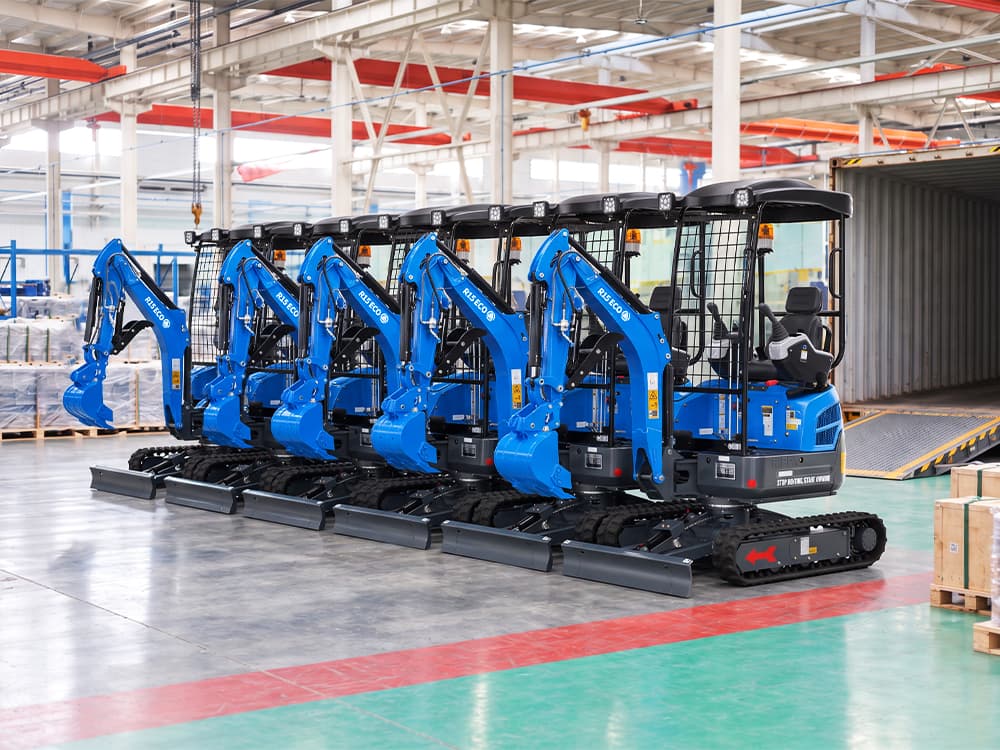
How to Control Construction Equipment Fleet Costs
Fleet costs extend beyond the initial purchase price.
Contractors should consider the expenses associated with operating, maintaining, transporting, and managing their machinery.
Establish a Maintenance Management Process
Preventive maintenance helps identify equipment problems before they affect project schedules.
Create maintenance records for each machine and follow the manufacturer's recommended inspection procedures.
Track service dates, operating hours, replacement parts, and repair history.
Improve Equipment Scheduling
Poor scheduling can result in machines sitting idle on one project while another project lacks the equipment it needs.
Coordinating equipment availability with project schedules can help improve utilization and reduce unnecessary transportation.
Standardize Equipment Information
Maintaining consistent equipment records makes fleet management easier.
Each machine should have identifiable product information, maintenance history, operating records, and relevant technical documentation.
This information also helps when ordering replacement parts or communicating with suppliers.
Compare Total Purchasing Requirements
When comparing suppliers, evaluate more than the quoted machine price.
Consider product configuration, shipping arrangements, parts information, documentation, and the manufacturer's ability to support international purchasing.
A clear purchasing comparison helps avoid overlooking important expenses.
Buying New Equipment vs Expanding an Existing Fleet
Contractors do not always need to purchase new machinery whenever their business grows.
The decision to expand should be based on workload and the limitations of the current fleet.
| Consideration | Expand Existing Fleet | Optimize Current Fleet |
|---|---|---|
| Workload | Growing and consistent demand | Existing capacity may be sufficient |
| Equipment availability | Frequent shortages | Scheduling issues |
| Utilization | Existing machines heavily used | Some machines remain idle |
| Investment | Additional purchasing required | Focus on management improvements |
| Main objective | Increase operating capacity | Improve current equipment efficiency |
Before expanding, contractors should identify whether equipment shortages are caused by genuine capacity limitations or inefficient scheduling.
This distinction can help businesses avoid unnecessary investment.
What Should Contractors Look for in an Equipment Manufacturer?
Choosing a suitable equipment manufacturer is an important part of long-term fleet planning.
For overseas buyers, supplier evaluation should include product information, manufacturing experience, export arrangements, and communication capabilities.
Consider the following points:
Product range: Check whether the manufacturer offers the equipment categories relevant to your business.
Product documentation: Request current catalogs, specifications, operating information, and available configurations.
Manufacturing background: Understand the manufacturer's production capabilities and experience in supplying international markets.
Parts information: Ask how replacement parts can be identified and ordered.
Export arrangements: Confirm packaging, shipping procedures, and the documentation required for your destination market.
Business cooperation: For distributors, discuss order requirements, market demand, and the process for ongoing cooperation.
RIPPA Group focuses on construction machinery manufacturing and international supply. Businesses planning to expand their equipment portfolios can contact RIPPA Group to discuss available machinery categories and wholesale purchasing opportunities.
Frequently Asked Questions
What equipment should a small construction company purchase first?
The answer depends on the company's main projects. Contractors should identify their most frequent tasks and prioritize machines that can support regular workloads rather than purchasing equipment based on general popularity.
How many excavators should a construction company have?
There is no universal number. Fleet size depends on project volume, operating schedules, excavation requirements, equipment utilization, and the availability of alternative machinery.
Why is equipment utilization important?
Equipment utilization shows how effectively a machine is being used. Monitoring operating hours and idle periods helps contractors identify underused equipment and make more informed purchasing decisions.
Should contractors buy different types of construction equipment?
A diversified fleet can support different project requirements, but every machine should serve a clear operational purpose. Equipment categories should complement one another rather than create unnecessary overlap.
What should equipment dealers consider when building a product portfolio?
Dealers should evaluate local customer demand, common construction applications, product availability, supplier reliability, parts arrangements, and opportunities for repeat wholesale orders.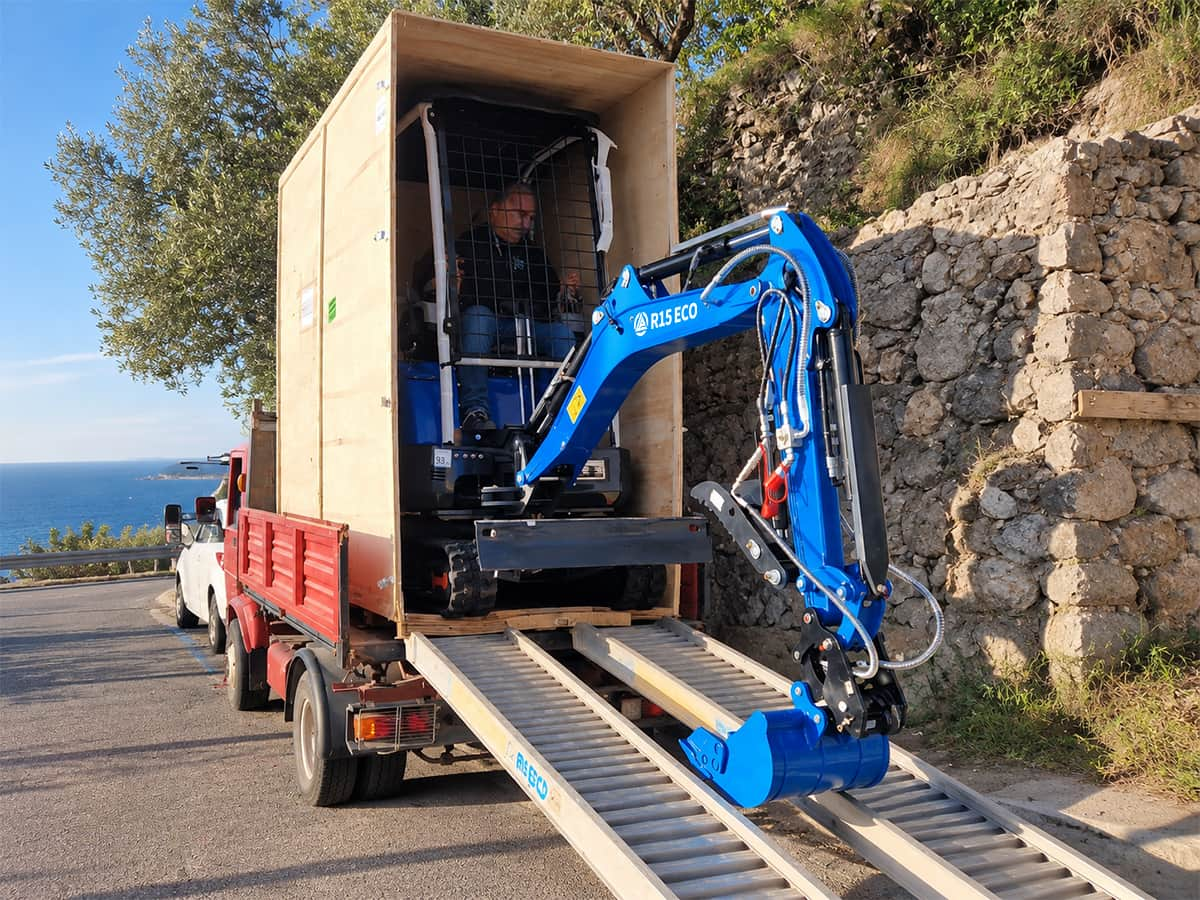
Build a Construction Equipment Fleet That Supports Business Growth
Effective construction equipment fleet planning begins with understanding the work your business actually performs.
By evaluating project requirements, equipment utilization, maintenance needs, and purchasing priorities, contractors can develop a fleet that supports daily operations without creating unnecessary investment pressure.
For equipment dealers, understanding these operational requirements also helps identify which machinery categories are relevant to their customers.
A reliable equipment supply partner can make fleet expansion and product sourcing more manageable. Explore construction machinery options from RIPPA Group and discuss equipment purchasing requirements for your business.