Excavator Operating Costs: What Contractors Should Consider Before Buying
Buying an excavator is only the first step in managing construction equipment expenses. Once a machine enters daily operation, contractors must also consider fuel, maintenance, repairs, transportation, operator costs, and unexpected downtime.
These expenses can have a significant impact on the total cost of owning and operating construction machinery. A machine with an attractive purchase price may not necessarily be the most economical option if replacement parts are difficult to obtain or maintenance requirements interrupt project schedules.
For construction companies, equipment dealers, and fleet managers, understanding excavator operating costs before purchasing helps create a more realistic equipment budget and supports better long-term investment decisions.
What Are the Main Components of Excavator Operating Costs?
Excavator operating costs include both regular expenses and occasional costs associated with equipment ownership.
Understanding each category makes it easier to estimate the financial requirements of operating a machine over time.
Fuel Consumption
Fuel is one of the recurring expenses for many excavator operators.
Actual fuel consumption depends on several factors, including:
Engine configuration and machine design.
Soil conditions and excavation difficulty.
Operator experience and working habits.
Idle time and daily operating hours.
Attachment selection and workload.
A machine performing continuous heavy excavation may have different fuel requirements from one used for intermittent landscaping or material handling.
When comparing excavators, buyers should request reliable fuel consumption information under clearly defined operating conditions rather than relying on general estimates.
Routine Maintenance
Regular maintenance helps keep construction equipment in working condition and reduces the risk of unexpected failures.
Typical maintenance activities include checking engine oil, replacing filters, inspecting hydraulic hoses, maintaining the cooling system, and checking the undercarriage where applicable.
The frequency and cost of maintenance depend on the manufacturer's recommendations, working environment, and equipment usage.
Contractors should consider maintenance accessibility and the availability of replacement parts when evaluating different suppliers.
Repairs and Replacement Parts
Mechanical wear is unavoidable in construction equipment.
Hydraulic components, tracks, buckets, pins, bushings, and other parts may require inspection, repair, or replacement during the machine's service life.
Operating in abrasive soil, rocky environments, or demanding applications may increase wear on certain components.
Before purchasing, buyers should ask suppliers about commonly replaced parts, ordering procedures, and the availability of technical documentation.
Transportation and Logistics
Transportation is another expense that should be included in equipment ownership calculations.
Costs may arise when moving machines between construction sites, arranging export shipments, or delivering equipment to customers.
International distributors should also consider freight arrangements, import procedures, customs requirements, and local delivery costs.
Planning transportation in advance can help avoid unexpected expenses after an order is placed.
Downtime and Lost Productivity
A machine that cannot operate because of a technical problem may affect the entire project schedule.
Downtime can lead to delayed excavation, postponed construction activities, additional labor expenses, and missed project deadlines.
This is why buyers should evaluate more than the machine's initial price. Maintenance support, parts access, and supplier communication can also influence the overall cost of ownership.
How Operating Conditions Affect Excavator Costs
Two identical excavators may have different operating expenses when used in different environments.
Understanding working conditions is important when preparing an equipment budget.
Soil and Ground Conditions
Soft soil, clay, sand, gravel, and rocky ground create different working demands.
Hard or abrasive materials may increase bucket wear and place additional stress on certain components. Wet or muddy conditions may also affect undercarriage maintenance and site accessibility.
Buyers should explain their typical working environment when requesting equipment recommendations.
Daily Working Hours
Operating hours influence fuel use, maintenance schedules, and component wear.
A machine used regularly across multiple projects will generally require a different maintenance budget from equipment used occasionally.
Fleet managers should maintain operating-hour records and schedule inspections according to manufacturer recommendations.
Operator Experience
Operator behavior can affect fuel consumption, productivity, and component wear.
Unnecessary idling, aggressive operation, and incorrect attachment use may increase operating expenses.
Providing proper operator training and following equipment guidelines can help improve machine utilization.
How to Calculate Excavator Operating Costs
A practical way to evaluate excavator expenses is to separate them into hourly, monthly, and annual categories.
A basic operating cost formula is:
Total Operating Cost = Fuel + Maintenance + Repairs + Labor + Transportation + Other Operating Expenses
For a more useful comparison, contractors can calculate the estimated cost per operating hour.
Operating Cost per Hour = Total Operating Expenses ÷ Actual Operating Hours
For example, if a company records its operating expenses over a defined reporting period, it can divide those expenses by the actual machine operating hours to understand its average cost per hour.
When comparing different machines, use the same accounting period and include the same cost categories. Otherwise, the results may be misleading.
Purchase price and depreciation can also be included when calculating total ownership cost. However, these should be distinguished from direct operating expenses.
Five Ways to Manage Excavator Operating Costs
Reducing unnecessary expenses does not always require purchasing a different machine. Better equipment management can also make a difference.
1. Follow a Preventive Maintenance Schedule
Regular inspections help identify potential problems before they become more serious.
Check fluid levels, filters, hydraulic connections, cooling systems, and other components according to the manufacturer's maintenance instructions.
2. Select the Right Machine for the Application
An excavator should match the workload and jobsite requirements.
Purchasing equipment that is unsuitable for the intended application may result in inefficient operation, unnecessary wear, or additional equipment requirements.
3. Improve Operator Efficiency
Experienced operators who understand machine controls and working procedures can help reduce unnecessary movements and idle time.
Proper training also supports safer and more consistent equipment operation.
4. Plan Spare Parts Procurement
Contractors and dealers should identify commonly needed replacement parts before equipment enters regular operation.
Maintaining an appropriate parts inventory can help reduce delays when maintenance or repairs are necessary.
5. Monitor Equipment Utilization
Track operating hours, maintenance records, fuel expenses, and machine availability.
These records help fleet managers identify equipment that is underused, overworked, or generating unusually high maintenance expenses.
What Should Buyers Ask an Excavator Manufacturer?
For international construction companies and equipment distributors, the manufacturer's ability to provide clear product and service information is an important part of purchasing decisions.
Before confirming an order, consider asking the following questions:
What maintenance schedule does the manufacturer recommend?
Which replacement parts are commonly required?
What technical documentation is available?
Are different configurations available for specific working conditions?
How can overseas buyers order replacement parts?
What technical assistance and after-sales procedures are available?
What are the export packaging and shipping arrangements?
These questions help buyers evaluate the supplier beyond the initial quotation.
For distributors, understanding these details is also important when preparing local product information and supporting customers after delivery.
RIPPA Group focuses on construction machinery manufacturing and international supply. Businesses interested in excavators, loaders, and other construction equipment can contact the company to discuss product information and wholesale purchasing requirements.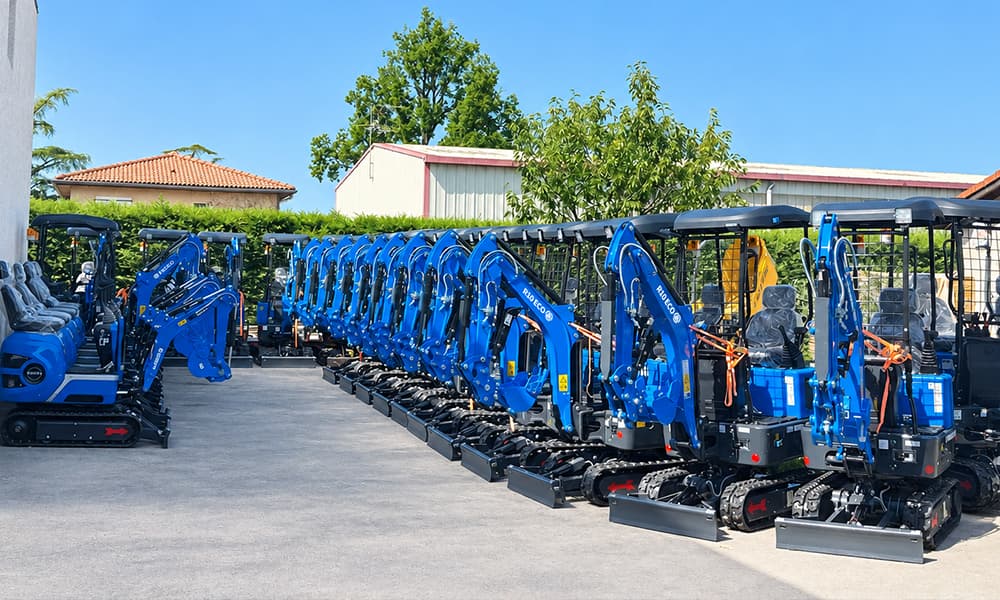
Frequently Asked Questions
What is included in excavator operating costs?
Excavator operating costs generally include fuel, routine maintenance, repairs, operator labor, transportation, and other expenses associated with daily equipment operation.
Is excavator operating cost the same as total ownership cost?
No. Operating cost focuses on expenses related to using the machine. Total ownership cost may also include the original purchase price, financing, depreciation, insurance, and eventual resale value.
What affects excavator fuel consumption?
Fuel consumption is influenced by engine design, workload, ground conditions, operating hours, operator behavior, and idle time.
How can contractors reduce excavator maintenance costs?
Contractors can follow preventive maintenance schedules, train operators, inspect equipment regularly, use appropriate replacement parts, and address small problems before they develop into larger repairs.
Why should dealers consider maintenance costs before purchasing excavators?
Maintenance requirements and replacement parts availability affect the ownership experience of end customers. Dealers who understand these factors can provide more practical purchasing advice and build stronger long-term customer relationships.
Make a More Informed Excavator Purchasing Decision
Excavator operating costs involve much more than fuel expenses. Maintenance, repairs, transportation, operator efficiency, and equipment downtime all contribute to the financial performance of a machine.
For contractors, evaluating these factors before purchasing can help create a more realistic equipment budget. For distributors, understanding long-term ownership expenses makes it easier to advise customers and develop a reliable equipment supply business.
When comparing excavator manufacturers, look beyond the initial quotation. Evaluate product suitability, maintenance information, replacement parts arrangements, and the supplier's ability to support international customers.