Construction Equipment Supplier: What Dealers Should Look for in a Business Partner
Construction Equipment Supplier: What Dealers Should Look for in a Business Partner
Finding the right construction equipment supplier is one of the most important decisions for equipment dealers and distributors.
A supplier does more than provide machinery. It can influence product selection, purchasing efficiency, supply planning, customer support, and the ability to expand into new equipment categories.
For dealers importing construction machinery from overseas, evaluating a supplier carefully can reduce purchasing risks and create a stronger foundation for long-term business cooperation.
This article explains the key factors dealers should consider before choosing a construction equipment supplier.
Why Supplier Selection Matters for Construction Equipment Dealers
Dealers operate between manufacturers and end customers. Their business depends on selecting products that meet local demand and maintaining reliable supply relationships.
Product Selection Affects Sales Opportunities
Different markets have different construction equipment requirements.
Some customers focus on compact machinery for residential projects, while others need equipment for agriculture, material handling, or larger construction operations.
A supplier with a suitable product portfolio gives dealers more flexibility when serving different customer groups.
Supply Coordination Affects Business Planning
Dealers need accurate information about product availability, order processing, production schedules, and shipping arrangements.
Unclear communication can make it difficult to plan inventory and respond to customer inquiries.
Long-Term Cooperation Supports Market Development
A stable manufacturer relationship can help dealers understand product updates, purchasing arrangements, and potential opportunities to expand their equipment offerings.
The value of cooperation should be evaluated over time rather than based on a single order.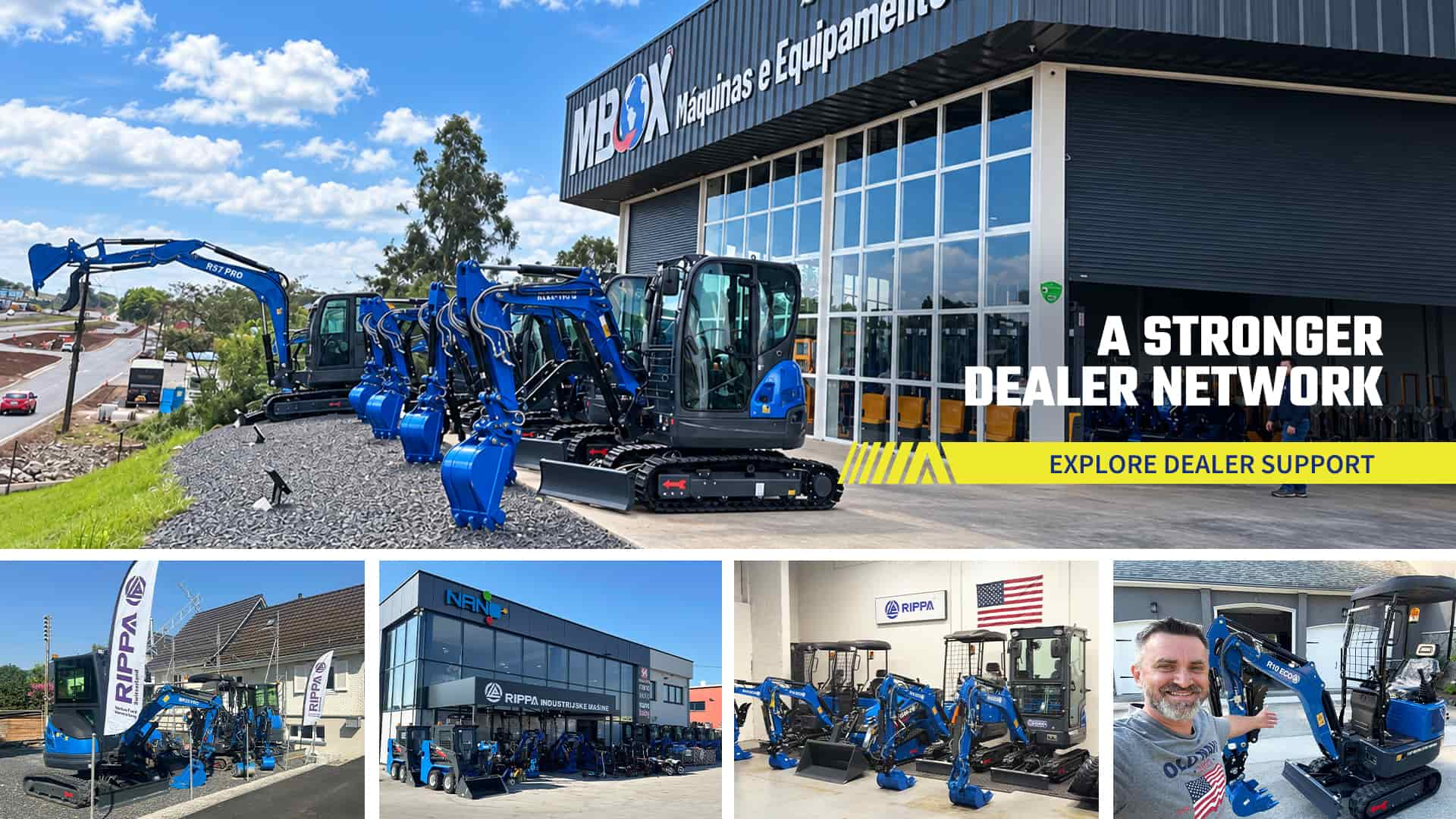
What Product Categories Should a Construction Equipment Supplier Offer?
The right product range depends on the dealer's target customers and local market demand.
Excavators for Construction and Groundwork
Excavators are commonly used for digging, trenching, site preparation, and other earthmoving operations.
Compact excavators may be suitable for customers working in limited spaces, while larger equipment serves different construction requirements.
Skid Steer Loaders for Versatile Applications
Skid steer loaders are used for material handling, landscaping, construction cleanup, and agricultural work.
Their ability to use different attachments makes them relevant to customers with varied job requirements.
Wheel Loaders for Material Handling
Wheel loaders are widely used for loading and moving bulk materials.
They can serve construction sites, agricultural operations, material yards, and other businesses that handle loose materials.
Backhoes and Other Construction Machinery
Depending on the market, dealers may also consider backhoe loaders, forklifts, and other equipment categories.
The objective is not to stock every type of machine. It is to build a product range that matches the needs of the local customer base.
How to Evaluate a Construction Equipment Manufacturer
Before establishing a purchasing relationship, dealers should verify the supplier's business and manufacturing background.
Check Company and Factory Information
Review the company's official website, business history, factory information, product catalog, and contact details.
If the company claims to be a manufacturer, request information that demonstrates its actual production operations.
Review the Product Portfolio
Check whether the manufacturer offers clearly documented products and configurations.
Dealers should be able to obtain sufficient information to explain the equipment to potential customers.
Understand Quality Inspection Procedures
Ask the manufacturer how it manages component inspection, assembly checks, finished product inspection, and product testing.
The answers can help dealers understand the supplier's approach to quality management.
Evaluate Export Experience
For international dealers, export experience is an important consideration.
Ask whether the manufacturer has experience preparing shipping documents, arranging packaging, coordinating international transportation, and communicating with overseas customers.
How to Compare Construction Equipment Supplier Quotations
Comparing prices is necessary, but quotations should be evaluated on a consistent basis.
Confirm the Same Product Configuration
Make sure the quotations refer to the same equipment model and configuration.
Check included components, optional equipment, attachments, and other relevant details.
Compare Commercial Terms
Review the following items:
Product price and currency
Payment terms
Order requirements
Production schedule
Packaging arrangements
Shipping terms
Export documentation
A lower price may not represent better value if the included configuration or commercial terms are different.
Clarify Responsibilities Before Ordering
The buyer and supplier should agree on responsibilities for production coordination, shipping arrangements, document preparation, and delivery-related communication.
Clear agreements help reduce misunderstandings during international transactions.
What International Dealers Should Expect From a Supplier
A suitable construction equipment supplier should provide clear communication throughout the purchasing process.
Product Information and Sales Materials
Dealers may need product catalogs, photographs, videos, configuration lists, and operating information to support their local sales activities.
Ask which materials are available and whether they can be used for dealer marketing.
Spare Parts Communication
Dealers should understand how spare parts inquiries are submitted, how components are identified, and what information is required when requesting assistance.
A clear process helps dealers respond to customer needs more efficiently.
Transparent Distribution Discussions
Before signing a distribution agreement, discuss territory arrangements, sales expectations, product categories, pricing policies, and other relevant commercial conditions.
Do not assume that market exclusivity or specific dealer rights are automatically included. These matters should be confirmed in writing.
Questions Dealers Should Ask Before Working With a Construction Equipment Supplier
Use this checklist when evaluating potential suppliers:
Are you a direct manufacturer or a trading company?
What construction equipment categories do you offer?
Can you provide detailed product catalogs and configurations?
What factory and quality inspection information is available?
Which countries or regions do you currently export to?
What are your order and payment requirements?
How are production and shipping schedules coordinated?
What product and export documents can you provide?
How do you handle spare parts inquiries?
What distribution and dealer cooperation arrangements are available?
The answers provide a useful starting point for comparing suppliers and identifying potential long-term partners.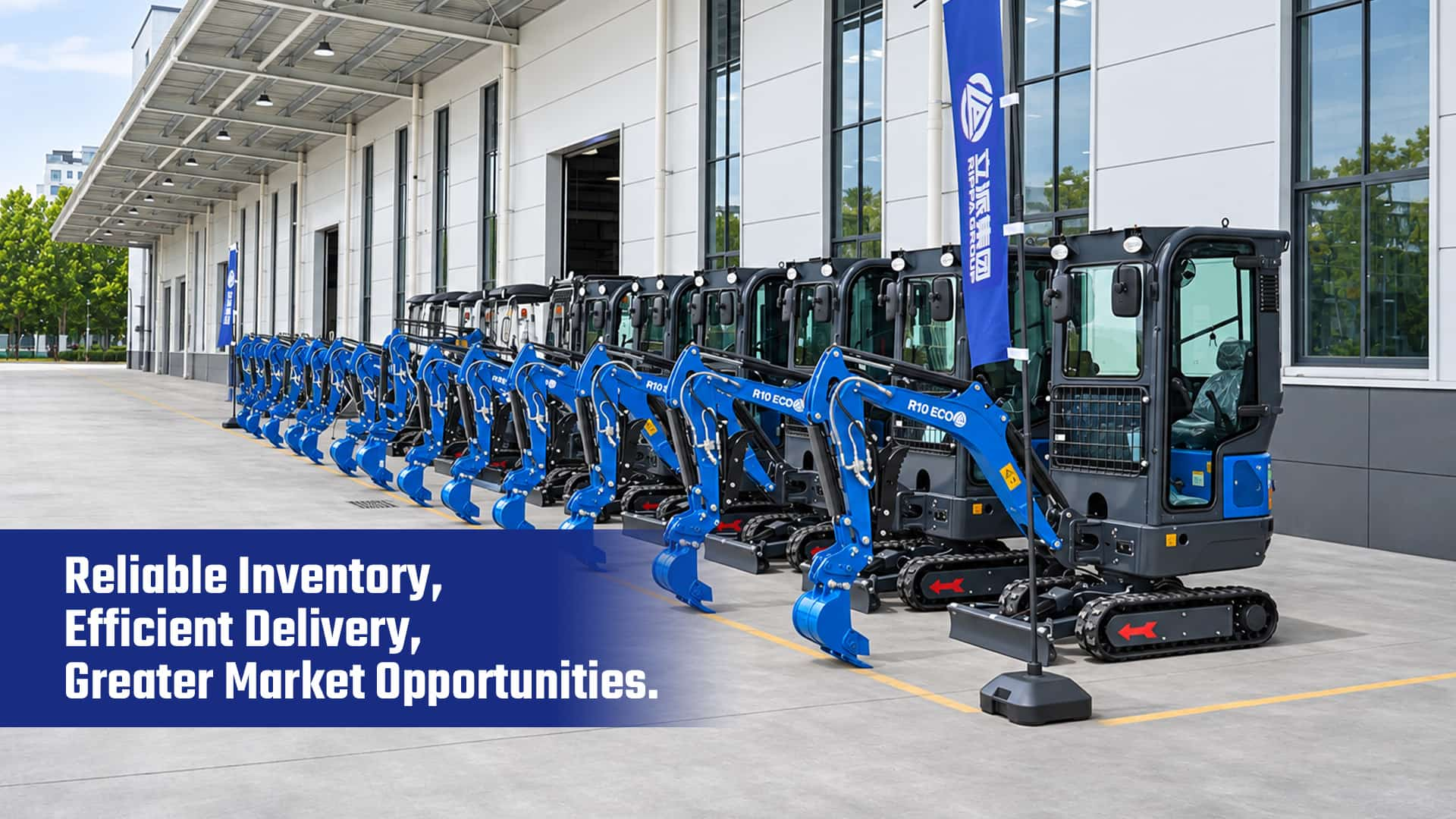
Frequently Asked Questions
What does a construction equipment supplier do?
A construction equipment supplier provides machinery to contractors, dealers, distributors, importers, and other buyers. Depending on the company's business model, it may manufacture equipment directly or source products from manufacturers.
How can I find a construction equipment manufacturer in China?
Review official company websites, product catalogs, factory information, export experience, and verifiable business contacts. Request additional manufacturing information before placing an order.
What should dealers consider when choosing a construction machinery supplier?
Dealers should evaluate product range, product suitability, manufacturing capabilities, quotation transparency, export arrangements, parts communication, and distribution terms.
Is it better to purchase different machines from one supplier?
This depends on the dealer's product strategy and the supplier's actual capabilities. Purchasing multiple categories from one manufacturer may simplify communication, but each product category should still be evaluated individually.
What should be included in a construction equipment quotation?
A quotation should clearly identify the product, configuration, price, payment terms, order requirements, production schedule, packaging, shipping arrangements, and relevant documentation.
Build a Long-Term Construction Equipment Supply Partnership With RIPPA
Choosing a construction equipment supplier is a strategic decision for dealers who want to develop their local markets.
RIPPA offers construction machinery products for international buyers and business partners, including dealers, distributors, and importers.
Contact RIPPA to request product information, discuss purchasing requirements, and explore potential cooperation opportunities.