Wheel Loader Supplier: How to Choose the Right Equipment Partner
Wheel Loader Supplier: How to Choose the Right Equipment Partner
Choosing a reliable wheel loader supplier is an important decision for construction equipment dealers, importers, contractors, and material handling businesses.
Wheel loaders are widely used for moving bulk materials, loading trucks, handling aggregates, and supporting construction and agricultural operations. However, different customers have different requirements, making supplier selection an important part of the purchasing process.
Instead of comparing quotations alone, buyers should evaluate product suitability, manufacturer capabilities, supply arrangements, and long-term business cooperation.
What Should You Look for in a Wheel Loader Supplier?
A suitable supplier should be able to provide clear product information and support the purchasing process.
A Product Range That Matches Your Market
Before contacting a supplier, identify the types of customers you serve.
For example:
Construction contractors may need equipment for moving soil and aggregates.
Agricultural businesses may require machines for handling bulk materials.
Material yards may need equipment for loading and transferring materials.
Equipment dealers may need multiple product options for different customer groups.
A supplier with a suitable product range can make it easier to develop a product portfolio around local demand.
Clear Product Information
Buyers should request detailed product information before comparing suppliers.
Important information includes product configurations, available options, operating applications, attachment compatibility, and relevant documentation.
Clear information allows buyers to understand exactly what is included in a quotation.
Reliable Business Communication
International purchasing often involves several steps, from product selection to shipping and delivery.
A supplier should be able to communicate clearly about quotations, order confirmation, production coordination, documentation, and parts inquiries.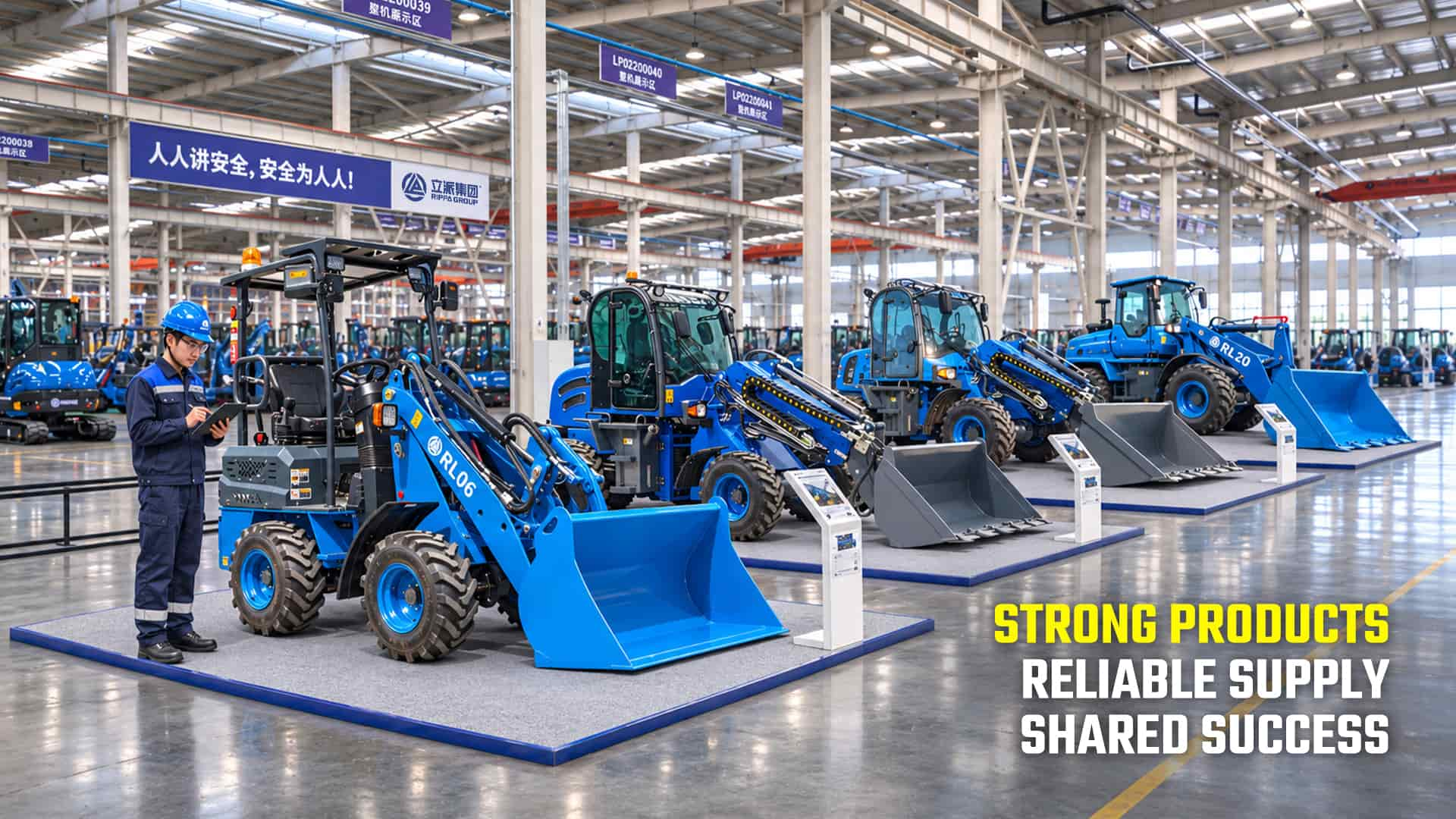
How to Compare Wheel Loader Manufacturers
The manufacturer behind the product can have a significant influence on the purchasing experience.
Verify Manufacturing Background
Check the company's official website, business history, factory information, product portfolio, and contact details.
If the supplier claims to operate its own factory, request relevant production information to verify that claim.
Review Product Quality Management
Ask how the manufacturer manages product inspections and production quality.
Useful information may include:
Incoming component inspection
Assembly process checks
Finished product inspection
Product testing procedures
Documentation and traceability
The goal is to understand whether the manufacturer has a defined process for managing product quality.
Compare the Actual Product Configuration
Two wheel loaders may have different configurations even when their product descriptions appear similar.
Before comparing quotations, confirm the included components, optional equipment, attachments, and other relevant product details.
A fair comparison requires equivalent configurations.
How to Select a Wheel Loader for Different Applications
The intended working environment should guide equipment selection.
Wheel Loaders for Construction Sites
Construction sites commonly use wheel loaders to move soil, sand, gravel, and other materials.
Buyers should consider site conditions, material types, loading requirements, and the machine's working role within the project.
Wheel Loaders for Agriculture
Agricultural operations may use wheel loaders for moving feed, soil, fertilizer, and other bulk materials.
The selection process should focus on the materials being handled and the layout of the working area.
Wheel Loaders for Material Handling
Material yards and storage facilities may use wheel loaders for loading, transferring, and organizing bulk materials.
Buyers should evaluate the daily workload, material characteristics, and compatibility with the intended operating environment.
What Should Be Included in a Wheel Loader Quotation?
A complete quotation should help buyers understand the equipment and the commercial terms.
Product and Configuration Details
The quotation should clearly identify the product and its configuration.
Buyers should check the model, included components, optional equipment, attachments, and relevant product documentation.
Commercial and Shipping Terms
International buyers should also confirm:
Unit price and currency
Minimum order requirements, if applicable
Payment terms
Production schedule
Packaging and loading arrangements
Shipping terms
Required export documents
These details should be agreed upon before an order is finalized.
Parts and Technical Communication
Ask how the supplier handles spare parts inquiries and technical questions.
For dealers, a clear parts communication process is useful when supporting customers after equipment delivery.
Why Equipment Dealers Should Evaluate Long-Term Supplier Cooperation
For dealers, choosing a wheel loader supplier is not only about completing one purchase.
A long-term supplier relationship may affect product availability, customer service, business planning, and future product expansion.
Consider Complementary Equipment Categories
Dealers serving construction and agricultural customers may also evaluate related equipment categories.
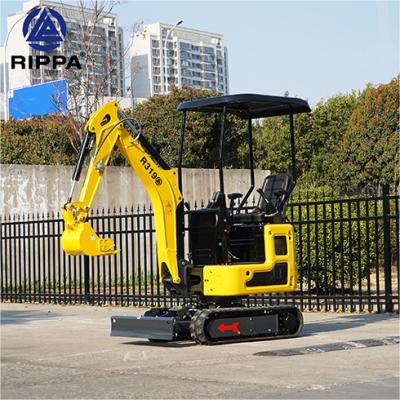
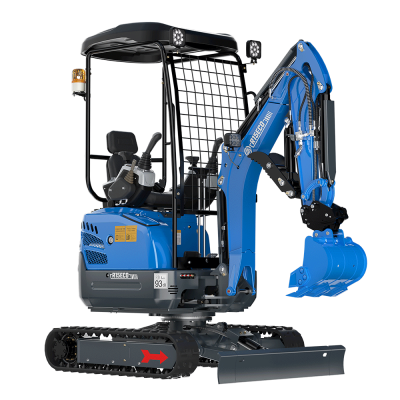
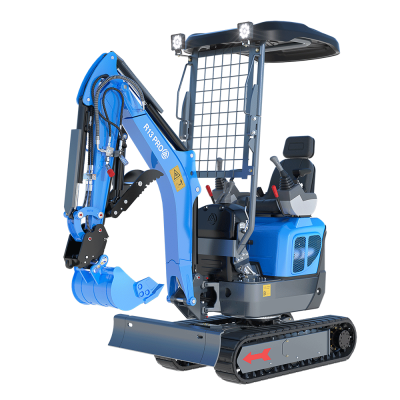
Depending on local demand, these may include mini excavators, skid steer loaders, backhoes, and other compact construction machinery.
A broader equipment portfolio can help dealers serve customers with different project requirements.
Discuss Market and Distribution Opportunities
Before establishing cooperation, dealers should discuss their target market, customer segments, product selection, and distribution expectations.
Clear communication helps both parties understand the business opportunity and commercial responsibilities.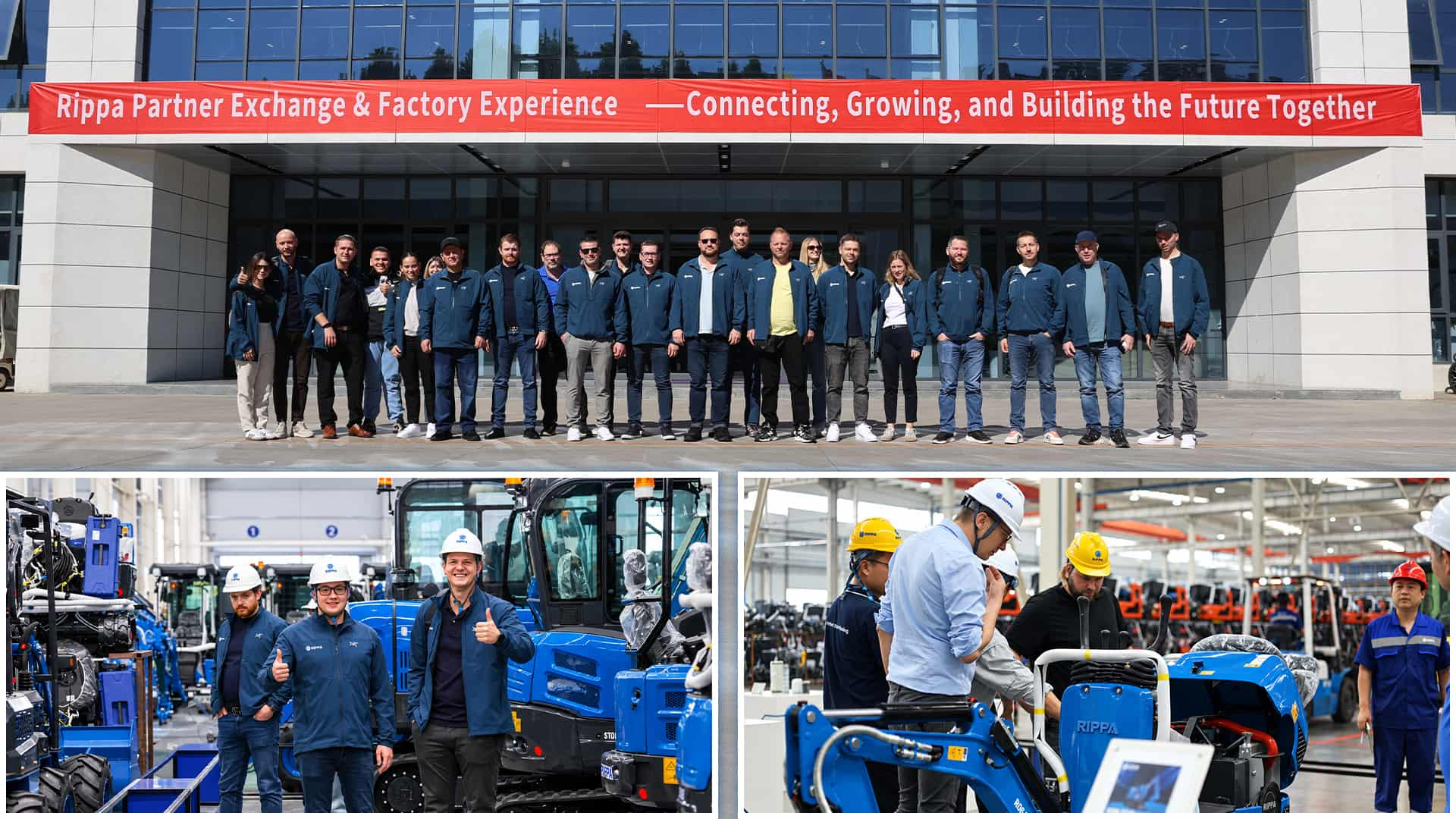
Frequently Asked Questions About Wheel Loader Suppliers
How do I find a reliable wheel loader supplier?
Start by checking the supplier's business background, product range, manufacturing information, export experience, documentation, and communication process. Request detailed quotations before making a decision.
What is the difference between a wheel loader manufacturer and a distributor?
A manufacturer produces the equipment, while a distributor purchases products for resale in a particular market. Some companies may perform both roles.
What information should I request from a wheel loader supplier?
Request product catalogs, configuration details, quotations, available options, shipping information, relevant documents, and information about spare parts communication.
Can I buy wheel loaders directly from a Chinese manufacturer?
International buyers can contact Chinese manufacturers to discuss direct purchasing, product options, commercial terms, and export arrangements.
Can equipment dealers purchase multiple construction machinery categories from one supplier?
Some manufacturers offer multiple construction equipment categories. Dealers should check the supplier's actual product portfolio and determine whether it matches their local market requirements.
Contact RIPPA for Construction Equipment Supply Inquiries
Selecting a suitable wheel loader supplier requires a clear understanding of your market, product requirements, and purchasing arrangements.
RIPPA works with international construction equipment buyers and business partners. Contact the RIPPA team to discuss product information, sourcing requirements, and potential distribution cooperation.