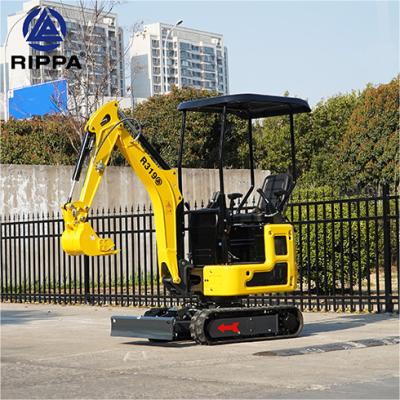
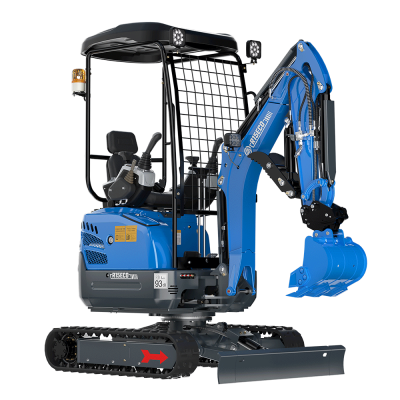
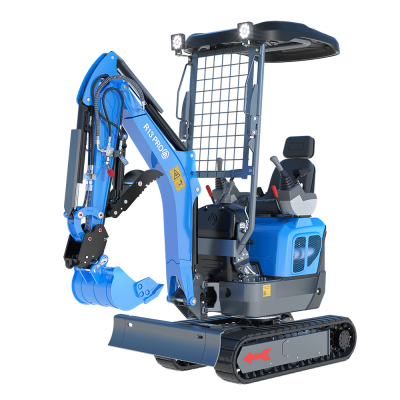
Rippa 1 Ton Mini Excavator: Compact Equipment for Small Jobs
When space is limited but excavation work still needs to be done, a compact machine can make a major difference. The Rippa 1 ton mini excavator is designed for customers looking for a smaller excavator for landscaping, farm maintenance, residential construction, trenching, and other light-duty applications.
Searches such as Rippa mini excavator 1 ton, Rippa 1 ton mini excavator,show that buyers are increasingly comparing compact excavator options for small jobs. But choosing a machine should go beyond operating weight. The working environment, transport requirements, attachments, and daily workload all matter.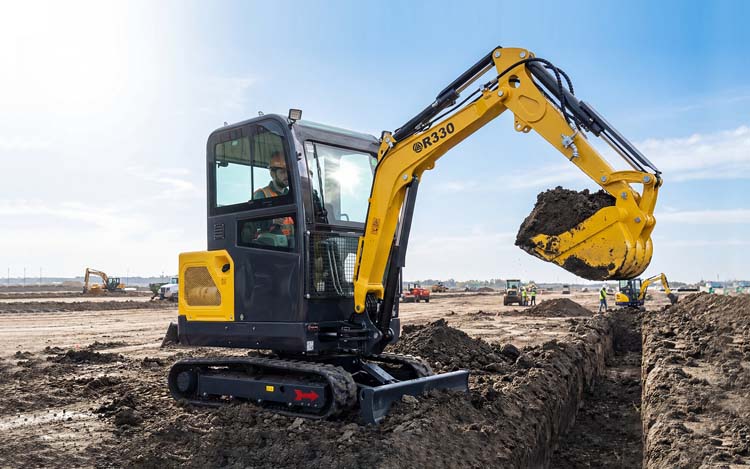
Why Choose a 1 Ton Mini Excavator?
A 1 ton mini excavator is particularly useful where access is more important than maximum digging capacity.
Residential properties, gardens, farms, narrow construction sites, and landscaping projects can have limited access. A larger excavator may simply be too difficult to bring into these areas.
A compact excavator can help with tasks such as:
Trenching and drainage
Landscaping
Garden preparation
Small foundation work
Farm maintenance
Utility installation
Irrigation projects
General property improvement
For contractors handling multiple small projects, a compact excavator can also be easier to transport between job sites.
Rippa Mini Excavator 1 Ton for Landscaping
Landscaping is one of the most common applications for small excavators.
Operators may need to remove soil, create drainage channels, prepare planting areas, install irrigation systems, or reshape sections of a property. These tasks often take place close to buildings, fences, trees, and gardens.
A Rippa mini excavator 1 ton can be a practical choice when maneuverability and access are important.
The smaller footprint can help operators work in areas where conventional construction equipment would be difficult to position.
Rippa 1 Ton Mini Excavator for Farms
Farm work often involves a wide range of smaller excavation and maintenance jobs.
A compact excavator may be used for drainage, irrigation, fence installation, pond maintenance, road repairs, and general land preparation.
The key advantage is flexibility. Instead of using the machine for only one type of excavation, farmers can select different attachments for different seasonal tasks.
Before purchasing, consider the terrain on your property and the type of work that will be performed most frequently.
Access
Can the machine pass through your narrowest gate, entrance, or working area?
Digging Requirements
Consider the typical trench depth, digging conditions, and workload. A very small machine may be ideal for landscaping but less suitable for continuous heavy excavation.
Transportation
Compact excavators are often selected because they are easier to move between job sites. Check the required trailer and transportation setup before purchasing.
Attachments
The right attachment can significantly expand the machine's usefulness. Ask about compatible buckets, breakers, augers, rakes, and other tools.
Operator Environment
If the machine will be used for long working periods, operator visibility, controls, access, and overall comfort should also be considered.
Attachments Make a Small Excavator More Versatile
A mini excavator does not have to be limited to standard digging.
Depending on the model and hydraulic configuration, different attachments can be used for different applications.
For example, an auger can help with post holes and landscaping, while a hydraulic breaker can be used for concrete and light demolition work. Different bucket designs can also improve productivity when working with different materials.
For contractors, attachment compatibility can therefore be an important part of the buying decision.
Is a 1 Ton Mini Excavator Right for Your Business?
A 1 ton excavator is not intended to replace every larger machine. Its advantage is specialization in compact work.
It can be particularly suitable for:
Landscapers: Easy access to gardens and residential properties.
Farmers: Useful for drainage, irrigation, fencing, and property maintenance.
Small contractors: Suitable for residential and utility projects.
Rental companies: A compact machine can serve customers who do not require a large excavator.
Property owners: Useful for occasional landscaping and improvement projects.
If your business regularly handles large-scale excavation, a larger excavator may be more appropriate. But for small jobs where access is a major concern, a compact excavator can offer a more practical solution.
What to Check Before Buying a Rippa Mini Excavator
Before purchasing a Rippa 1 ton mini excavator, buyers should look beyond the machine itself.
Ask the supplier about available configurations, attachments, spare parts, maintenance requirements, transportation, documentation, and technical support.
International buyers should also confirm the requirements of their destination market before ordering. Regulations, emissions standards, safety requirements, and preferred equipment configurations can vary between countries.
For dealers, it is equally important to understand the local market. A compact excavator may be popular with landscapers in one market but more frequently used for agriculture or utility work in another.
Why Consider Rippa?
Rippa offers a range of compact excavators and construction equipment designed for different applications and international markets.
For customers looking for compact machinery, the advantage of working with a manufacturer with a broader product range is the ability to compare different machine sizes and equipment types according to actual applications.
Whether you need a small excavator for landscaping or larger equipment for construction, choosing the machine based on workload and working conditions is more important than simply selecting the smallest or lowest-priced option.
Final Thoughts
The Rippa 1 ton mini excavator can be a practical option for small excavation jobs where access, maneuverability, and transportation are important.
If you are searching for a Rippa mini excavator 1 ton start by identifying your most common applications. Consider the available working space, ground conditions, transportation, attachments, maintenance, and local market requirements before making a decision.
For contractors, farmers, landscapers, rental businesses, and dealers, the right compact excavator can become a useful addition to a wider equipment fleet.
Looking for a Rippa mini excavator for your project or business? Contact Rippa to discuss available models, attachments, configurations, and purchasing options.