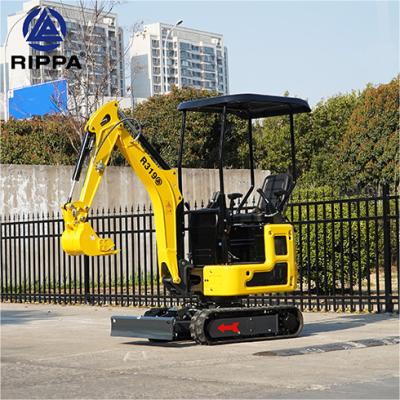
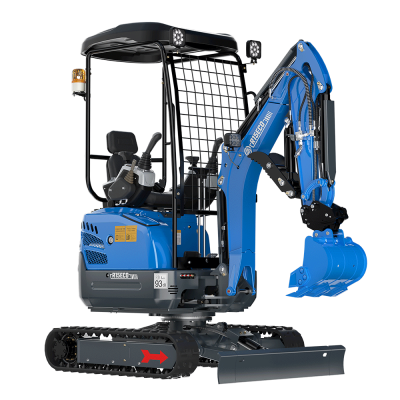
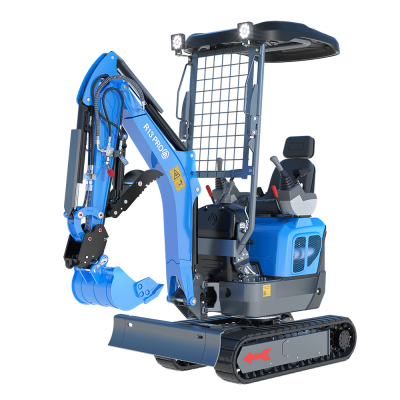
Compact Skid Steer Loader: A Complete Guide for Global Buyers in 2026
Understanding Compact Skid Steer Loaders and Their Core Advantages
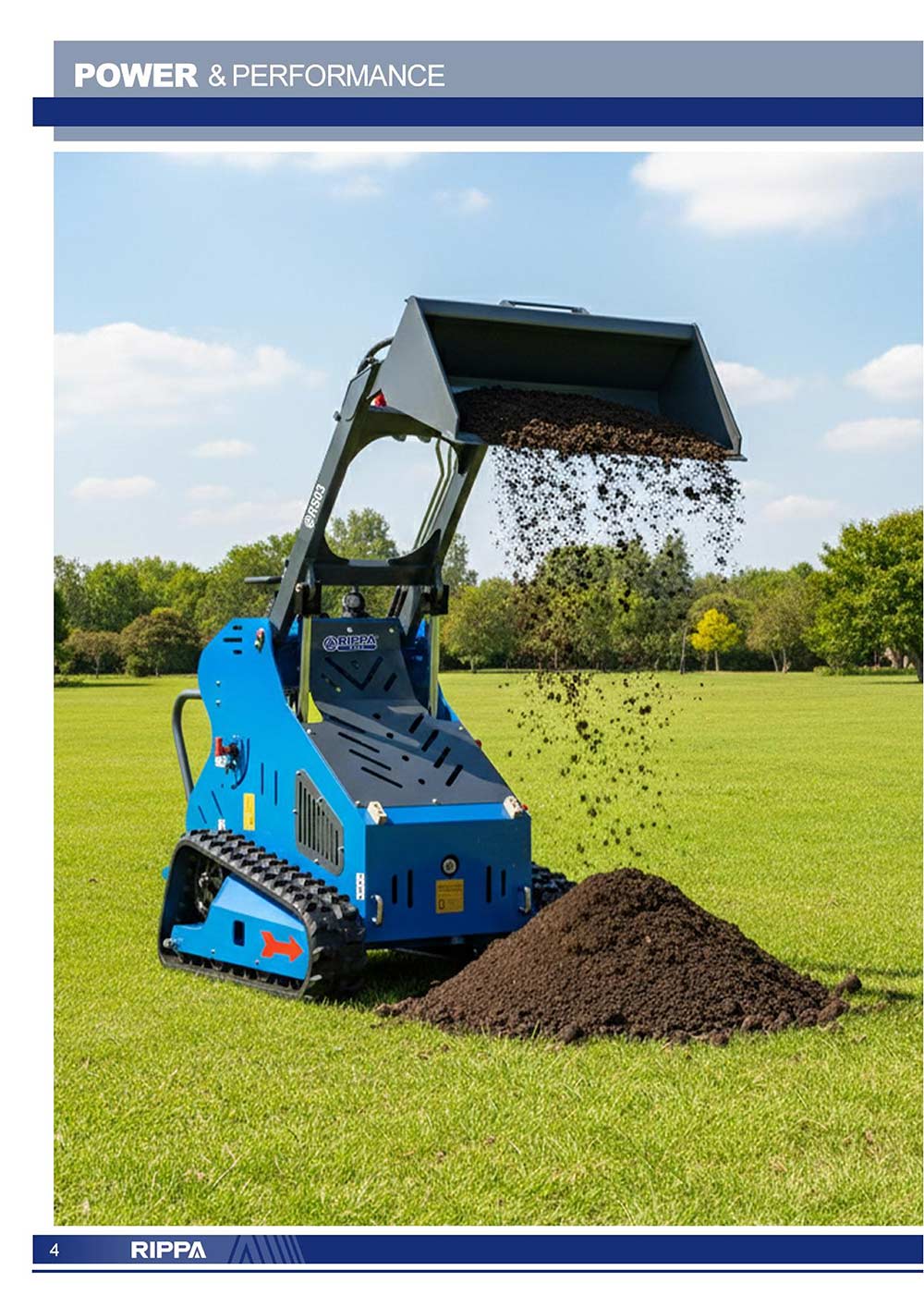
A compact skid steer loader is one of the most versatile machines used today across construction, landscaping, agriculture, and municipal projects. Its popularity among global contractors and equipment dealers comes from a unique combination of small footprint, high power-to-size ratio, and exceptional attachment compatibility. Designed to operate efficiently in confined environments, this machine delivers strong performance without requiring large working areas, making it ideal for both urban and rural applications.
Structurally, a compact skid steer loader is a small, rigid-frame loader that uses skid steering, meaning the left and right wheels move at different speeds to allow the machine to turn within its own footprint. This steering method enables near-zero turning radius, which is especially valuable on crowded job sites, narrow access roads, indoor projects, and residential developments. Compared with full-size loaders, compact models are easier to transport while still offering impressive lifting and digging capabilities when paired with the right attachments.
Despite their compact dimensions, these loaders are capable of handling heavy-duty tasks. With operating weights typically ranging from 1.5 to 3.5 tons, they strike an effective balance between mobility and productivity. For global buyers in 2026, this balance is a major reason compact skid steer loaders continue to dominate demand in small to mid-scale projects.
Key Features That Define Modern Compact Skid Steer Loaders
One of the most important characteristics of a compact skid steer loader is its high productivity in a small package. Advanced engine technology and efficient hydraulic systems allow these machines to deliver strong breakout force and stable lifting performance. This makes them suitable for material handling, grading, trenching, and loading tasks without sacrificing efficiency or control.
Another defining feature is the zero or near-zero turning radius enabled by skid steering. This precise maneuverability allows operators to work confidently in tight corridors, enclosed construction zones, and indoor environments such as warehouses or barns. For landscaping and municipal maintenance, this level of control reduces the risk of surface damage and improves overall job accuracy.
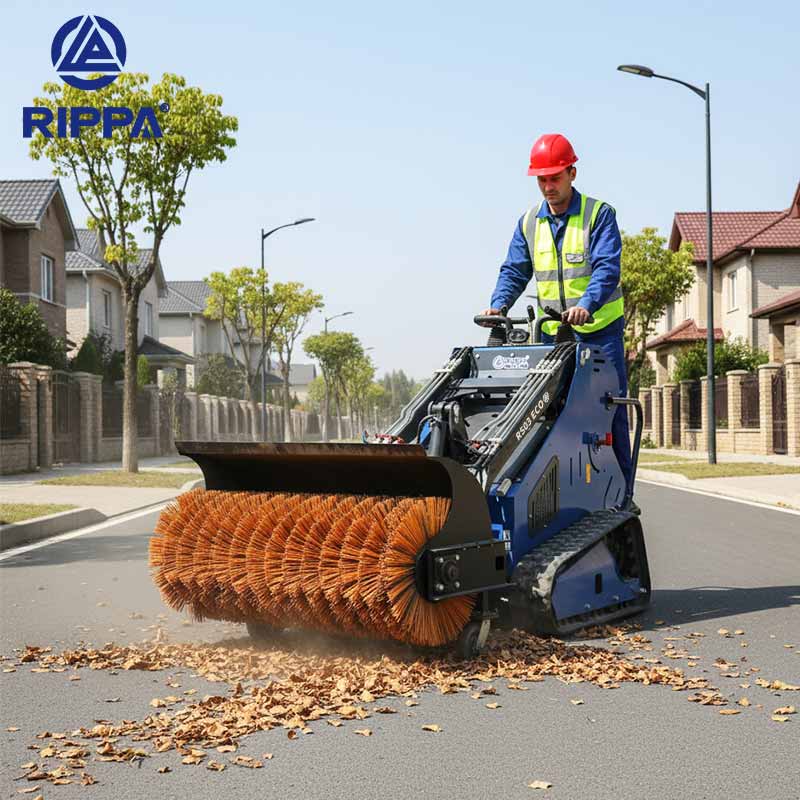
Attachment versatility is a core reason many buyers choose compact skid steer loaders over single-purpose machines. With support for buckets, augers, pallet forks, sweepers, snow blowers, trenchers, and more, one loader can replace several specialized units. Industry-standard quick couplers make attachment changes fast and simple, allowing operators to adapt the machine to new tasks within minutes. This flexibility significantly improves return on investment, particularly for rental fleets and contractors managing diverse projects.
Modern compact skid steer loaders are also designed with operator comfort and usability in mind. Ergonomic cabs, joystick controls, improved visibility, and reduced vibration and noise levels contribute to longer, more productive workdays. These features not only improve efficiency but also reduce operator fatigue, an increasingly important consideration for professional users.
Applications, Pricing, and Buying Considerations for Global Markets
Compact skid steer loaders are widely used across multiple industries. In construction, they support material handling, site leveling, concrete preparation, and light demolition tasks. In landscaping, they are essential for soil movement, grading, tree planting, and hardscape installation. Agricultural users rely on them for feed handling, manure cleaning, barn operations, and bale transport. Municipalities and rental fleets value them for road cleaning, snow removal, and utility maintenance, where reliability and ease of use are critical.
Pricing varies significantly depending on brand, configuration, and region. As of 2025, entry-level compact skid steer loaders typically range from USD 12,000 to 18,000, mid-range models fall between USD 18,000 and 28,000, and premium Western brands often exceed USD 30,000. Buyers sourcing directly from Chinese manufacturers can often reduce costs by 30–40% while still meeting international quality and certification requirements.
When selecting a compact skid steer loader for a specific market, engine and emissions compliance is a key factor. For Europe and North America, engines meeting EPA or Euro V standards are essential. Diesel engines remain the dominant choice due to their superior torque output and fuel efficiency. Rated operating capacity should also align with the most commonly used attachments to avoid underpowered performance.
After-sales support plays a crucial role for international buyers. Reliable spare parts availability, remote technical support, and clear warranty terms help ensure long-term uptime. Supplier reliability is equally important, and global buyers increasingly prefer manufacturers that offer OEM and ODM services, stable production capacity, and clear dealer protection policies.
China has emerged as a major manufacturing hub for compact skid steer loaders due to its mature supply chains, cost-efficient production, and flexible customization options. Brands like RIPPA focus on export-oriented design, international certifications, overseas warehouse support, and dealer-friendly cooperation models. These strengths make it easier for distributors in North America, Europe, Australia, and emerging markets to access competitive and reliable equipment.
Market trends leading into 2026 show continued growth in urban infrastructure projects, expanding rental and fleet businesses, and increased use of compact equipment in agriculture and landscaping. Small contractors and independent operators are also showing strong interest due to the favorable return on investment. For many small to mid-sized projects, compact skid steer loaders consistently outperform larger machines in terms of efficiency, cost control, and adaptability.