Definition and Core Concept of a Skid Steer Loader
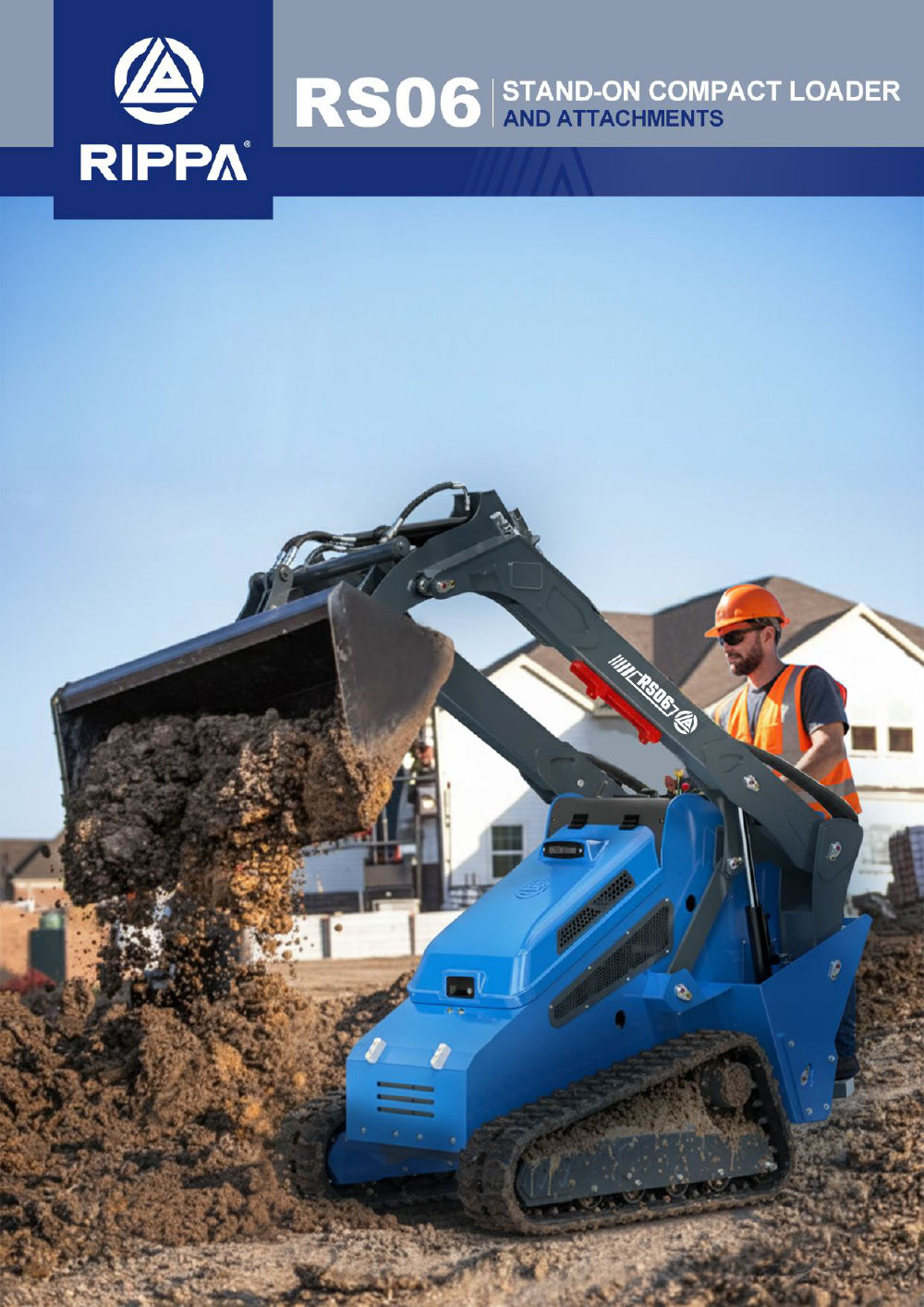
If you are searching for “what is a skid steer loader,” you are likely looking for a clear and practical explanation of this highly versatile piece of equipment. A skid steer loader, more formally known as a skid-steer loader, is a compact, engine-powered machine designed for lifting, digging, pushing, and material handling in tight or enclosed spaces. Its unique design allows it to deliver strong performance while maintaining a very small operating footprint.
A skid steer loader is built with a rigid frame and independently controlled wheels or tracks on each side. By driving the left and right sides at different speeds, the machine can turn in place, a movement referred to as skid steering. This zero-radius turning capability gives the skid steer loader exceptional maneuverability, making it ideal for crowded construction sites, urban environments, and indoor operations where space is limited.
Despite its compact size, a skid steer loader is not a light-duty machine. When equipped with the proper attachments, it can perform tasks traditionally handled by much larger equipment. This combination of small size and high capability is the foundation of its global popularity across multiple industries.
How Skid Steer Loaders Work and Their Key Features
The working principle of a skid steer loader is based on a simple yet powerful system. A compact diesel or gasoline engine provides power to a hydraulic system that drives both the lift arms and the attached tools. Two lift arms are mounted on either side of the cab, allowing attachments to be raised, lowered, and controlled with precision. Instead of a conventional steering mechanism, the wheels or tracks skid slightly against the ground to change direction, enabling extremely tight turns.
One of the most important product features of modern skid steer loaders is their versatility. Thanks to a hydraulic quick-attach system, operators can change attachments quickly without leaving the cab. Buckets, pallet forks, augers, trenchers, snow blowers, grapples, and sweepers can all be mounted on the same machine. With the right attachment, a single skid steer loader can replace several specialized machines, significantly reducing equipment costs and storage requirements.
Another defining feature is the availability of different configurations to suit various working conditions. Wheeled skid steer loaders are best suited for hard surfaces, offering faster travel speeds and lower operating costs. Tracked skid steer loaders provide superior traction on soft, muddy, or uneven ground while reducing ground pressure and improving stability. Manufacturers like RIPPA offer both wheeled and tracked options to meet the needs of global users operating in diverse environments.
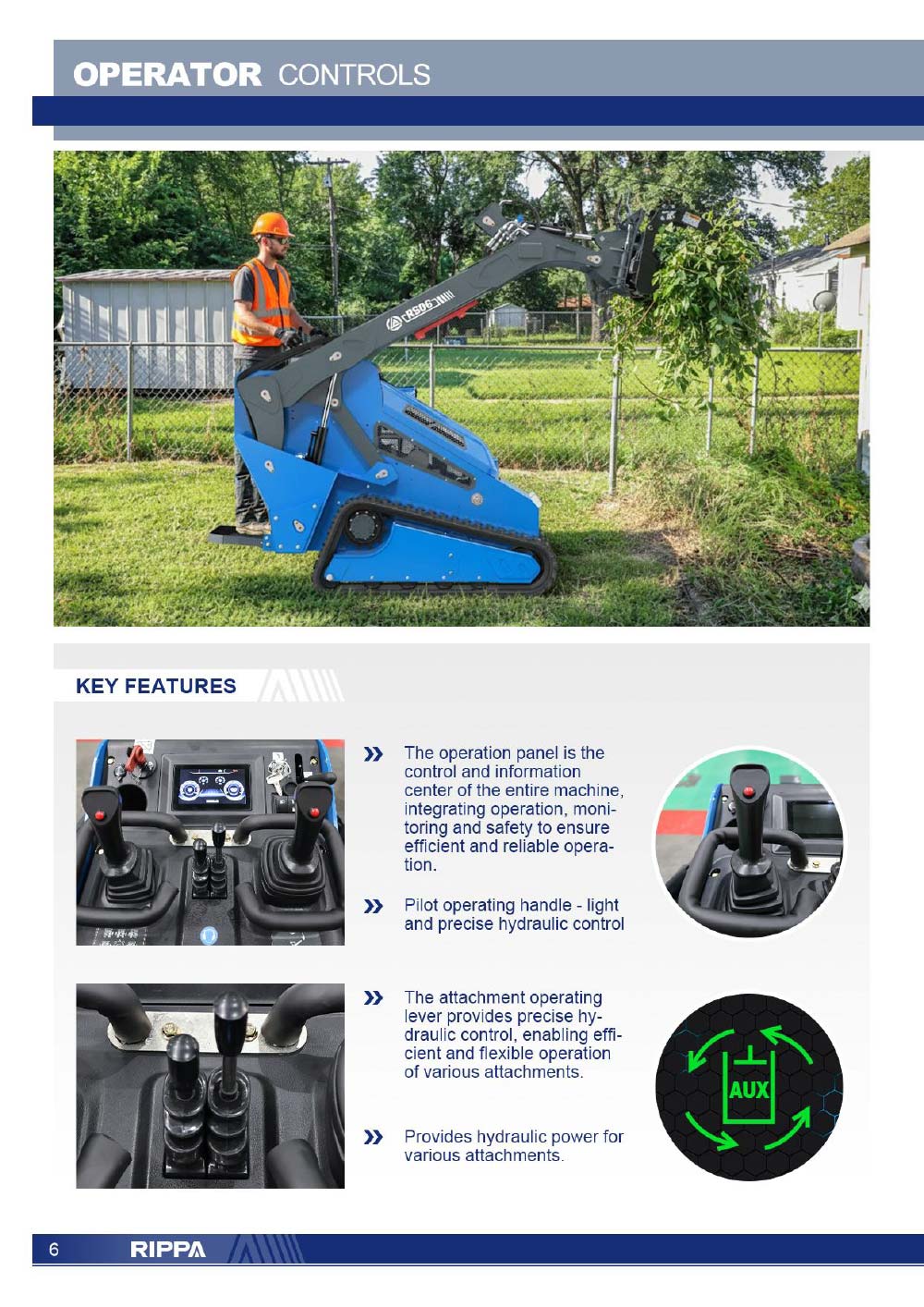
Operator-focused design is also a key characteristic of modern skid steer loaders. Ergonomic controls, joystick steering, improved visibility, and reduced vibration and noise levels make these machines easier and safer to operate. Enclosed cabs with heating and air conditioning are commonly available, allowing operators to work comfortably in extreme weather conditions.
Applications, Global Use Cases, and Modern Market Relevance
Skid steer loaders are used across a wide range of industries due to their adaptability. In construction and demolition, they are commonly used for material handling, site cleanup, light excavation, concrete preparation, and support tasks. Their compact size allows them to operate in areas where larger loaders or excavators cannot easily access.
In landscaping and site preparation, skid steer loaders are valued for grading, soil movement, tree planting, and hardscape installation. Agricultural operations rely on them for feed handling, manure cleaning, barn maintenance, and bale transport. Municipal and commercial users frequently deploy skid steer loaders for snow removal, road cleaning, and public facility maintenance, especially in urban areas where space constraints are common.
The global popularity of skid steer loaders is driven by several practical advantages. They offer a high power-to-size ratio, excellent attachment compatibility, easy transportation, and relatively low ownership and maintenance costs. These benefits explain why skid steer loaders are widely adopted by contractors, rental companies, and fleet operators around the world.
From a manufacturing perspective, modern skid steer loader producers are increasingly focused on export-oriented design and international standards. RIPPA, for example, supplies skid steer loaders for global markets with competitive pricing, factory-direct sales, and configurations tailored for international regulations. Support for dealers and fleet buyers, along with compatibility with globally standardized attachments, makes such machines attractive alternatives to traditional premium brands.
In simple terms, a skid steer loader is a compact, powerful, and highly flexible machine that uses hydraulic lift arms and interchangeable attachments to perform a wide range of tasks, while steering by skidding its wheels or tracks. This straightforward but effective design ensures that skid steer loaders remain a core piece of equipment in modern construction, agriculture, landscaping, and municipal operations worldwide.