What Is a Tracked Skid Steer Loader Called in the Industry
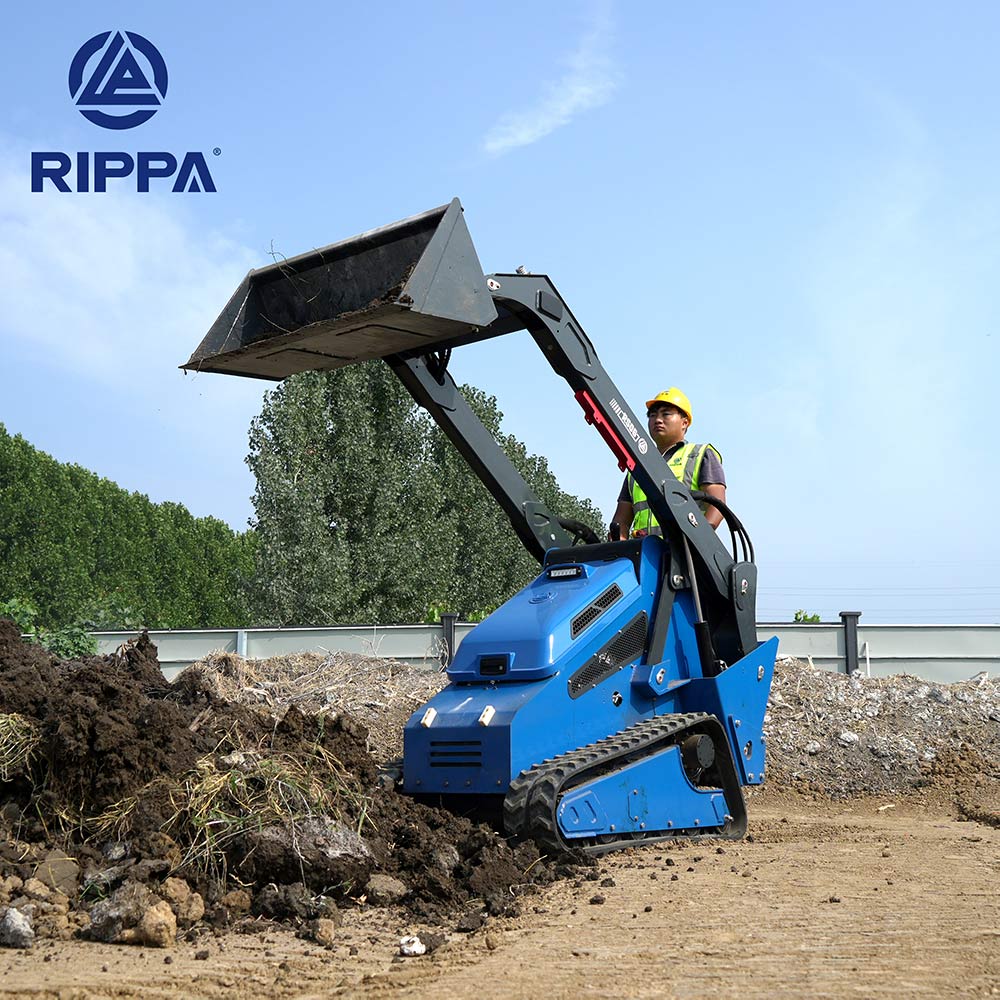
A tracked skid steer loader is most accurately known as a Compact Track Loader, commonly abbreviated as CTL. In construction, landscaping, agriculture, and rental industries, this term is widely used to describe a skid-steer-style machine that operates on rubber tracks instead of wheels. While many people casually refer to it as a “tracked skid steer” or “crawler skid steer,” these are informal descriptions rather than the official technical name.
The Compact Track Loader shares many core design elements with a standard skid steer loader, including a rigid frame, lift arms, and a universal attachment mounting system. The critical difference lies in the undercarriage. Instead of four wheels, a CTL uses a rubber track system that distributes the machine’s weight more evenly across the ground. This structural change dramatically alters how the machine performs in challenging terrain.
Using the correct term is important when researching specifications, comparing performance data, ordering replacement parts, or requesting quotations from manufacturers and dealers. Searching for “Compact Track Loader” rather than informal names ensures more accurate technical information and better purchasing decisions, especially for professional buyers and fleet operators.
Compact Track Loader vs Skid Steer Loader: Key Differences Explained
A standard skid steer loader, sometimes abbreviated as SSL, is a wheeled machine designed primarily for hard, flat surfaces such as concrete, asphalt, or compacted soil. It offers faster travel speeds, lower upfront cost, and simpler maintenance in environments where traction demands are moderate. For warehouses, paved construction sites, and urban maintenance work, wheeled skid steers remain highly efficient.
A Compact Track Loader, on the other hand, is engineered for conditions where wheeled machines struggle. Rubber tracks provide significantly greater traction on mud, sand, snow, and loose soil. The larger ground contact area improves pushing power and reduces wheel slip, allowing the machine to work productively even in wet or uneven environments. This makes CTLs particularly valuable for landscaping, agricultural fields, forestry work, and undeveloped construction sites.
Another important distinction is ground pressure. CTLs distribute their weight more evenly, resulting in lower ground pressure compared to wheeled skid steers. This reduces soil compaction and surface damage, which is critical for lawn care, turf installation, and finished landscaping projects. The improved stability of tracked machines also enhances safety and precision when working on slopes or uneven terrain.
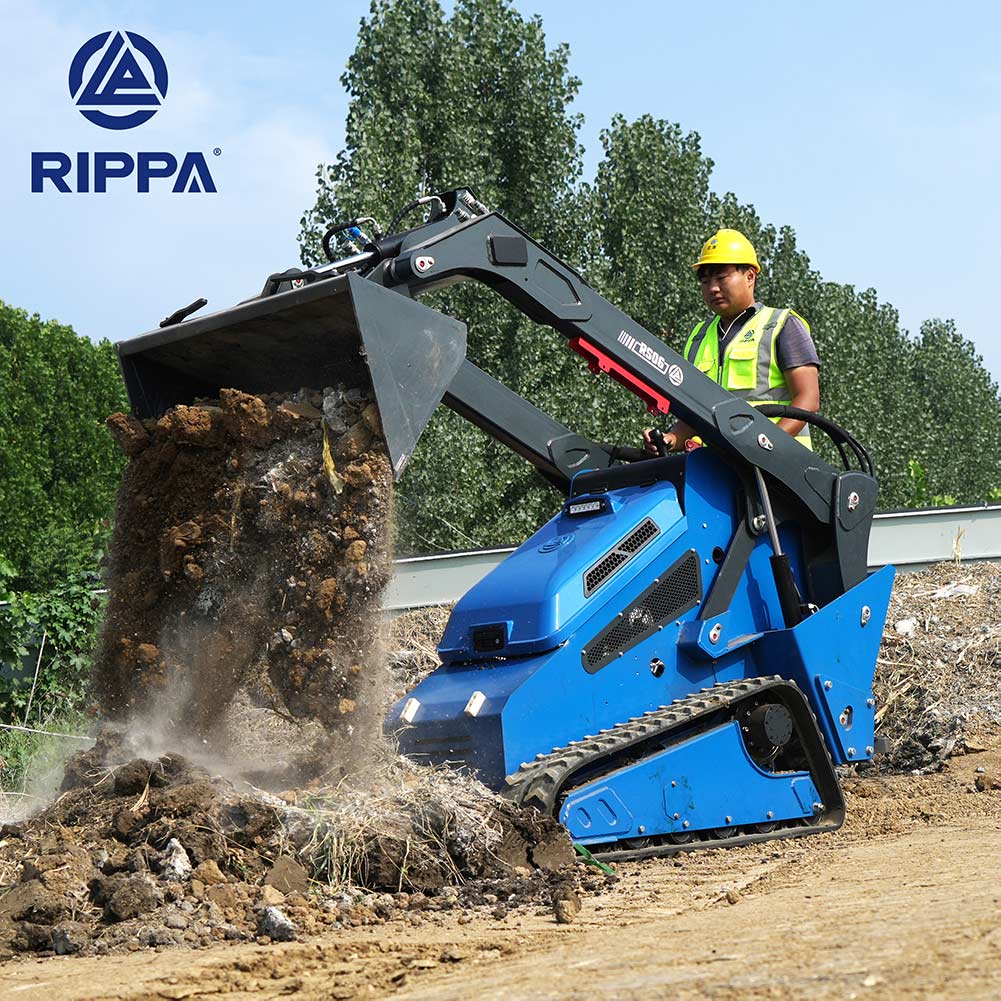
Product Features and Practical Advantages of Compact Track Loaders
Compact Track Loaders are known for several performance-focused features that set them apart in demanding applications. One of the most notable advantages is superior traction. The rubber track system maintains consistent contact with the ground, enabling the machine to operate confidently in slippery or soft conditions where wheeled skid steers may lose grip.
Lower ground disturbance is another defining feature. By spreading machine weight over a wider surface area, CTLs minimize rutting and surface damage. This makes them especially suitable for landscaping, residential construction, and agricultural work where preserving ground integrity is a priority. Contractors working year-round often choose CTLs to avoid downtime caused by weather-related site conditions.
Stability is significantly enhanced in a Compact Track Loader. The track-based undercarriage improves balance during lifting, grading, and pushing operations. This added stability allows for smoother operation with heavy attachments and increases operator confidence, particularly on uneven ground or inclines. Combined with modern cab designs and ergonomic controls, CTLs offer both performance and comfort.
Like skid steer loaders, Compact Track Loaders support a wide range of attachments. Buckets, augers, trenchers, grapples, pallet forks, snow blowers, and forestry tools can all be mounted using standard quick-attach systems. This attachment compatibility allows a single CTL to perform multiple roles across different seasons and job types, maximizing equipment utilization and return on investment.
Manufacturers such as RIPPA offer Compact Track Loaders configured for global markets, with designs focused on durability, export compliance, and compatibility with internationally standardized attachments. These machines are built to meet the needs of contractors, rental companies, and dealers who require reliable performance across diverse working conditions.
Understanding that a tracked skid steer loader is officially called a Compact Track Loader helps buyers communicate more clearly, research more effectively, and choose the right machine for their applications. With their traction, stability, and versatility, CTLs continue to play a critical role in modern construction, landscaping, agriculture, and land management worldwide.