What is a good mini skid steer to buy?
What is a good mini skid steer to buy
Are you tired of staring at a mountain of mulch with only a wheelbarrow and an aching back? A mini skid steer is the answer, but before you can get your weekends back, you face your first big decision. It’s not about brand or horsepower—it’s about what meets the ground, and it’s the choice that will define what your machine can do.
Choosing between wheels and tracks is a lot like picking tires for a car. Wheels are like summer tires—fast and efficient on hard surfaces but can easily get stuck in the mud. Tracks, in contrast, are like snow tires—slower on pavement, but they provide amazing grip on tricky terrain. This single choice affects everything from traction to long-term cost.
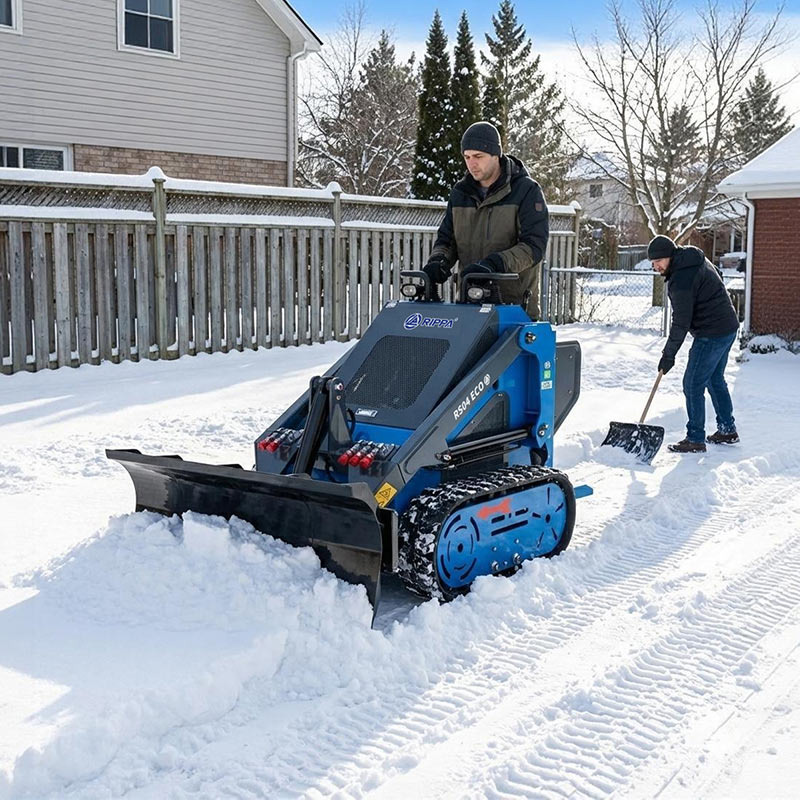
Surprisingly, a mini track loader is often gentler on established lawns. By spreading its weight over a larger surface area, it "floats" over soft ground and avoids creating the deep ruts that wheeled machines can leave behind. If you’re working on delicate turf, muddy ground, or slopes, tracks give you the confidence to get the job done without creating a bigger mess.
Wheels, on the other hand, are the king of speed and budget. A wheeled stand on skid steer is faster on pavement or hard-packed dirt, and the machines themselves often carry a lower purchase price and maintenance cost. The mini skid steer wheels vs tracks debate ultimately comes down to your primary work surface and how much you value all-terrain traction over upfront cost.
How Much Can It Lift? Understanding Rated Operating Capacity (ROC)
When you start comparing models, the first question you’ll likely ask is, "How much can this thing actually lift?" The answer to that lies in a number called Rated Operating Capacity (ROC). This is the maximum weight the machine can safely lift without becoming unstable or risking a tip-over. Knowing this number is the key to choosing the right size mini skid steer, ensuring it can handle your toughest jobs safely.
To figure out the mini skid steer lift capacity you need, it helps to visualize the weight of common materials. A machine with a 500-pound ROC can handle most typical landscaping tasks with ease, but you'll need more muscle for bigger jobs.
Quick Weight Guide:
Bag of mulch: ~40 lbs
Full wheelbarrow of soil: ~200 lbs
Small log (8" diameter, 8' long): ~300-500 lbs
Pallet of sod: ~1,200-2,500 lbs
Thinking realistically about the heaviest items you plan to move is crucial. While it’s tempting to get the most powerful machine available, a higher ROC almost always means a higher price tag. Don't pay for a 1,000-pound capacity if the heaviest thing you'll ever lift is a few bags of soil. Choosing a capacity that matches your actual needs is the smartest way to invest your money. Of course, the power to lift heavy loads often comes from the engine itself.
Gas vs. Diesel: What’s the Real Difference in Power and Cost?
Beyond lifting capacity, the engine is the heart of your machine, and you'll face a big choice: gas vs. diesel. You'll notice right away that gas models are significantly cheaper, which can be very tempting. While both types might have similar horsepower (HP) ratings, that number doesn't tell the whole story of how the machine feels and performs. Think of HP as the engine's top speed, but for heavy work, you also need to consider its raw muscle.
That "muscle" is called torque, and it’s where diesel engines truly shine. If horsepower is how fast you can swing a sledgehammer, torque is the weight of the hammerhead itself. Diesel engines deliver more low-end torque, giving them the grunt to push through tough soil, run demanding attachments, or power up a steep, muddy hill without bogging down. This makes a huge difference when you're doing more than just moving light materials on a flat surface.
For homeowners doing occasional projects, a gas engine is often the perfect fit. It’s less expensive upfront, and the fuel is easy to find. This makes it a contender for the best mini skid steer for homeowners who need a machine for weekend tasks like mulching or moving firewood. On the other hand, if you’re running a business where the machine is working all day, every day, a diesel engine will likely pay for itself. They are more fuel-efficient and are built for a longer service life under constant strain.
Ultimately, your choice depends on your workload. A gas engine provides more than enough power for many property management tasks. However, if your projects regularly involve breaking new ground or you plan to use power-hungry tools, the superior torque of a diesel is a worthwhile investment. The engine, after all, isn't just for driving the wheels; it's the powerhouse that runs the hydraulic system for all your tools, from a simple bucket to a powerful auger.
Beyond the Bucket: A Guide to Must-Have Mini Skid Steer Attachments
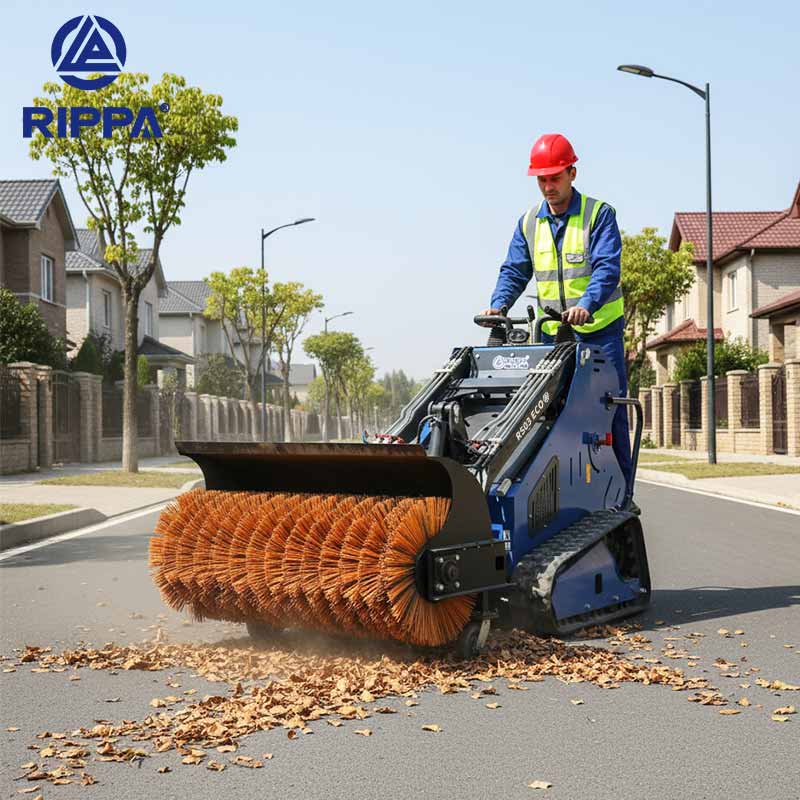
A mini skid steer with a bucket is already a game-changer, but its true power lies in its ability to become a different tool in seconds. The secret is in the quick-attach system and the hydraulic power that runs a whole world of mini skid steer attachments. Thinking about what you want to accomplish beyond just moving dirt is crucial, as this will guide your entire purchase.
Understanding your future projects helps you choose the right tools for the job. Most common skid steer attachments fall into a few key groups:
Lifting & Moving: Pallet forks are essential for moving building materials, sod, or logs. A grapple bucket acts like a powerful claw, perfect for clearing brush or rocks.
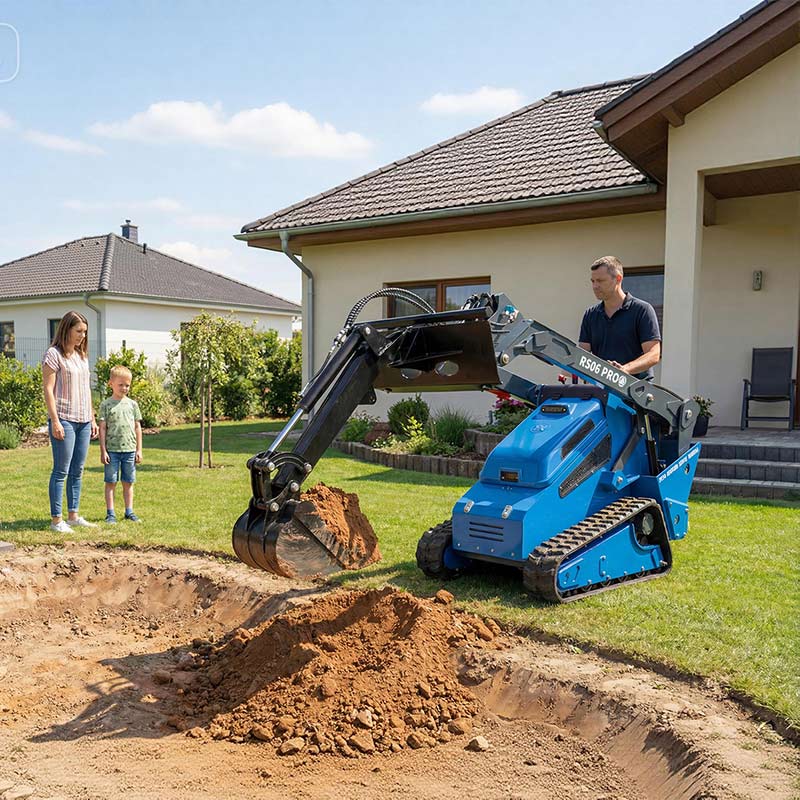
Digging & Earth-moving: An auger is a giant drill bit for digging perfect post holes for fences and decks. A trencher carves narrow channels for irrigation or utility lines.
Site Prep & Cleanup: A tiller churns soil for a new garden bed, while a soil conditioner can level ground, rake debris, and prepare a lawn for seeding all in one pass.
This versatility is powered by the machine’s “auxiliary hydraulics,” which are essentially power outlets for your attachments. All mini skid steers have this standard system, which is perfect for most tools. However, you’ll also hear the term “high-flow.” Think of it as a turbo-boost option. Standard flow is like a garden hose, great for most tasks, but high-flow is a fire hose, needed to run extremely power-hungry tools like a stump grinder or large trencher.
Knowing whether you need high-flow is important because it’s a feature you must choose when you buy the machine—it can't be easily added later. If your dream projects involve heavy-duty clearing or trenching, investing in a high-flow system from the start is a must. This decision will directly impact your total investment, which is a key factor when considering financing a mini skid steer.
How Much Does a New Mini Skid Steer Cost? (And Are There Hidden Fees?)
When you start shopping, the first thing you'll notice is the price tag, which can vary dramatically. A smaller, wheeled mini skid steer might start around $25,000, while a larger, more powerful tracked model with all the bells and whistles can easily exceed $60,000. This range depends heavily on the machine’s lifting capacity, horsepower, and whether it has features like a high-flow hydraulic system. Think of it like buying a pickup truck: the basic work truck is much less expensive than the fully-loaded 4x4 model.
However, that sticker price is often just for the machine and a simple dirt bucket. The true upfront investment includes the attachments you need to get your work done. A pallet fork set, an auger for digging post holes, and a grapple bucket for clearing brush can quickly add another $5,000 to $10,000 to your total. It's essential to budget for these tools from the start, especially when you are considering financing a mini skid steer, as they are what make the machine so versatile.
Finally, the spending doesn't end when you take the machine home. Just like any vehicle, there's the ongoing cost of ownership. This includes fuel, regular maintenance like oil and filter changes, and potential repairs down the line. You’ll also need a heavy-duty trailer to transport it. Understanding these long-term expenses is the key to deciding if a mini track loader is worth the investment for your property or business, or if another option might be a better fit.
New, Used, or Rent? How to Smartly Acquire Your Machine
After seeing the full cost, you might be wondering if you truly need to buy one. For one-off projects like digging a French drain or clearing a single overgrown lot, renting is often the smartest move. It gives you access to a powerful machine for a fraction of the price and is one of the best alternatives to a mini skid steer purchase for short-term needs. Renting also lets you test specific models you’ve read about in stand on skid steer reviews to see how they feel—a perfect "try before you buy" strategy.
If you’re running a business where downtime costs money or you simply want the peace of mind of a full warranty, buying new is your best bet. You get the latest technology, a pristine machine with zero hours, and the confidence that it will work reliably from day one. This is the highest-cost option, but it also provides the greatest security.
The middle ground for many is buying a used machine. You can save thousands of dollars, but it comes with the risk of inheriting someone else's problems. To protect yourself, a thorough check is non-negotiable. Use this simple used mini skid steer inspection checklist as your guide:
1. Check Engine Hours: Look for a machine with under 2,000 hours for the best value and remaining life.
2. Look for Hydraulic Leaks: Inspect all hoses, connections, and cylinders for any signs of dripping fluid.
3. Inspect Tracks or Tires: Look for deep cracks, significant chunking, or uneven wear.
4. Test All Functions: Drive the machine and operate the boom and bucket through their full range of motion.
5. Ask for Maintenance Records: A well-maintained machine often comes with a paper trail.
Ultimately, the right path depends on your project frequency and budget. If you'll use it often and want to save money, a carefully inspected used machine is a fantastic investment. Once you’ve decided which route to take, the next step is choosing a reliable manufacturer.
Your 3-Step Action Plan to Buying the Right Mini Skid Steer
Armed with an understanding of terms like 'Rated Operating Capacity' and 'auxiliary hydraulics,' you can evaluate a machine beyond its specs. You can now see the answers to whether it can lift your pallets, handle your terrain, and power the attachments you need. To turn this knowledge into a decision, here’s a simple 3-step plan:
Define Your Job: List your top 3-5 projects and walk your property to decide on Wheels vs. Tracks and your required Lift Capacity (ROC).
Set Your Budget: Decide if New, Used, or Renting fits your plan and budget for the machine PLUS essential attachments.
Test Drive: Find local dealers or rental yards. Try both joystick and lever controls and get a feel for the machine you're considering.
The right mini skid steer is more than just a piece of equipment; it’s a way to reclaim your weekends and save your back. You are now equipped to walk into a dealership with confidence, make a smart choice, and turn daunting projects into finished jobs.