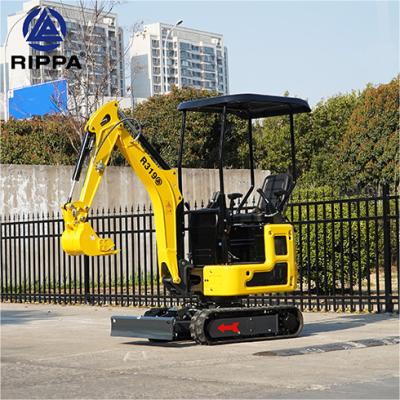
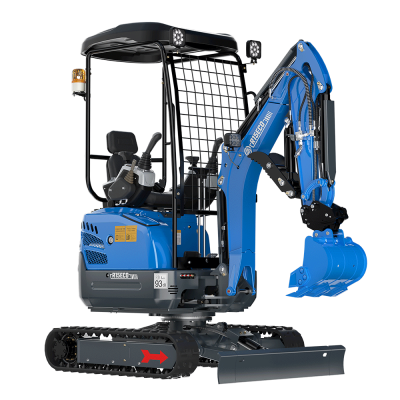
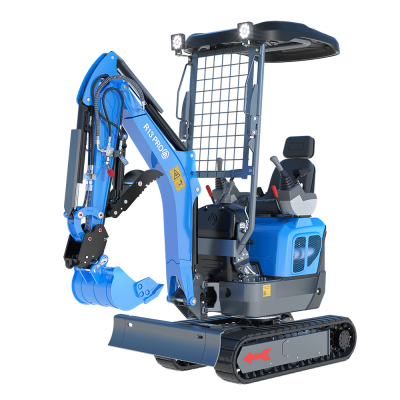
Chinese Mini Excavator Dealer for Wholesale and Import Supply
For equipment importers and wholesale buyers, choosing a Chinese mini excavator dealer involves more than negotiating the price of an individual machine. Buyers need to evaluate the supplier's role, product consistency, order process, shipping arrangements, documentation, and ability to support future purchases.
A suitable supplier can help a business establish a more organized sourcing process and serve its local customers more consistently.
Who Needs Wholesale Mini Excavator Supply?
Wholesale purchasing may suit businesses that sell equipment to local customers or distribute machinery to other companies.
Typical buyers include:
Construction equipment distributors
Machinery importers
Regional equipment dealers
Agricultural equipment suppliers
Construction businesses purchasing multiple units
Companies expanding their equipment portfolio
The appropriate purchasing model depends on order volume, available capital, storage, customer demand, and import requirements.
Manufacturer, Exporter, or Dealer?
When sourcing from China, first determine the supplier's role.
A manufacturer produces the equipment. An exporter or trading company arranges sales and may source products from one or more factories. A dealer sells equipment and may provide regional customer support.
These roles can overlap, but buyers should understand who is responsible for manufacturing, quality documentation, shipping, and after-sales communication.
Ask for the original manufacturer's identity and clarify which company will appear on the contract and commercial documents.
How to Compare Chinese Mini Excavator Dealers
When evaluating Chinese mini excavator dealers, focus on five areas.
Product Availability
Confirm which products are currently available and whether the supplier can support the quantity you need.
Order Consistency
If you expect recurring orders, ask how the supplier manages product availability, order confirmation, and communication about changes.
Export Documentation
Clarify which shipping and commercial documents the supplier provides and which documents must be arranged by the importer.
Check the product's applicable import and compliance requirements in the destination market before ordering.
Parts Supply
Ask how replacement parts are identified and ordered, whether parts can be shipped internationally, and what support is available for technical questions.
Commercial Terms
Review the quotation, payment schedule, shipping responsibilities, delivery terms, and procedures for handling discrepancies or damaged goods.
Calculate the Total Landed Cost
A wholesale quotation should be evaluated alongside the full cost of bringing the equipment to its destination.
Depending on the transaction, the total landed cost may include:
Equipment purchase price
International freight
Cargo insurance
Customs duties and taxes
Port and handling charges
Inland transportation
Storage and distribution expenses
The exact items and amounts depend on the destination, shipping arrangement, and applicable regulations.
Request a detailed quotation and compare suppliers using the same assumptions. A lower factory price may not translate into a lower final cost if shipping or other expenses are higher.
Plan Your First Wholesale Order
Before placing a large order, establish a clear purchasing process.
First, confirm the products and quantities required. Next, review the commercial terms and available documentation. Then agree on shipping responsibilities, delivery arrangements, payment milestones, and the process for reporting issues.
Businesses new to a supplier may consider starting with a smaller order when commercially practical. This can help them assess product quality, communication, shipping, and documentation before increasing purchase volume.
Build a Long-Term Supply Relationship
A reliable wholesale supplier should be able to communicate clearly about current products, future orders, parts, and support procedures.
For distributors, a long-term relationship may also involve product training, marketing resources, and market development. Confirm which resources the manufacturer actually provides.
Avoid basing a long-term decision entirely on a single quotation. Consider the supplier's overall performance and ability to support your business model.
RIPPA for International Equipment Buyers
RIPPA is a Chinese construction machinery manufacturer serving international markets.
Importers, distributors, and equipment businesses can contact RIPPA to explore its current compact equipment range and discuss purchasing or dealer cooperation.
Before placing an order, confirm product availability, order requirements, shipping arrangements, applicable documentation, and parts support for your destination.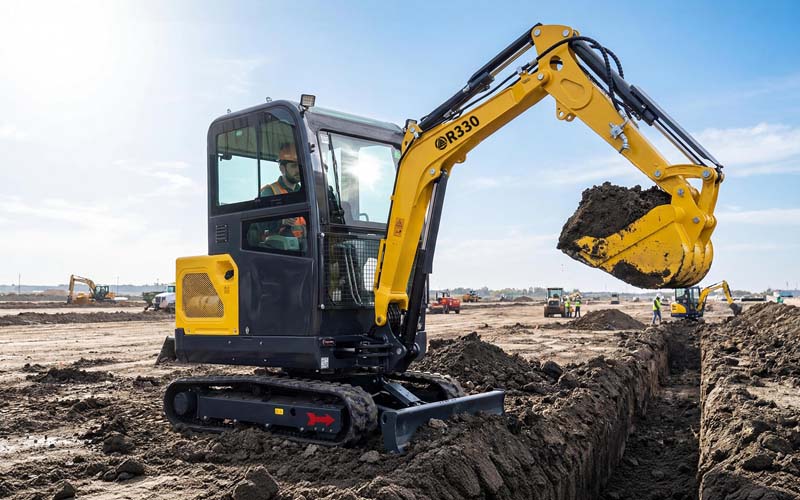
Frequently Asked Questions
Can I buy mini excavators directly from a Chinese manufacturer?
Some manufacturers accept international orders or work through distributors. Contact the supplier to confirm its purchasing process and commercial terms.
What is the biggest risk in wholesale equipment purchasing?
Risks vary by transaction. Common issues to manage include unclear supplier identity, incomplete contracts, unexpected landed costs, unsuitable products, and undefined after-sales responsibilities.
How can I compare wholesale quotations?
Use the same product requirements, quantity, shipping assumptions, payment terms, and delivery conditions for every supplier. Compare the total cost and support arrangements rather than the unit price alone.
Final Thoughts
Finding the right Chinese mini excavator dealer for wholesale supply requires careful supplier verification and cost planning.
Confirm the original manufacturer, review the product documentation, calculate landed costs, establish shipping responsibilities, and agree on parts and support procedures before ordering.
For importers and distributors, a dependable supply relationship can provide a stronger foundation for recurring purchases and business growth.
Discuss Wholesale and Distribution Opportunities
Contact RIPPA to discuss compact equipment supply, international purchasing, and potential B2B cooperation.