Chinese Mini Excavators for Importers: A Practical Buying Guide
Importing a Chinese mini excavator requires more than finding an attractive quotation. International buyers need to evaluate suppliers, confirm equipment specifications, understand shipping arrangements, and prepare for local market requirements.
For machinery importers, construction equipment wholesalers, and regional distributors, a structured sourcing process helps reduce purchasing uncertainty and establish a reliable supply chain.
Why Importers Source Chinese Mini Excavators
Chinese mini excavators serve a variety of commercial applications, including landscaping, residential construction, agricultural maintenance, and utility installation.
Importers may consider Chinese suppliers for several reasons:
Access to different compact equipment configurations.
Opportunities to communicate directly with manufacturers.
Options for building long-term wholesale purchasing relationships.
Potential to develop a local dealership or distribution business.
Access to product information and replacement parts through established supplier relationships.
The value of these advantages depends on the supplier's actual capabilities, the selected equipment, and the requirements of the destination market.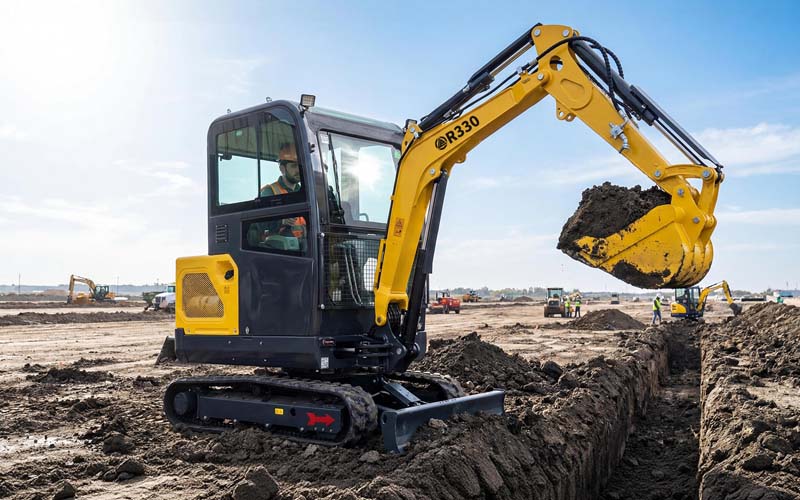
How to Source Chinese Mini Excavators Step by Step
Step 1: Define Your Purchasing Requirements
Before requesting quotations, identify your target customers, expected order volume, preferred equipment configurations, and destination port or delivery location.
Importers should also determine whether they need machines for inventory, confirmed customer orders, or a combination of both.
A clear purchasing brief makes supplier responses easier to compare and reduces the likelihood of ordering unsuitable equipment.
Step 2: Shortlist and Verify Suppliers
Review company background, manufacturing arrangements, export experience, and quality control procedures.
Request a product catalog and written specifications for the exact configuration under consideration. Where possible, arrange a factory inspection, live video walkthrough, or independent pre-shipment inspection.
Do not rely solely on online listings or promotional statements when making a large purchasing commitment.
Step 3: Compare Quotations on an Equivalent Basis
A useful quotation should identify the machine configuration, included attachments, payment conditions, production lead time, packaging, and shipping responsibilities.
Ask suppliers to clarify whether prices cover transport to the port, international freight, insurance, customs clearance, or final delivery.
Comparing equivalent commercial terms provides a more realistic picture of the total purchase cost.
Step 4: Confirm Documentation and Delivery Arrangements
Before payment, agree on the documents required for the shipment and destination market.
Depending on the transaction, these may include a commercial invoice, packing list, transport documents, product specifications, and applicable conformity documentation.
Confirm the delivery schedule, inspection arrangements, and procedures for addressing discrepancies between the agreed order and the delivered goods.
What Costs Should Importers Consider?
The purchase price is only one component of the landed cost of a Chinese mini excavator.
| Cost category | What to verify |
|---|---|
| Equipment | Configuration, accessories, and agreed quantity |
| Inland transport | Factory-to-port transportation responsibilities |
| Export handling | Packaging, loading, and export documentation |
| International freight | Shipping method and freight quotation |
| Insurance | Coverage, exclusions, and claim procedures |
| Import charges | Applicable duties, taxes, and customs fees |
| Destination handling | Port charges and inland delivery |
| Parts and service | Initial spare parts and ongoing support arrangements |
Actual costs vary by destination, shipment size, freight conditions, and customs requirements. Importers should request current quotations and consult a qualified customs broker before calculating profitability.
How to Select Equipment for Your Market
Different customers use compact excavators in different environments. Residential contractors may prioritize access through narrow spaces, while agricultural customers may need machines for drainage, landscaping, and property maintenance.
When comparing configurations, evaluate:
Working conditions and available operating space.
Digging requirements and ground conditions.
Machine transport and access restrictions.
Attachment compatibility.
Routine maintenance requirements.
Operator protection and applicable safety standards.
For commercial distribution, avoid selecting inventory based on a single popular configuration without checking local demand.
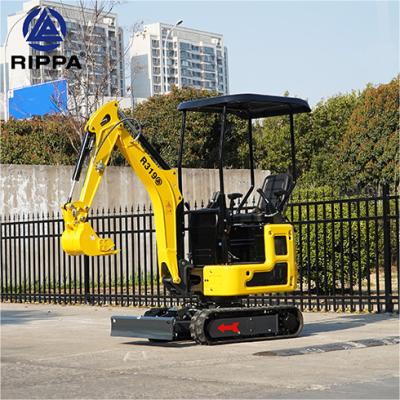
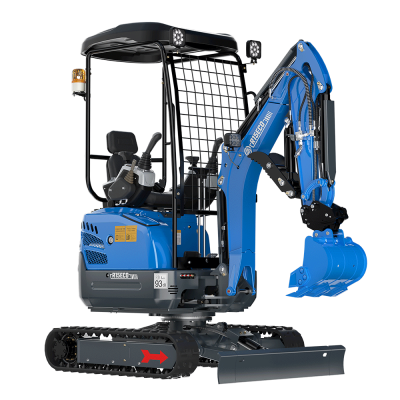
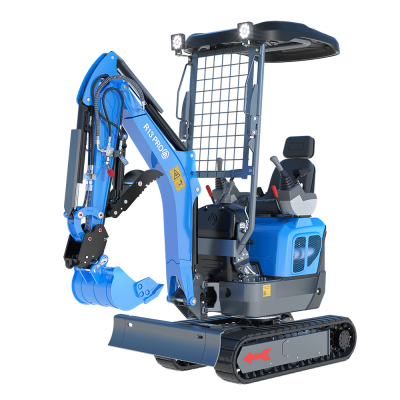
Importers can review RIPPA mini excavator models to explore the product range and discuss suitable options for their target markets.
Common Importing Mistakes to Avoid
Focusing Only on the Lowest Price
A low quotation may exclude important accessories, shipping costs, or support arrangements. Compare the full purchasing scope before making a decision.
Overlooking Local Compliance
Equipment requirements differ across countries and applications. Verify applicable emissions, safety, labeling, and import regulations before confirming the order.
Ordering Without a Parts Plan
Dealers and importers should understand how to identify replacement components and how parts will be ordered and dispatched after delivery.
Accepting Unclear Delivery Commitments
Production time, shipping time, and customs clearance are separate stages. Request an estimated schedule for each stage rather than relying on one broad delivery promise.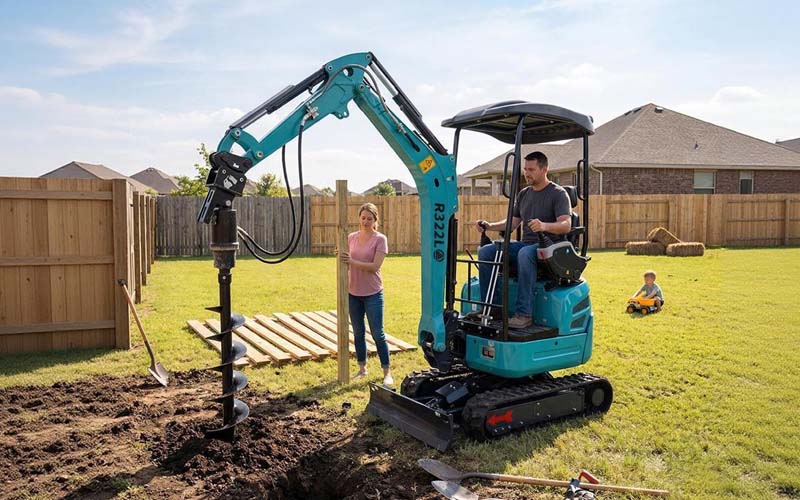
Frequently Asked Questions
How can I import Chinese mini excavators for resale?
Identify your target market, verify suppliers, compare written quotations, confirm import requirements, and arrange shipping. Before placing an order, establish a plan for inventory, parts, and customer support.
What is included in the landed cost of a mini excavator?
The landed cost may include equipment, inland transportation, export handling, international freight, insurance, duties, taxes, customs fees, and destination delivery. The exact components depend on the agreed shipping terms.
Should importers inspect equipment before shipment?
A pre-shipment inspection can help confirm that the equipment matches the purchase agreement. Inspection scope should be agreed in advance and may cover configuration, appearance, documentation, and selected functional checks.
Can I buy directly from RIPPA for my market?
Interested importers can review RIPPA's mini excavator range and contact the company to discuss purchasing requirements, order arrangements, and potential distribution opportunities.
Conclusion
Successful Chinese mini excavator importing depends on supplier verification, clear purchasing specifications, realistic landed-cost calculations, and reliable delivery and support arrangements.
For importers, preparation is essential. A documented sourcing process helps protect purchasing budgets, improve inventory planning, and build a sustainable equipment supply business.
Planning your next equipment order? Explore RIPPA's mini excavator range and contact the team to discuss your market and sourcing requirements.