Chinese Mini Excavator Dealers: How to Build a Profitable Distribution Business
Becoming a Chinese mini excavator dealer can create opportunities for machinery distributors, agricultural equipment businesses, and construction equipment suppliers. However, building a sustainable dealership requires more than securing products at wholesale prices.
Dealers need a clear market strategy, a suitable product range, reliable equipment supply, and a plan for customer service. Choosing a manufacturing partner that understands dealer requirements is an important first step.
Why Consider a Chinese Mini Excavator Dealership?
Compact excavators are used in residential construction, landscaping, agriculture, drainage work, and utility projects. These applications allow dealers to serve customers across multiple industries.
A dealership can offer several commercial advantages:
A focused product category with identifiable business customers.
Opportunities to develop repeat relationships with contractors.
Potential cross-selling of attachments and related equipment.
Opportunities to expand into neighboring markets.
Long-term revenue opportunities from parts and customer support, where offered.
Results depend on local demand, competition, operating costs, and the dealer's ability to manage sales and service.
How to Choose a Manufacturer for Your Dealership
Evaluate Product Range and Market Fit
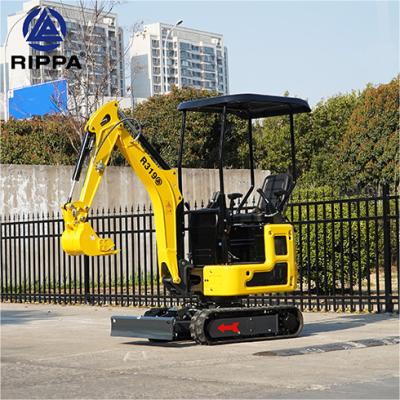
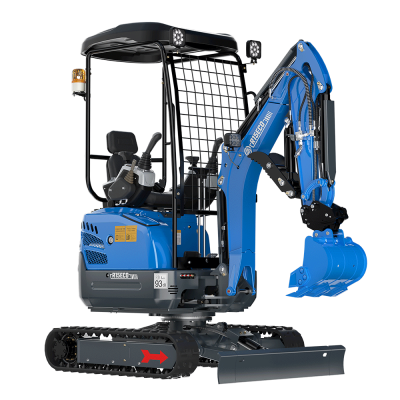
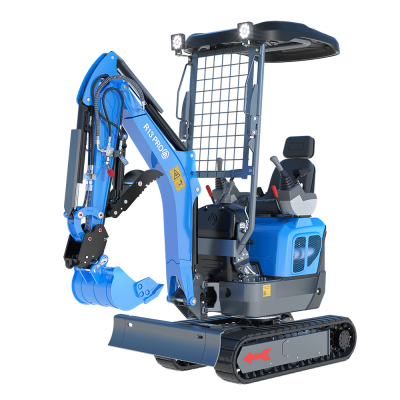
A suitable manufacturer should offer products relevant to the customers in your territory. Consider machine applications, transport requirements, operator protection, attachment options, and maintenance access.
Request current product information and verify that the configurations offered can meet local requirements.
Review Dealer Cooperation Policies
Before signing an agreement, discuss territory coverage, sales channels, pricing arrangements, order requirements, and responsibilities for customer inquiries.
If territory protection is offered, ensure that its geographic boundaries, conditions, and duration are documented in writing.
Dealers should also clarify how the manufacturer handles direct sales, online inquiries, and potential conflicts between distribution channels.
Confirm Parts and Technical Support
A dealership's reputation depends partly on its ability to help customers after delivery. Ask about parts identification, ordering procedures, technical documentation, and available troubleshooting support.
Clarify which services the manufacturer provides and which responsibilities remain with the dealer.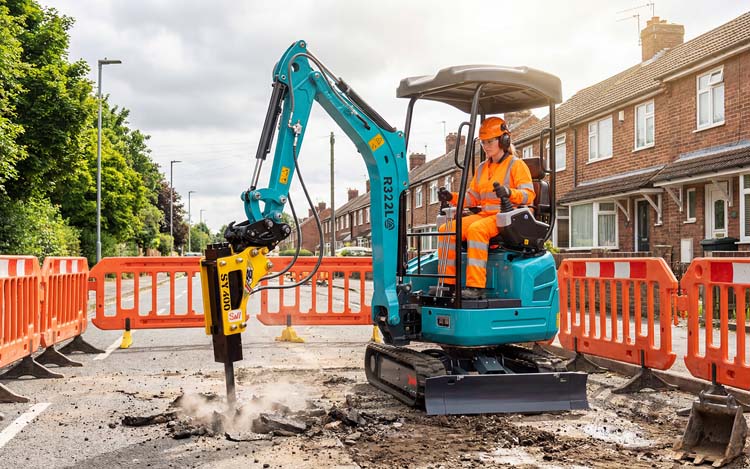
How to Develop a Local Mini Excavator Sales Strategy
Identify High-Potential Customer Groups
Potential customers include landscaping contractors, small construction companies, agricultural businesses, utility contractors, and local equipment resellers.
Interview prospective customers to understand their current equipment, purchasing criteria, service expectations, and common operational challenges.
These insights can guide product selection and help prioritize the most relevant customer segments.
Build a Useful Online Product Presence
A dealer website should answer practical purchasing questions. Useful information includes product applications, available configurations, transport considerations, maintenance requirements, and contact details.
Create separate pages for relevant customer groups and product categories instead of publishing generic pages with nearly identical descriptions.
Include original product photos, accurate specifications, and clear inquiry forms. Search engine optimization can help qualified buyers discover the dealership when they research compact construction equipment.
Develop Relationships Beyond Online Marketing
Direct outreach can help dealers reach businesses that are more likely to need compact machinery.
Consider contacting local contractors, attending construction equipment events, building relationships with agricultural suppliers, and providing product demonstrations where practical.
The goal is to understand customer needs and establish trust before asking for a purchase commitment.
How Should Dealers Plan Inventory?
Inventory planning affects cash flow, delivery expectations, and customer satisfaction.
Dealers should review local demand, confirmed orders, supplier lead times, shipping schedules, and the availability of replacement parts before making stock decisions.
| Planning area | Recommended approach |
|---|---|
| Product selection | Start with configurations supported by local demand |
| Stock levels | Balance forecast demand against available working capital |
| Reordering | Set replenishment points based on supplier lead times |
| Spare parts | Identify commonly required service components |
| Delivery | Communicate realistic delivery estimates to customers |
| Sales forecasting | Review inquiries, conversion rates, and completed orders |
New dealers may benefit from validating demand before committing substantial capital to inventory.
How to Measure Dealership Performance
Sales volume alone does not provide a complete picture of dealership health.
Monitor qualified inquiries, quotation conversion, gross margin, inventory turnover, delivery performance, customer feedback, and repeat business.
Review marketing expenditure alongside the number and quality of leads generated. A large volume of inquiries is not necessarily valuable if most prospects fall outside the target market.
Use these metrics to adjust product selection, marketing channels, and stock levels over time.
RIPPA Mini Excavator Dealer Opportunities
RIPPA works with international customers and dealer partners in the construction machinery market. Businesses considering a Chinese mini excavator dealership can explore the company's mini excavator product range to understand the available equipment offering.
Prospective dealers should prepare information about their target territory, customer base, sales channels, and service capabilities before discussing cooperation.
The terms and available support should be confirmed directly with RIPPA. Dealers should evaluate whether the proposed arrangement fits their market and business model.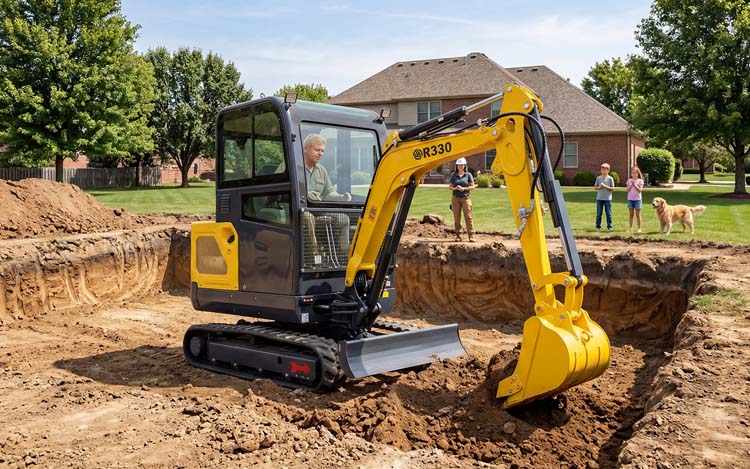
Frequently Asked Questions
How do I become a Chinese mini excavator dealer?
Research local demand, shortlist manufacturers, evaluate product quality and support, and discuss dealership terms. Prepare a business plan covering target customers, marketing, inventory, and after-sales responsibilities.
Do mini excavator dealers need a physical showroom?
Not every business model requires a traditional showroom. Some dealers operate through equipment yards, online sales channels, demonstrations, or established commercial networks. The appropriate setup depends on local customer expectations and operating requirements.
What should a dealer agreement include?
Review territory coverage, pricing terms, ordering conditions, sales responsibilities, parts access, marketing support, and issue-resolution procedures. Any exclusivity or territory protection should be clearly documented.
How can dealers attract B2B customers?
Use targeted outreach, relevant product pages, local industry relationships, trade events, accurate product information, and timely responses to qualified inquiries.
Can RIPPA discuss international dealership cooperation?
Businesses can contact RIPPA to discuss their target market, distribution plans, and equipment requirements. The availability and terms of cooperation depend on the specific market and agreement.
Conclusion
Building a Chinese mini excavator dealership requires a combination of supplier selection, customer research, inventory discipline, and dependable after-sales processes.
Dealers who understand their market and establish clear supplier agreements are better positioned to build lasting customer relationships and grow their equipment businesses.
Interested in becoming an equipment distributor? Explore RIPPA's mini excavator range and contact the team to discuss potential dealership cooperation.