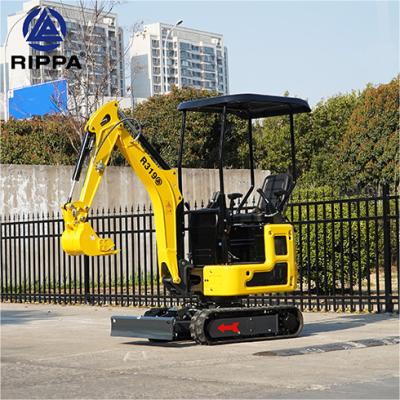
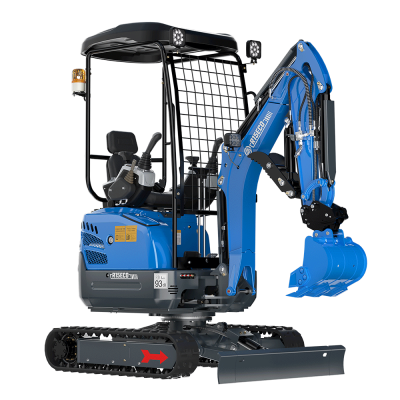
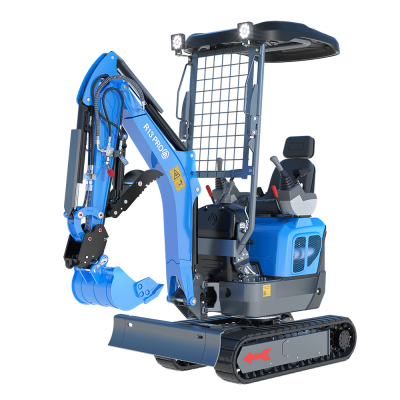
Chinese Mini Excavators for Construction, Agriculture, and Landscaping
Chinese mini excavators are used in a range of industries where compact digging equipment can help complete earthmoving and site preparation tasks. Construction contractors, landscaping businesses, agricultural operators, and utility service providers may consider these machines for projects that require maneuverability and practical access to restricted work areas.
Choosing the right machine depends on the job, ground conditions, available working space, transport requirements, and maintenance needs. Buyers should evaluate the intended application before comparing suppliers or requesting quotations.
How Construction Companies Use Mini Excavators
Construction businesses may use mini excavators for foundation preparation, trench digging, drainage installation, and landscaping around residential or commercial buildings.
Compact equipment can be particularly useful where larger machinery has limited access. However, the suitability of a machine depends on the required digging depth, soil conditions, working reach, and site restrictions.
Before purchasing, contractors should assess the work they perform most frequently and verify that the selected configuration meets those requirements.
Considerations for Construction Buyers
Access through gates, driveways, and restricted work areas.
Ground conditions and the type of excavation required.
Compatibility with suitable digging attachments.
Transport between jobsites.
Operator safety and maintenance accessibility.
A machine should be selected according to its documented capabilities rather than its overall size alone.
Mini Excavators for Landscaping and Property Maintenance
Landscaping projects often involve working around existing buildings, gardens, pathways, and other finished surfaces. Compact excavators may help with planting preparation, drainage trenches, small-scale earthmoving, and garden renovation.
For landscaping contractors, important considerations include maneuverability, ground disturbance, attachment options, and ease of transportation.
Protecting Finished Surfaces
Rubber tracks may be worth considering for certain landscaping environments, but they do not eliminate the possibility of surface damage. Ground conditions, turning technique, machine weight, and track condition all influence the result.
Operators should follow appropriate procedures and assess the work area before moving equipment across paved or landscaped surfaces.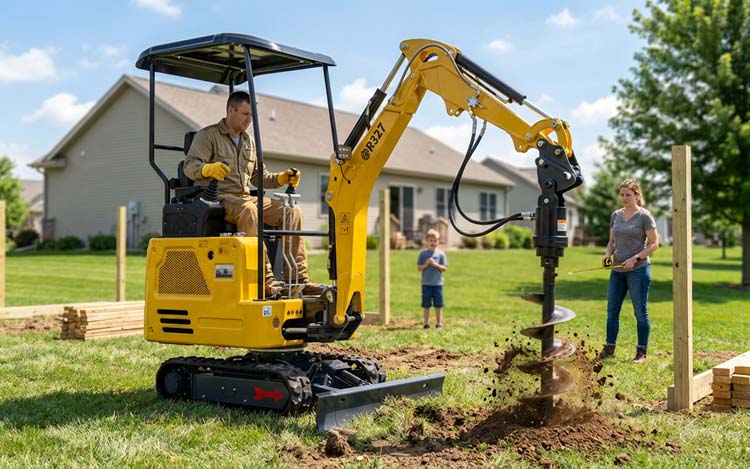
Agricultural Applications for Compact Excavators
Farm owners and agricultural contractors may use mini excavators for drainage improvements, irrigation-related digging, ditch maintenance, and property development.
The equipment selected should match the soil conditions, access routes, frequency of use, and maintenance resources available on the property.
In muddy or uneven conditions, buyers should pay particular attention to ground clearance, traction, machine stability, and the operating limitations specified by the manufacturer.
Agricultural buyers should also consider how the machine will be transported between fields or stored when not in use.
Mini Excavators for Utility and Drainage Projects
Utility contractors often need to excavate narrow trenches for pipes, cables, and drainage systems. A compact machine may be suitable when the worksite restricts access for larger equipment.
Before purchasing, contractors should determine the required trench dimensions, soil conditions, underground utility risks, and any applicable jobsite safety requirements.
Underground service locations must be identified before excavation begins. Operators should follow local utility-marking procedures and applicable safety rules.
The machine's actual digging capabilities must be checked against the project specifications before work is scheduled.
How to Match Equipment to the Application
The best Chinese mini excavator for a business is the one that fits its most common jobs and operating conditions.
| Application | Key selection considerations |
|---|---|
| Residential construction | Site access, digging requirements, transport |
| Landscaping | Maneuverability, surface conditions, attachments |
| Agriculture | Soil conditions, traction, maintenance access |
| Drainage work | Trench requirements, ground conditions, stability |
| Utility installation | Worksite access, underground hazards, digging accuracy |
| Property maintenance | Versatility, storage, ease of transportation |
Buyers should compare written specifications and verify that any requested attachment or configuration is available for the particular machine.
What Should Businesses Ask a Chinese Manufacturer?
When requesting quotations, describe the intended application instead of asking for a generic price.
Explain the typical jobsite, soil conditions, expected workload, transportation arrangements, and preferred attachments. This allows the supplier to recommend configurations for further evaluation.
Also ask about maintenance documentation, parts availability, applicable safety features, export documentation, and technical support.
For overseas buyers, confirming local compliance requirements is essential. Product suitability should be assessed alongside the regulations that apply in the destination market.
Businesses can review RIPPA mini excavator models and discuss their intended applications with the company before making a purchasing decision.
Frequently Asked Questions
What industries use Chinese mini excavators?
Common applications include construction, landscaping, agriculture, drainage, utility installation, and property maintenance. Suitability depends on the machine's capabilities and the requirements of the job.
Are mini excavators suitable for small construction sites?
They may be suitable when the machine can access the work area and meet the project's digging and safety requirements. Buyers should verify dimensions, working capabilities, and transport limitations before purchase.
Can a mini excavator be used for agricultural drainage?
A suitable machine may help with drainage trenches and ditch maintenance. The selected configuration must match soil conditions, trench requirements, and safe operating limits.
How should I choose a mini excavator attachment?
Start with the task, soil conditions, and the machine's documented compatibility requirements. Confirm attachment fitment and operating limitations with the supplier before purchasing.
How can I compare Chinese mini excavator models?
Compare the exact specifications, intended applications, safety features, maintenance requirements, parts support, and total purchase costs. Avoid relying on machine weight or price alone.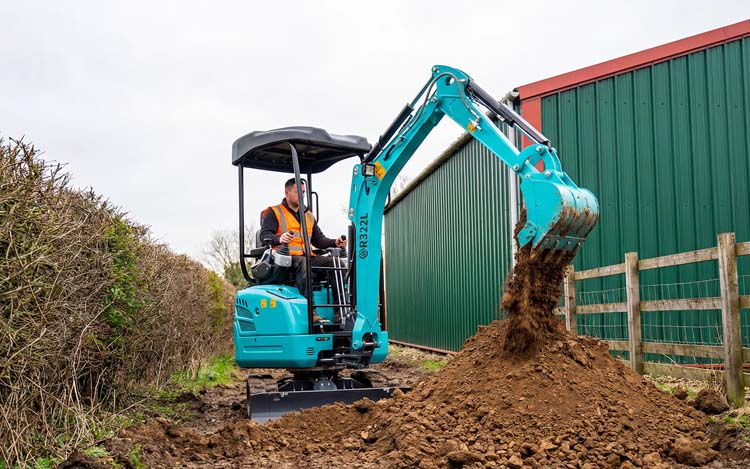
Conclusion
Chinese mini excavators can support a wide range of commercial applications, from residential construction to agricultural maintenance. The most effective purchasing decision begins with a clear understanding of jobsite requirements and continues with careful supplier evaluation.
Looking for equipment for your industry? Explore RIPPA's mini excavator range and discuss your application and purchasing requirements with the team.