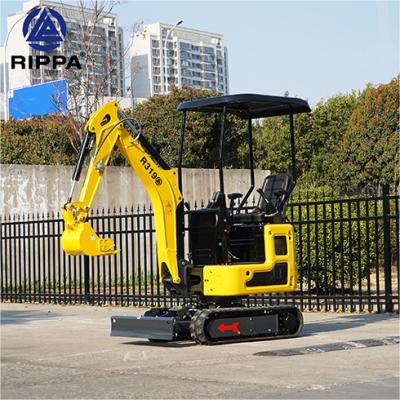
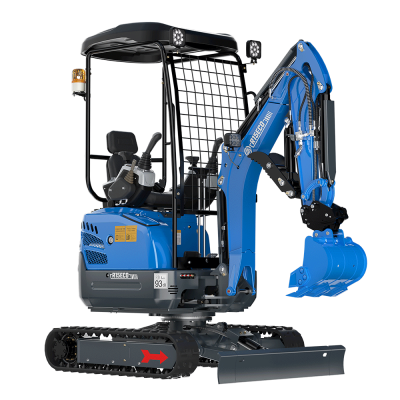
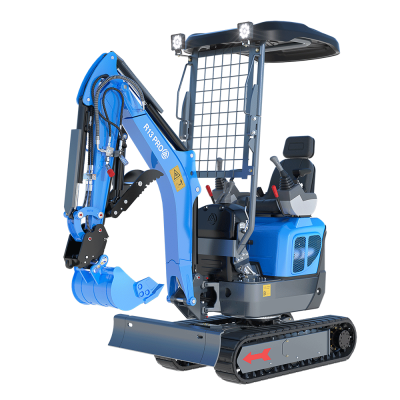
Chinese Mini Excavator Distributors: How to Find the Right Partner
Finding the right Chinese mini excavator distributor or manufacturing partner depends on your business model, target customers, and preferred purchasing arrangement. Some businesses need a local distributor that can supply equipment within their region. Others want to work directly with a manufacturer to develop a wholesale or regional distribution relationship.
Before choosing a partner, clarify whether you need local inventory, international supply, sales support, or a long-term arrangement for serving a specific market.
Understand the Different Distribution Models
The term distributor can describe several types of businesses. Understanding the difference helps buyers contact the right organization.
Local equipment distributors sell machinery within a particular country or region. They may hold inventory, arrange local delivery, and provide customer-facing support.
Importers and wholesalers purchase equipment internationally and resell it to dealers, contractors, or other businesses. Their priorities often include shipment planning, landed costs, and repeat-order conditions.
Manufacturers with dealer programs produce equipment and work with independent businesses to expand market coverage. Depending on the agreement, cooperation may involve product supply, marketing resources, or regional sales arrangements.
These models are not interchangeable. A business seeking regional resale rights should clarify the proposed arrangement directly with the manufacturer rather than assuming that every supplier offers formal distributorships.
How to Evaluate a Potential Distributor
Product Availability
Ask which products the distributor can currently supply and whether availability changes by location. If your business requires recurring inventory, clarify how orders are scheduled and how shortages are communicated.
A supplier's advertised product range does not necessarily mean every configuration is immediately available.
Commercial Terms
Review quotation validity, payment conditions, minimum order requirements, shipping responsibilities, and the process for confirming an order.
If you are discussing regional distribution, ask whether any territory arrangements exist and how they are documented. Do not rely on informal statements about exclusivity or market protection.
Business Reliability
Evaluate the supplier's communication, documentation, and ability to explain its purchasing process. Request appropriate business references or supporting records when the size of the transaction justifies additional verification.
A dependable partner should be able to explain who handles the order, who manages delivery coordination, and how commercial or product-related issues are escalated.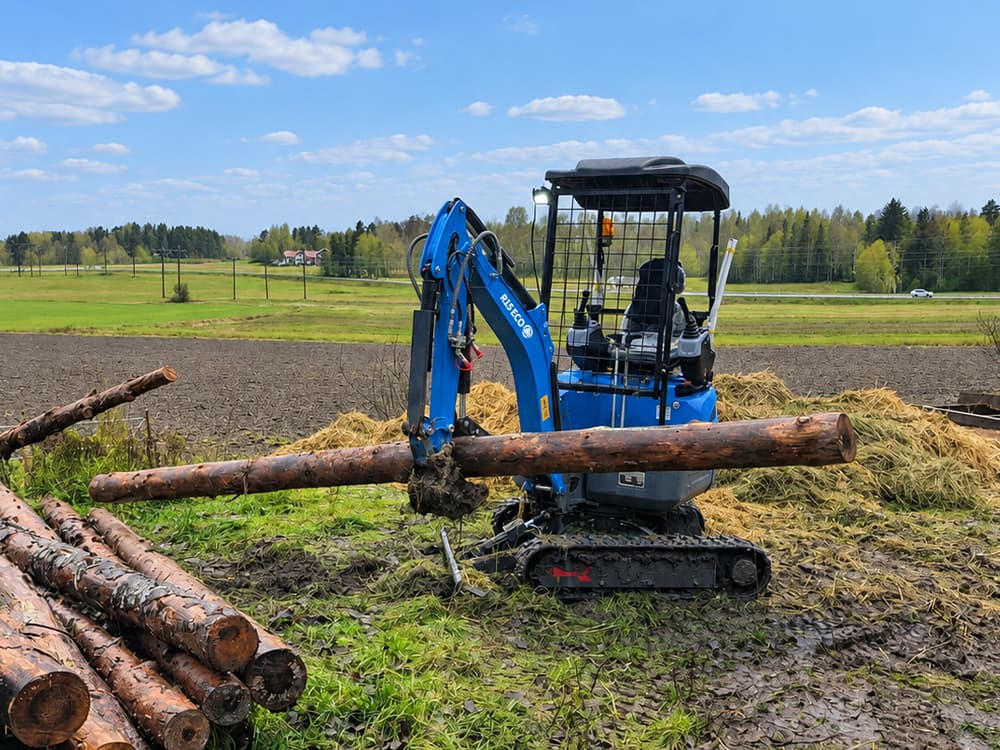
Questions to Ask Before Entering a Partnership
Use an initial discussion to determine whether the supplier's business model matches your needs.
Are you the manufacturer, an authorized distributor, or an independent reseller?
Which markets do you currently serve?
What purchasing quantities and order conditions apply?
How are product availability and delivery schedules confirmed?
What documentation accompanies each shipment?
How are parts requests and technical questions handled?
Are there written requirements for regional distribution or reseller cooperation?
Request written confirmation of any important commercial commitments. This is especially important when the relationship involves substantial inventory or a defined sales territory.
Assess the Opportunity in Your Local Market
A distribution partnership is only valuable if the products fit local customer needs. Research the industries that purchase compact equipment, the applications customers commonly require, and the expectations established by existing suppliers.
Potential customer groups include landscaping contractors, agricultural businesses, property maintenance companies, and small construction firms.
Study competitor pricing and product positioning, but do not rely exclusively on advertised prices. Delivery times, local availability, documentation, and customer support can also influence purchasing decisions.
Build a realistic sales forecast before committing to a large inventory or extensive marketing expenditure.
Create a Practical Distribution Plan
Once you identify a suitable supplier, define how the relationship will operate.
Establish expected order volumes, lead-time communication, product information requirements, marketing responsibilities, and the process for managing customer issues. If you plan to hold inventory, determine which products justify stocking and which can be ordered according to demand.
Track qualified inquiries, conversion rates, order profitability, and repeat purchases. These measures help you understand whether the distribution arrangement is generating sustainable business.
Businesses considering a direct relationship with an equipment manufacturer can review RIPPA mini excavator models and contact RIPPA to discuss current products and potential purchasing arrangements. Any dealer terms or regional rights should be confirmed directly.
Frequently Asked Questions
Is a distributor the same as a manufacturer?
No. A manufacturer produces equipment, while a distributor typically sells products into a defined market. Some manufacturers also operate dealer or distributor programs.
How can I become a distributor for a Chinese mini excavator brand?
Research the brand's products, identify your target market, prepare a sales and inventory plan, and contact the company to confirm whether it accepts distribution partners and what conditions apply.
Should I choose a local distributor or buy directly from a factory?
The right option depends on order volume, delivery requirements, working capital, and the support your business needs. Compare total costs and responsibilities under both arrangements.
Are distribution territories automatically exclusive?
No. Exclusivity depends on the specific agreement. Obtain written confirmation of the territory, conditions, duration, and any performance requirements.
Conclusion
Choosing among Chinese mini excavator distributors requires a clear understanding of each supplier's role, commercial terms, and ability to serve your target market. By verifying the business relationship and establishing written expectations, importers and dealers can build partnerships that support long-term growth.