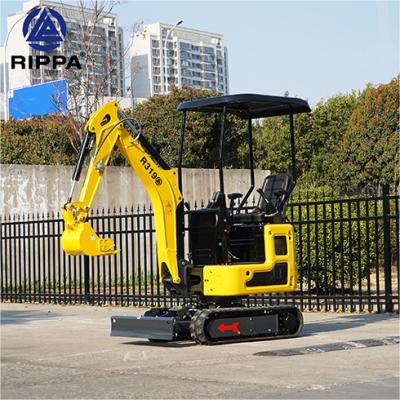
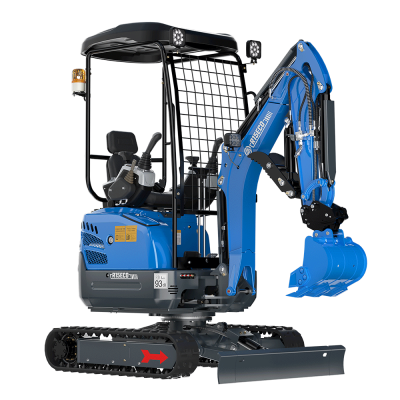
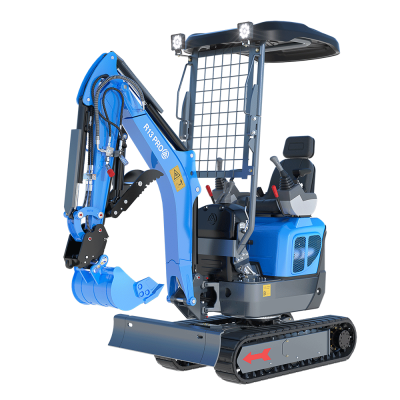
Chinese Mini Excavator Factory Direct Sales for B2B Buyers
Chinese mini excavator factory direct sales allow business buyers to discuss equipment purchases with a manufacturer rather than relying entirely on an independent reseller. For importers, wholesalers, and equipment dealers, this arrangement can provide a more direct communication channel for quotations, product requirements, and order planning.
However, buying directly from a factory does not automatically guarantee the lowest total cost or eliminate import responsibilities. Buyers should understand what the manufacturer supplies, what the buyer must arrange, and how the transaction will be managed from quotation to delivery.
What Does Factory Direct Sales Mean?
In a factory-direct transaction, the buyer purchases equipment directly from the manufacturing business. The manufacturer provides a quotation and agrees on the product configuration, quantity, payment conditions, and delivery arrangements.
The precise arrangement varies by supplier. Some manufacturers coordinate export logistics, while others expect buyers or their freight forwarders to handle specific shipping tasks.
Before placing an order, verify the manufacturer's role and identify which company will appear on the commercial documents. This helps clarify accountability and reduces confusion if a production or shipping issue occurs.
Potential Benefits for Equipment Buyers
Direct Product Communication
Working with a manufacturer can make it easier to discuss product configurations, available options, and order requirements with the source of production.
Buyers should document the agreed configuration carefully. Product names and promotional images alone may not describe every item included in a shipment.
Clearer Order Coordination
A direct relationship can provide a straightforward communication path for order confirmation, production updates, and shipment planning.
Its effectiveness still depends on the manufacturer's internal processes. Ask who manages your account, how updates are provided, and how delays or changes are communicated.
Opportunities for Repeat Purchasing
Dealers and importers with recurring demand may benefit from discussing future purchasing schedules directly with the manufacturer.
Forecasts can help both parties plan orders, although production availability and commercial terms should be confirmed for each purchase.
Factory Direct Does Not Mean Zero Risk
Buyers should not assume that removing an intermediary automatically makes a transaction cheaper or safer.
A reseller may provide local stock, established customer support, or delivery services that a direct overseas purchase does not include. Conversely, a manufacturer may be better suited to a business that can manage international logistics and import procedures.
Compare the complete commercial arrangement, not just the supplier's advertised price.
Before committing, verify the business entity, confirm payment instructions through trusted channels, review the written contract, and understand the procedure for addressing nonconforming products.
How to Prepare a Factory-Direct Purchase
Step 1: Define Your Requirements
Specify the target market, intended application, preferred product configuration, expected quantity, and desired delivery location.
A clear brief helps the manufacturer prepare a relevant quotation and reduces the need for repeated revisions.
Step 2: Request a Written Quotation
Ask for the unit price, total order value, payment schedule, production lead time, shipping terms, and list of included items.
Confirm the quotation's validity and whether additional charges may apply. For international transactions, make sure the shipping terms identify the agreed delivery point and clarify the parties' responsibilities.
Step 3: Verify Quality and Documentation
Discuss inspection procedures and agree on acceptance criteria before production or shipment. For larger orders, consider an independent inspection.
Confirm which commercial, transport, and compliance documents are available and independently check the requirements of the destination country.
Step 4: Confirm Logistics and Payment Responsibilities
Determine who arranges freight, cargo insurance, export clearance, and destination delivery. Have a qualified freight forwarder estimate costs and explain the shipping process.
Verify payment details directly with the appropriate business contact, particularly if bank instructions change during the transaction.
Calculate the Complete Purchasing Cost
The factory quotation should be evaluated alongside freight, insurance, import duties, taxes, customs handling, and local transportation. Buyers may also need to budget for storage, financing, and inventory management.
A simple comparison of factory prices can overlook these expenses. Build a landed-cost estimate for each shortlisted supplier using consistent assumptions.
Also consider the resources needed to manage international orders. A lower purchase price may not compensate for unclear documentation, difficult communication, or unexpected logistics costs.
Is Factory Direct Purchasing Right for Your Business?
Factory-direct purchasing can suit importers and distributors that have the capital, logistics arrangements, and internal processes to manage overseas orders.
Businesses requiring immediate local availability or a local point of service may prefer a regional distributor. Some buyers use a combination of direct purchasing and local partnerships as their operations expand.
For businesses evaluating manufacturer-direct options, RIPPA mini excavator models provide a starting point for reviewing the product range. Contact the company to confirm current quotations, availability, and purchasing arrangements.
Frequently Asked Questions
Does factory direct sales always mean a lower price?
No. The result depends on the quotation, order volume, logistics, import expenses, and services included. Compare total landed cost rather than machine price alone.
Can overseas buyers order directly from a Chinese factory?
Many manufacturers work with international buyers, but order requirements and export arrangements vary. Confirm the supplier's current purchasing process before making commitments.
Who handles shipping in a factory-direct order?
Responsibility depends on the agreed contract and shipping terms. Confirm who arranges freight, insurance, customs documentation, and delivery before payment.
What should I verify before paying a deposit?
Verify the supplier's business identity, written quotation, product configuration, payment instructions, contract terms, and agreed production and inspection procedures.
Conclusion
Chinese mini excavator factory direct sales can give B2B buyers a direct route to product and order discussions. The best results come from verifying the manufacturer, documenting responsibilities, calculating landed costs, and confirming quality and logistics arrangements before committing to an international purchase.