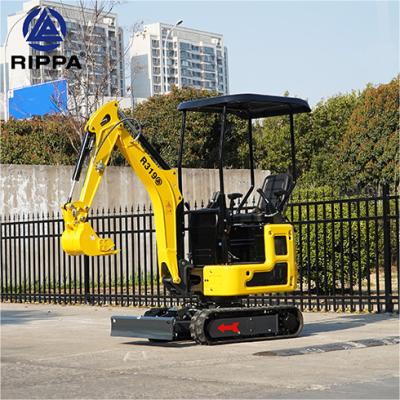
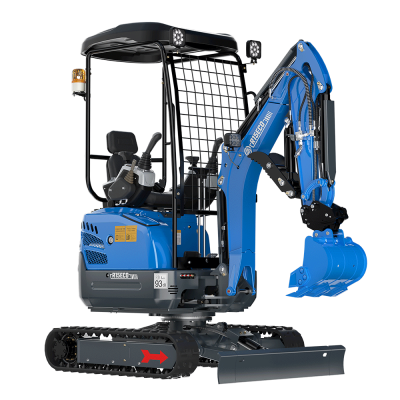
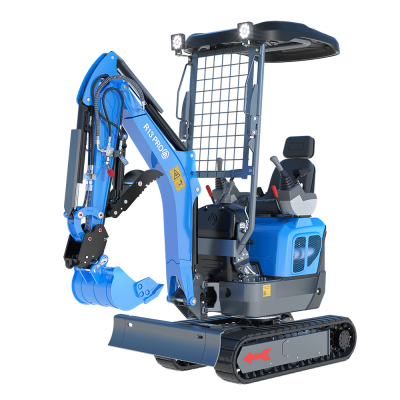
The Complete Guide to a Mini Excavator Dealership Program
A mini excavator dealership program allows an equipment business to sell machines, attachments, parts, and support services within a defined market. A strong program should provide more than competitive purchasing terms—it should help dealers manage product selection, inventory, marketing, delivery, and after-sales service.
What Does a Mini Excavator Dealership Program Include?
Dealer programs differ by manufacturer, but reliable suppliers usually provide product documentation, sales materials, parts support, technical guidance, and order coordination. Some programs may also offer regional protection, marketing assistance, operator training, or flexible inventory plans.
Before joining, ask the manufacturer to explain:
Initial order expectations and available models
Dealer pricing and payment terms
Territory or regional sales policies
Spare-parts availability
Warranty claim procedures
Technical and marketing support
Delivery times and shipping responsibilities
These details influence both your operating costs and your ability to serve customers consistently.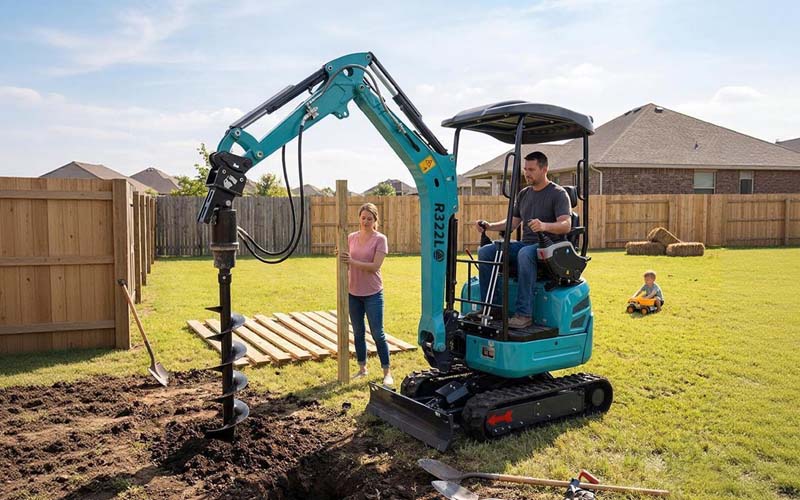
How to Evaluate Local Market Demand
Start with the customers in your territory. Landscapers, farmers, rental businesses, utility contractors, builders, and property owners may require different machine sizes and attachments.
Study local construction activity, commonly rented equipment, competitor coverage, and customer complaints about existing suppliers. A market with many machines but weak parts support can still offer a valuable dealership opportunity.
Avoid purchasing a large inventory before confirming demand. A mixed starter order covering several common applications may reduce risk and reveal which products attract the most enquiries.
Profit Opportunities Beyond Machine Sales
A sustainable mini excavator dealership does not depend entirely on the margin from the initial machine sale. Additional income can come from attachments, spare parts, maintenance, repairs, delivery, financing referrals, rentals, and trade-ins.
Attachments are particularly important because buyers often need buckets, breakers, augers, grapples, or other tools for specific jobs. Offering suitable attachments helps dealers increase order value while giving customers a more complete solution.
Why After-Sales Support Matters
Customers purchasing construction machinery want to know who will provide parts and assistance when a machine stops working. Before representing a brand, examine parts ordering procedures, response times, warranty boundaries, manuals, and remote diagnostic support.
Dealers should also maintain records for every machine sold, including delivery information, service history, parts requests, and warranty communication. Organized support builds trust and encourages repeat purchases.
Building a Dealership with RIPPA Machinery
RIPPA works with machinery dealers, importers, rental companies, and equipment businesses in international markets. Prospective partners can discuss product selection, order planning, attachments, spare parts, shipping, and local market development with the RIPPA team.
Certification and configuration requirements vary by model and destination, so dealers should confirm applicable documents before placing an order. To explore a RIPPA mini excavator dealership program, provide your target country, customer type, expected order quantity, and preferred product categories for a more relevant cooperation proposal.