How to Become a Small Excavator Dealer: A Step-by-Step Guide
To become a small excavator dealer, you need a defined sales territory, suitable customers, dependable manufacturer support, and a realistic plan for inventory and service. You do not necessarily need to begin with a large showroom, but you must be able to generate enquiries, deliver equipment, and support buyers after the sale.
Step 1: Select Your Target Customers
Small excavators serve many industries, but a new dealer should not attempt to target every buyer at once. Choose a primary segment such as landscaping, farming, construction, equipment rental, property maintenance, or utility work.
Customer needs determine which machines and attachments you should stock. Rental companies may prioritize simple operation and service access, while contractors may focus more heavily on job suitability, attachment compatibility, and working efficiency.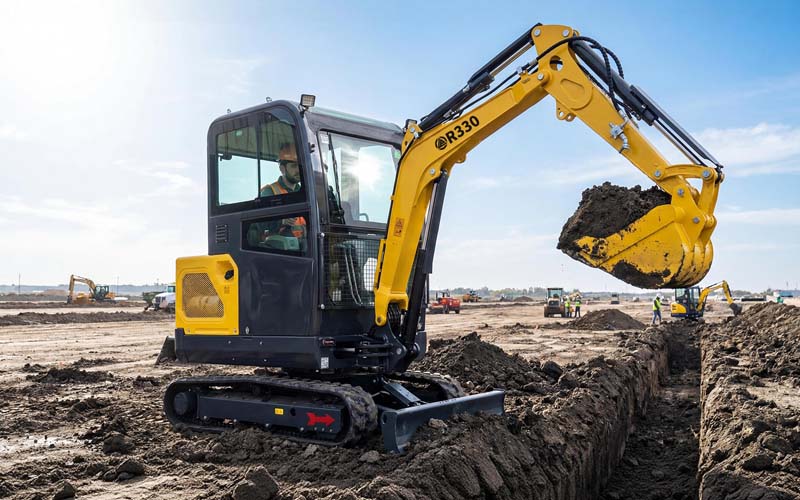
Step 2: Study Competitors in Your Territory
Identify established dealers, their represented brands, available inventory, advertised prices, service capacity, and customer reviews. Look for gaps such as slow parts delivery, limited attachment choices, poor communication, or a lack of compact equipment.
Competition is not automatically a reason to avoid a market. Strong equipment demand combined with weak customer support may create room for a responsive local dealer.
Step 3: Find a Reliable Excavator Manufacturer
Compare manufacturers on more than the purchase price. Request current product materials and confirm order terms, production lead times, warranty processes, spare-parts supply, technical documentation, and destination-specific compliance.
Never assume that every machine configuration or certificate is accepted in every country. Verify the requirements for your market before confirming an order.
Step 4: Prepare a Practical Inventory Plan
New dealers can reduce risk by starting with machines that match the most common local jobs. Include frequently requested attachments and essential service parts rather than spending the entire budget on machines alone.
Your plan should account for freight, import duties, inland delivery, storage, promotion, demonstrations, and after-sales support. These costs determine the real landed cost and should be calculated before setting retail prices.
Step 5: Build Sales and Service Capabilities
Create professional product pages, local listings, demonstration videos, quotation templates, and a customer follow-up process. Every enquiry should record the buyer’s application, preferred attachments, location, purchase timing, and business type.
You must also decide whether repairs will be handled internally or through a qualified service partner. Even a small dealership needs a clear parts and warranty contact.
Apply to Become a RIPPA Dealer
RIPPA Machinery offers cooperation opportunities for dealers, distributors, importers, and rental businesses seeking small construction equipment. Cooperation discussions may cover machines, attachments, spare parts, order planning, and market support.
When contacting RIPPA, introduce your company, territory, current sales channels, service capabilities, and expected annual demand. This information helps both parties evaluate whether the dealership opportunity is commercially suitable.