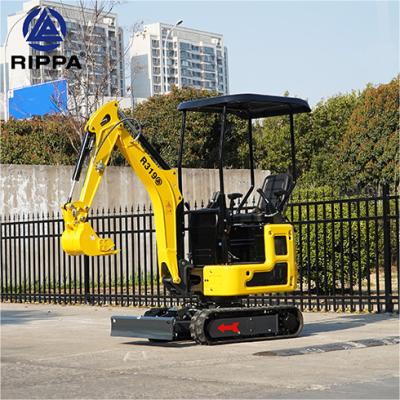
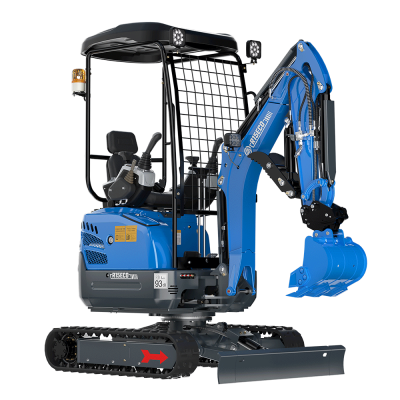
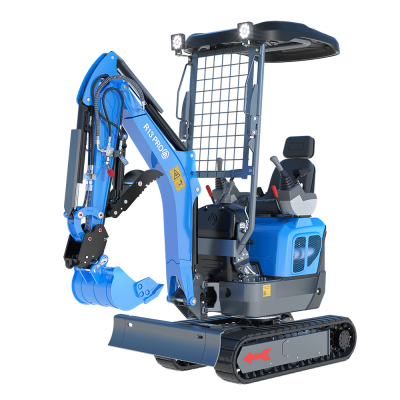
How to Start a Mini Excavator Business
A mini excavator business can generate revenue through contracting, equipment rental, machine sales, or a combination of these models. The right path depends on your budget, local demand, operating experience, and ability to maintain equipment. Start by solving a specific customer problem rather than simply purchasing a machine and waiting for work.
Choose the Right Business Model
An owner-operator business provides excavation services directly to customers. Typical projects include trenching, drainage, landscaping, site preparation, farm maintenance, and small demolition work. This model requires operating skills, transport planning, job estimation, and appropriate insurance.
A rental business earns income by hiring machines to contractors or property owners. It may create repeat demand, but it also involves inspections, cleaning, maintenance, deposits, operator guidance, and damage control.
A sales or dealership business focuses on finding buyers and supplying machines, attachments, parts, and after-sales support. It requires stronger manufacturer relationships and customer acquisition capabilities.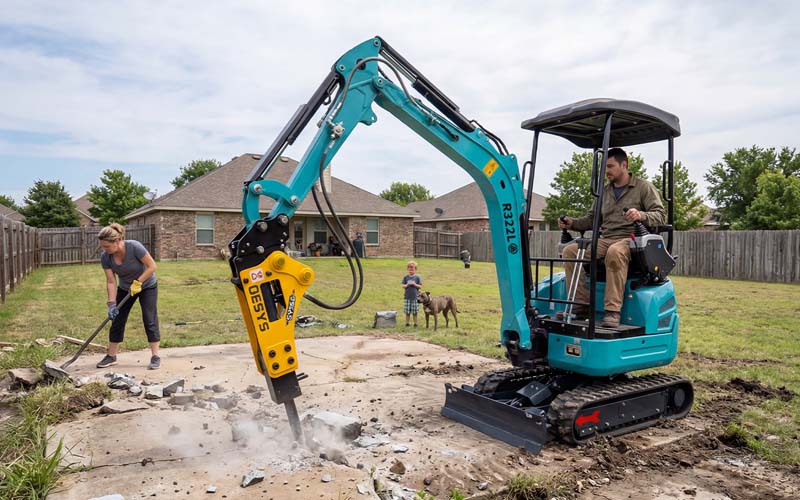
Research Demand Before Buying Equipment
Talk with contractors, farms, landscapers, rental companies, and property maintenance businesses. Find out which jobs are frequently delayed because suitable compact equipment is unavailable or too expensive to hire.
Review competitor rental rates, dealer inventory, transport charges, seasonal demand, and commonly requested attachments. The goal is to understand how often the machine can work and what customers are prepared to pay—not merely whether mini excavators are popular.
Calculate the Full Business Cost
The purchase price is only one part of the investment. Your budget may also need to cover freight, taxes, insurance, storage, trailers or delivery services, attachments, maintenance, advertising, and working capital.
Build conservative revenue forecasts. Allow for weather delays, maintenance, low-demand periods, unpaid travel time, and customer acquisition costs. A plan based on constant machine utilization can create serious cash-flow pressure.
Create More Value with Attachments
Attachments allow one machine to perform more tasks and reach more customer groups. Select tools according to actual local applications and confirm compatibility before ordering.
For a contracting business, the right attachment can expand the range of jobs you accept. For rental or sales businesses, it can increase revenue per customer and differentiate your offer from competitors with limited equipment choices.
Build Trust from the First Job
Use written quotations that define the work scope, exclusions, transport fees, site conditions, and payment terms. Keep maintenance records and inspect machines before every rental or project.
Professional photos, job videos, customer reviews, and fast enquiry responses can help a new business build local visibility. However, never promise that one machine is suitable for every site; access, ground conditions, lifting needs, and attachment requirements must be evaluated individually.
RIPPA Machinery supplies compact construction equipment for international buyers, including contractors, rental companies, and dealers. Business owners can contact RIPPA to discuss suitable product categories, attachments, spare parts, shipping, and purchasing plans based on their market.