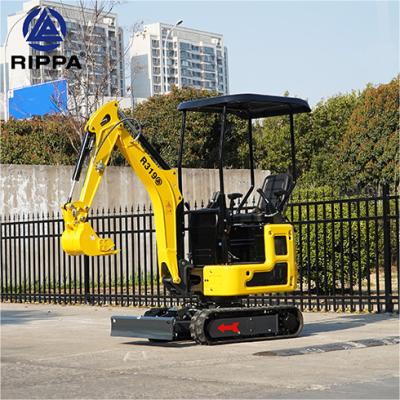
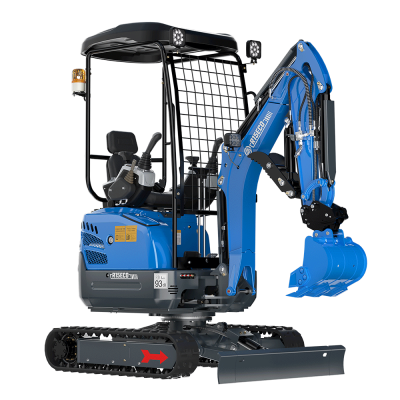
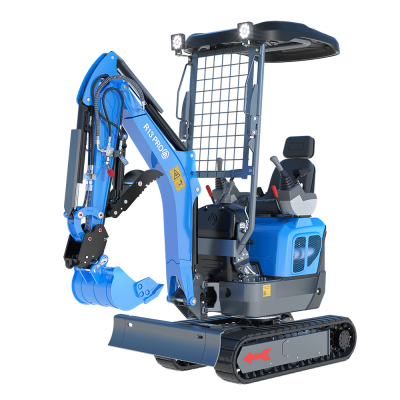
How to Choose a Mini Excavator Manufacturer for Dealers
Choosing a mini excavator manufacturer for dealers requires more than comparing wholesale prices. The supplier will influence product reliability, delivery schedules, warranty costs, customer satisfaction and the reputation of your local dealership.
A structured supplier review can reduce risk before you commit capital to inventory.
Evaluate the Product Range and Market Fit
A large catalog does not automatically mean a better dealership opportunity. First determine whether the available machines suit the applications, access conditions, transport practices and purchasing budgets in your market.
Consider whether the supplier can support customers in construction, landscaping, agriculture, utilities or rental. A logical product range also makes it easier to offer customers an upgrade path as their projects grow.
Attachments should be reviewed at the same time. Confirm compatibility with the exact machine rather than assuming that every attachment works across all models.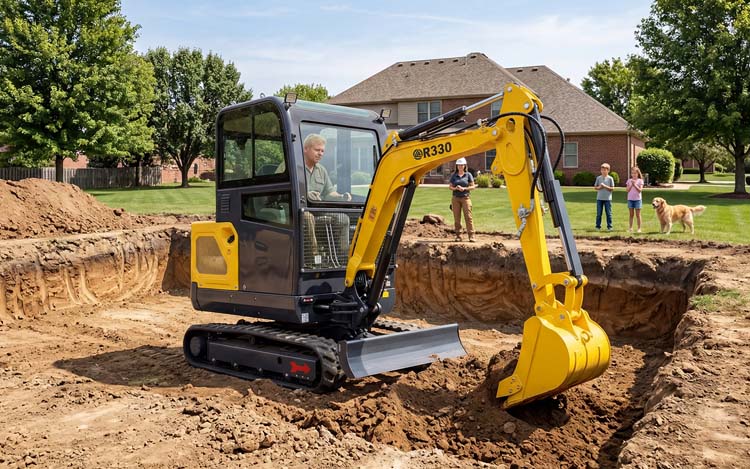
Review Quality Control and Documentation
Ask how machines are inspected during production and before shipment. Dealers should be able to identify the exact configuration included in an order and receive consistent product documentation.
Request current brochures, manuals, parts information, packing details and warranty terms. If emissions or safety documentation is required in your market, verify it for the selected model and destination. General statements should not replace model-specific confirmation.
A supplier that answers technical questions clearly can reduce errors during sales and delivery.
Compare Parts and Warranty Support
Parts availability is one of the most important differences between wholesale mini excavator suppliers. A competitive machine can still become difficult to sell if the dealer cannot identify or obtain service parts.
Before placing an order, ask:
Which parts should be stocked locally?
How are parts identified and ordered?
What evidence is required for warranty claims?
Who pays freight for replacement components?
How quickly are technical questions answered?
Is training available for dealer employees?
The answers should be documented in the dealership agreement or supporting policies.
Examine Logistics and Commercial Terms
Compare minimum order quantities, payment terms, lead times, shipping arrangements and territory policies. Calculate the total landed cost instead of comparing factory prices alone.
Dealers should also understand whether sales targets are required and whether territory protection depends on annual purchasing volume. Clear expectations prevent later disputes.
RIPPA works with distributors, machinery businesses and rental companies in markets where compact equipment has practical demand. Applicants can provide their company profile, territory, sales channels and estimated order plan for evaluation.
The right mini excavator manufacturer for dealers should help the business protect customer trust, maintain equipment and develop repeat sales—not simply deliver the first container.