Is a Mini Excavator Dealership Profitable?
A mini excavator dealership can be profitable when local demand, inventory turnover and after-sales support are managed carefully. Profit does not come only from the difference between factory cost and retail price. Attachments, parts, maintenance, rentals and repeat business can all contribute to dealership revenue.
Where Does an Excavator Dealer Make Money?
Machine sales are the most visible income source, but relying on equipment margin alone can make cash flow unstable. Strong dealers usually develop several related revenue streams.
These may include attachment sales, replacement parts, maintenance services, equipment rentals, delivery charges and trade-in support. One customer may initially purchase a machine and later return for buckets, hydraulic attachments, service parts or an additional unit.
This customer lifetime value is often more important than maximizing profit on the first transaction.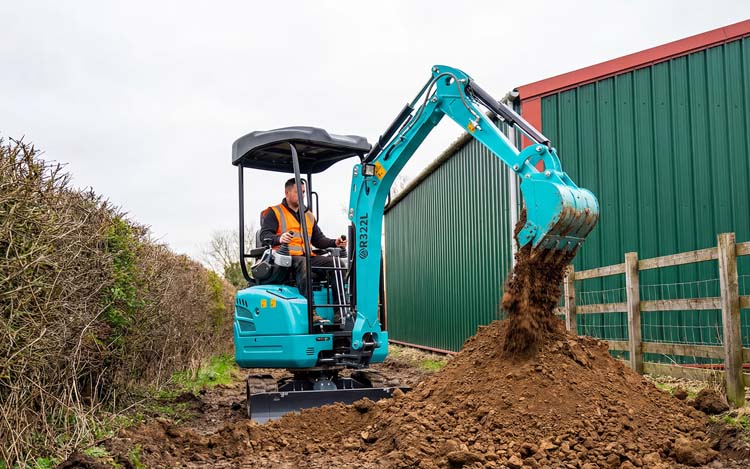
What Affects Excavator Dealer Profit Margin?
There is no universal excavator dealer profit margin. The result depends on import costs, freight, duties, taxes, local competition, financing expenses, inventory time and after-sales obligations.
A machine that remains unsold for months continues to consume capital and storage space. Dealers should therefore evaluate inventory turnover rather than focusing only on gross margin.
Accurate landed-cost calculations should include:
Factory purchase price
International and local transport
Customs duties and taxes
Storage and machine preparation
Advertising and sales commissions
Warranty and service reserves
Financing or currency costs
Quotations should protect adequate margin after all these expenses are considered.
How Can Dealers Improve Profitability?
Start with machines that match frequent local applications. Landscapers may prioritize compact access and attachment versatility, while rental businesses may value simple operation, service access and broad customer usability.
Dealers can also improve performance by keeping important parts available, responding quickly to inquiries and demonstrating machines in real working conditions. A customer who understands how a machine fits the job is more likely to make a confident purchase.
Avoid excessive discounting. Competing only on price makes it difficult to fund service, parts and marketing—the same resources customers expect from a professional dealer.
Is a RIPPA Dealership Right for Your Market?
RIPPA dealership opportunities are intended for businesses that can combine local customer development with equipment support. Before applying, evaluate regional demand, competing brands, expected order volume and available service resources.
A mini excavator dealership is most likely to succeed when the dealer controls inventory carefully, develops multiple revenue sources and provides dependable support after the machine is delivered.