How to Become a Mini Excavator Dealer in 2026
To become a mini excavator dealer, you need a registered business, knowledge of your local equipment market, sufficient startup capital and the ability to support customers after delivery. The process normally includes market research, manufacturer evaluation, dealer application, inventory planning and local sales development.
What Are the Requirements to Become an Excavator Dealer?
Dealer requirements vary between manufacturers and markets. However, most suppliers evaluate whether an applicant can sell equipment professionally and maintain a stable local presence.
A prospective dealer should generally have:
A legally registered company
A defined sales territory
Experience in machinery or B2B sales
Space for displaying or storing equipment
Basic inspection and service capabilities
A plan for spare parts and warranty support
Sufficient capital for initial inventory and marketing
Previous construction-equipment experience is valuable but not always essential. Agricultural dealers, rental companies, attachment suppliers and vehicle businesses may already have relevant customers and service resources.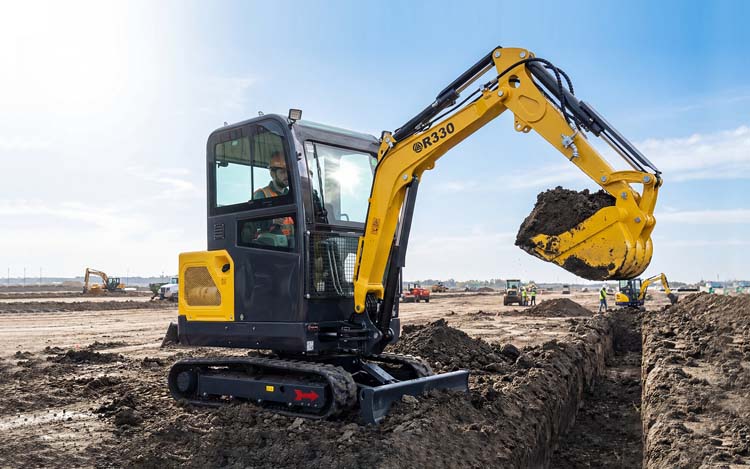
Research Local Mini Excavator Demand
Before contacting a manufacturer, determine who will buy the machines. Potential customers include landscapers, contractors, farmers, rental companies, utility businesses and property-maintenance providers.
Study the machines advertised by competing dealers, common job applications, popular attachments and customer complaints. If local buyers frequently mention slow parts delivery or limited model choice, these problems may represent a dealership opportunity.
Do not build an opening inventory around too many similar machines. A focused range usually makes demonstrations, sales training and parts planning easier.
Compare Mini Excavator Manufacturers
The lowest factory quotation does not always create the best dealer margin. Dealers should compare product consistency, available documentation, parts supply, warranty procedures, communication and delivery planning.
Ask each manufacturer about:
Dealer pricing and minimum order quantities
Territory protection or exclusivity
Technical and sales training
Marketing materials
Recommended spare-parts packages
Warranty claim procedures
Model-specific compliance documents
Compliance requirements depend on the destination market and exact machine. Documents should therefore be confirmed before an order is finalized.
Submit Your Dealer Application
Prepare a company profile containing your location, current business, customer base, sales channels, service resources and expected purchasing plan. Manufacturers use this information to assess whether the product range matches your market.
Businesses interested in becoming a RIPPA mini excavator dealer can submit their company background, target territory and preferred equipment categories. The appropriate cooperation plan can then be evaluated according to local demand and business capacity.
A successful dealership is built through suitable inventory, dependable service and continuous customer development—not through machine pricing alone.