How to Start an Excavation Business: Full Guide and Equipment Plan
Starting an excavation business requires the right machine, but equipment alone does not create a profitable operation. Contractors must select suitable services, calculate ownership costs, meet local requirements, find customers, and complete work safely and reliably.
A focused business can begin with compact equipment and expand as customer demand becomes predictable.
Choose the Excavation Services You Will Offer
Define a manageable service area instead of accepting every type of project. Common opportunities include drainage work, trenching, landscaping, foundation preparation, small demolition, utility access, land clearing, driveway preparation, and farm maintenance.
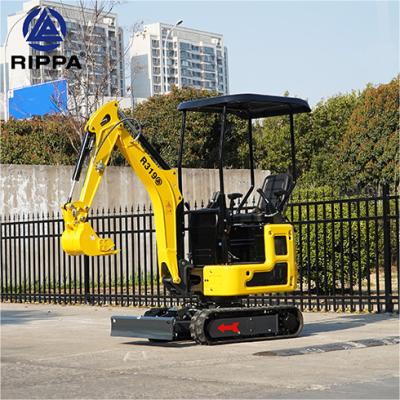
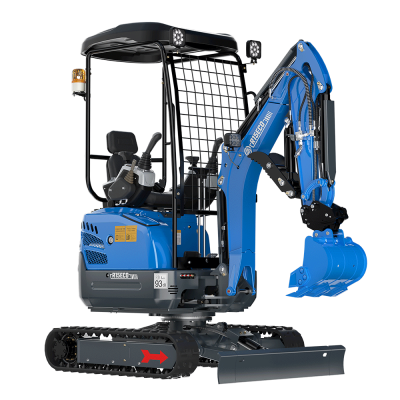
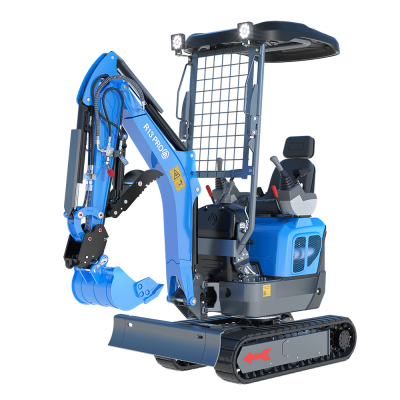
Your target jobs determine the excavator size, attachment needs, transport method, and operator experience required. Mini excavators are often suitable for restricted-access projects where larger equipment would be difficult to transport or operate.
Before quoting work, inspect access width, ground conditions, underground services, disposal requirements, working space, and restoration expectations.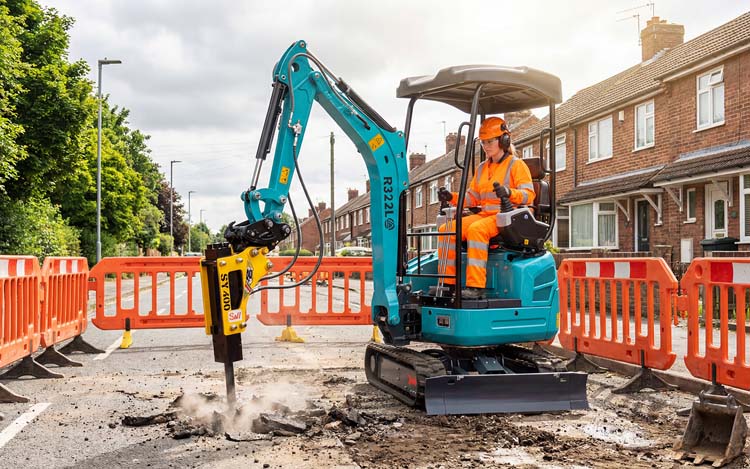
Build an Equipment Plan
Many new excavation businesses begin with a mini excavator, suitable trailer or transport arrangement, and a small group of frequently used attachments. A skid steer or compact loader may become valuable when projects require regular material movement and site cleanup.
Machine selection should consider:
The type and frequency of planned jobs
Stability and access requirements
Attachment compatibility
Local service and parts availability
Transport limitations
Expected utilization and operating cost
Avoid purchasing a machine simply because it has the lowest advertised price. Downtime, difficult maintenance, or unsuitable attachments can reduce profitability quickly.
Calculate Your True Job Cost
A quotation should cover more than operator time. Include equipment payments or depreciation, fuel, transport, labor, maintenance, insurance, permits, attachments, disposal fees, administrative time, and a reserve for unexpected site conditions.
Establish a minimum charge for small projects because loading, travel, unloading, and cleanup still consume working hours. Written quotations should define the work scope, exclusions, payment schedule, and responsibility for locating underground utilities.
Meet Local Business and Safety Requirements
Registration, licensing, insurance, transport rules, excavation permits, and operator requirements vary by location. Verify them with the appropriate local authorities before beginning work.
Create operating procedures for site inspections, machine checks, exclusion zones, trench safety, underground-service identification, and incident reporting. Manufacturer manuals and attachment instructions should guide machine operation and maintenance.
Find Your First Excavation Customers
Build relationships with landscapers, builders, plumbers, electricians, property managers, farms, and utility contractors. A professional website, local search presence, completed-project photos, clear quotations, and fast responses can help a new company earn trust.
Start with projects that match your equipment and experience. Consistently completing smaller jobs on time can generate reviews, referrals, and repeat work.
When evaluating equipment from RIPPA or another supplier, compare job suitability, support, attachments, parts, warranty procedures, and destination-market requirements. The best machine is the one that can complete profitable local work with manageable ownership risk.