How to Operate a Rippa Mini Excavator Safely and Efficiently
How to Operate a Rippa Mini Excavator Safely and Efficiently
2026/08/28 17:26
Safe and efficient operation of a Rippa mini excavator begins before the engine starts. The operator should be trained, familiar with the exact model’s manual, and aware of surrounding workers, underground utilities, slopes, soil conditions, and overhead hazards.
Good operating habits protect people and equipment while reducing unnecessary movement, fuel consumption, downtime, and component wear.
Inspect the Machine and Work Area
Complete a walk-around inspection at the beginning of every shift. Check for:
Hydraulic or fuel leaks
Damaged hoses
Loose components
Worn or damaged tracks
Attachment-pin problems
Debris around hot or moving parts
Incorrect fluid levels
Damaged safety devices
Do not operate a machine with a known problem that could affect control, visibility, or stability.
The work area must also be inspected before digging. Underground electrical cables, gas lines, water pipes, unstable trench edges, and overhead power lines require proper identification and control.
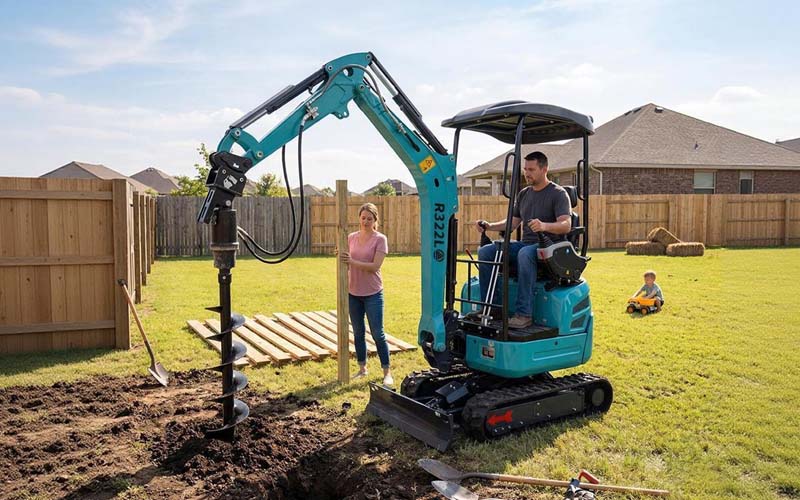
Create an exclusion zone and keep bystanders outside the machine’s swing and attachment areas. Use a trained spotter when visibility is restricted.
Enter and Position the Machine Correctly
Use designated steps and handholds while maintaining three points of contact. Adjust the seat and mirrors, fasten the seat belt where fitted, confirm that the controls are neutral, and follow the model-specific starting procedure.
Test the controls at low speed in a clear area, especially when using an unfamiliar machine or control pattern.
Position the undercarriage on firm, reasonably level ground whenever possible. Maintain a safe distance from trenches, embankments, and soft edges. The blade may help support the machine when used correctly, but it cannot compensate for unstable ground.
When traveling, move slowly and keep the attachment low enough to support stability while maintaining suitable ground clearance.
Plan Smooth Working Cycles
Efficient operators plan the digging direction, spoil location, and excavator position before starting. Work within a comfortable range instead of repeatedly extending the attachment to the edge of the working envelope.
Smooth joystick inputs reduce shock loads, improve accuracy, and limit unnecessary wear. Avoid sudden swinging, abrupt braking, and striking the bucket against the ground to remove material.
Use only attachments approved for the selected Rippa mini excavator. Confirm coupler engagement and locking pins before work. Never allow anyone to stand beneath a raised attachment or suspended load.
Shut Down and Maintain the Excavator
Park on firm, level ground and lower the bucket and blade completely. Place the controls in the safe position and follow the recommended cooling and shutdown procedure.
Remove the key and secure the machine against unauthorized operation. Record faults and complete cleaning, greasing, inspection, and scheduled maintenance according to the operator’s manual.
Operating a Rippa mini excavator safely and efficiently requires a consistent routine. Follow the exact manual and local regulations, maintain clear communication, and stop work whenever site conditions change or safe control becomes uncertain.