Benefits of Using a Rippa Mini Excavator for Small Construction Projects
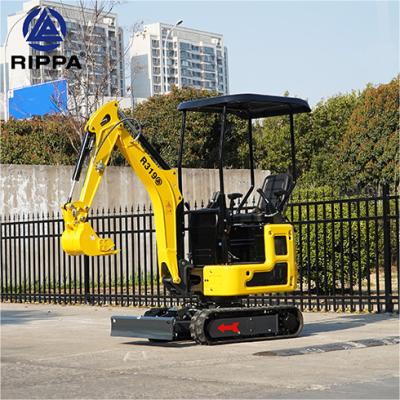
A Rippa mini excavator can help small construction teams complete excavation, trenching, grading, and material-handling jobs with less space and manual labor. It is especially useful for residential construction, landscaping, utility installation, renovation, and agricultural projects where a full-size excavator may be unnecessary.
Its strongest advantage is not simply compact size, but the ability to complete several types of work with one machine.
Better Access to Confined Job Sites
Small construction projects frequently involve narrow gates, driveways, walls, trees, existing buildings, or underground utilities. A compact excavator can operate closer to these obstacles and generally requires less working space than larger earthmoving equipment.
Because the upper structure can rotate between the excavation and unloading areas, the operator can work within a relatively limited zone. This is valuable when digging drainage trenches, preparing foundation extensions, or creating garden features.
The tracked undercarriage also helps the machine travel across soil, gravel, and uneven surfaces. However, ground-protection mats may still be necessary when working on lawns, finished paving, or other sensitive surfaces.
Actual machine width, tail-swing clearance, and access requirements should be confirmed for the selected model.
Reduced Manual Labor
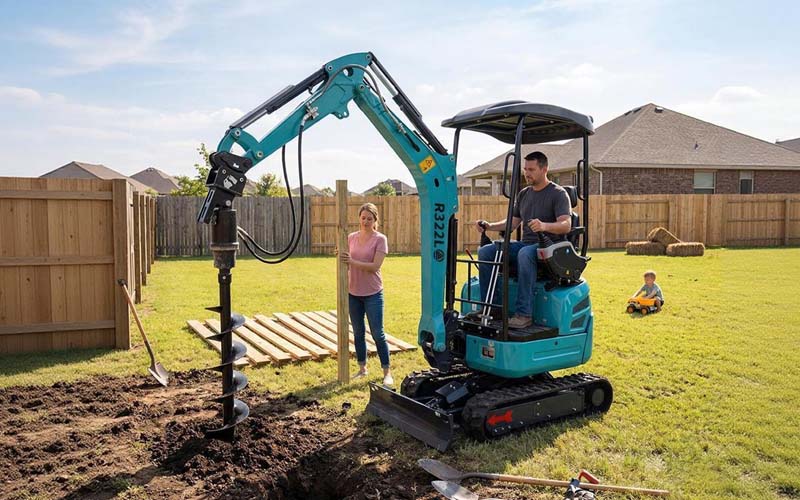
Manual excavation is slow, physically demanding, and difficult to scale. A Rippa mini excavator allows a trained operator to complete tasks that could otherwise require several workers and different hand tools.
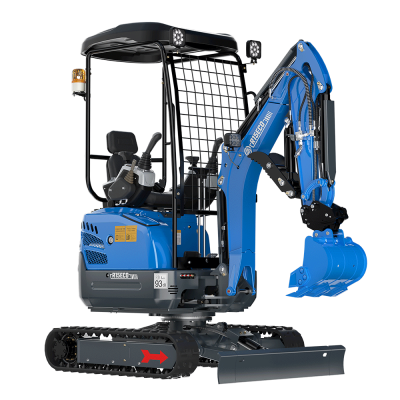
The front blade can help with backfilling, light grading, and job-site cleanup. This may reduce the need to transport a second machine for basic finishing work.
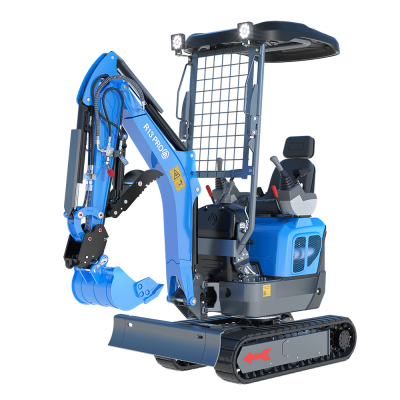
Compatible attachments can further expand its applications. In addition to digging buckets, buyers may consider approved tools for breaking, drilling, grabbing, grading, or material handling.
Before ordering an attachment, confirm:
Hydraulic flow and pressure requirements
Attachment weight
Pin or coupler dimensions
Auxiliary hydraulic connections
Machine lifting and stability limits
Using an unsuitable attachment can reduce performance, accelerate wear, or create a safety hazard.
Practical Operating Economics
For small contractors, equipment profitability depends on productive hours, transportation costs, fuel consumption, labor requirements, maintenance, and downtime. A correctly sized mini excavator may be easier to transport and mobilize between short-duration projects than a larger machine.
Ownership may also reduce dependence on rented equipment when excavation is a frequent part of the company’s workload. Nevertheless, buyers should compare expected utilization with rental costs before purchasing.
The lowest initial price does not always produce the lowest total operating cost. Service accessibility, spare-parts lead time, wear components, warranty coverage, and supplier support can significantly affect long-term value.
The benefits of a Rippa mini excavator are greatest when the machine matches the site, workload, and service plan. Buyers should provide the supplier with the intended application, soil conditions, access restrictions, required attachments, transportation method, and destination country before requesting a recommendation.